Selective Palate Syndrome: The Art of Manipulation
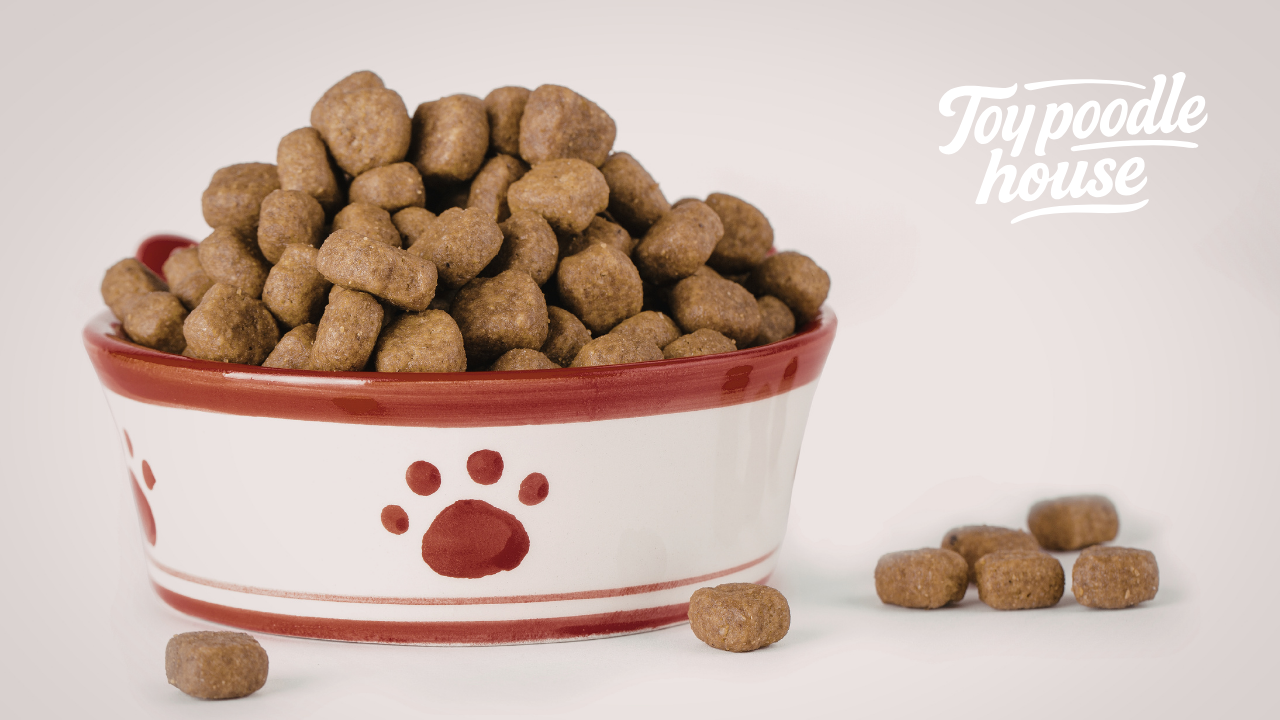
Poodles are one of the dog breeds with the highest IQ levels. This intelligence isn’t just for learning commands; it’s also used to discover their owner’s weaknesses. If you immediately give your Poodle boiled chicken, cheese, or a piece of your own dinner when they refuse their kibble, you are teaching them a very dangerous lesson: “If I don’t eat these dry brown bits, something much tastier is coming.”
Over time, this develops into “Selective Palate Syndrome.” The dog refuses to eat even when they are hungry because they know better food is on the horizon. Poodles can go so far as to stay hungry for days (until they vomit yellow bile) just waiting for you to give in. This is a battle of wills, and usually, the one who wins is your dog with those “sad puppy eyes.” However, breaking this cycle is essential for healthy development.
Underlying Medical Causes: When Should You Be Concerned?
Not every instance of loss of appetite is just “pickiness.” If your dog has suddenly stopped eating, you must check for physical problems before assuming it is a behavioral issue.
Dental and Gum Problems
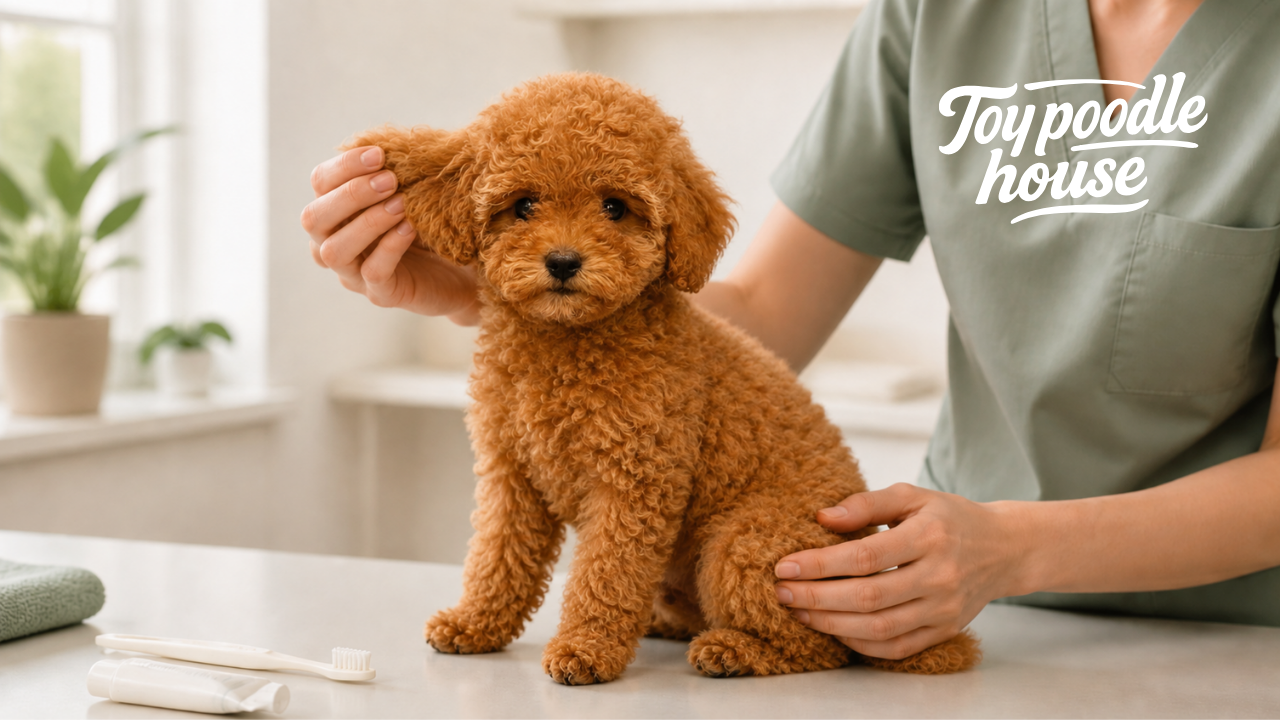
Poodles are highly prone to tartar and plaque buildup. If your dog has red gums, bad breath, or loose teeth, chewing hard dry kibble might be causing them physical pain. They may want to eat but back away because of the discomfort.
Digestive Sensitivities
Gastritis, intestinal infections, or parasites can make your dog feel nauseous. If the loss of appetite is accompanied by vomiting, diarrhea, or extreme lethargy, this is not pickiness—it is a medical emergency.
Stress and Environmental Changes
Poodles are very sensitive to environmental shifts. A new baby in the house, another pet, or a move to a new home can completely shut down a Poodle’s appetite. During this period of “psychological anorexia,” it is important to provide a safe space rather than forcing them to eat.
How to Change Dog Food: The “Golden Transition” Rule
Sometimes the reason for the loss of appetite is simply that the food has gone stale or your dog has developed a sensitivity to an ingredient in that specific food (e.g., chicken protein). When you decide to switch brands, doing it all at once can paralyze your dog’s digestive system.
Here is the 7-Day Gradual Transition Table for Poodles:
| Day | Old Food Ratio | New Food Ratio | Why This Way? |
| Days 1-2 | 75% | 25% | To introduce the stomach to the new protein. |
| Days 3-4 | 50% | 50% | For the adaptation of intestinal flora. |
| Days 5-6 | 25% | 75% | To fully shift digestion to the new food. |
| Day 7 | 0% | 100% | Full transition to the new routine. |
Sudden food changes cause diarrhea, vomiting, and excessive gas. A Poodle experiencing this discomfort will code the new food as something “painful” and may refuse to eat the new food as well.
Healthy Appetite-Stimulating Supplements and Tips
If your dog is healthy but bored with their food, you can use natural methods to make their meal more attractive without compromising their health.
1. Bone Broth (Unsalted and Unseasoned)
The gelatinous consistency of homemade bone broth is highly enticing in terms of aroma. It also provides collagen for joint health. Pouring a bit over the kibble creates a flavor explosion and softens the texture.
2. Release the Aroma with Warm Water
A dog’s sense of smell is much stronger than their sense of taste. When you pour a small amount of warm water over dry kibble and wait for 2-3 minutes, the aromas inside the food are released into the air. This is a great appetite trigger for Poodles who “eat with their noses.”
3. Probiotic Source: Yogurt
Adding a spoonful of natural, homemade yogurt on top of the food regulates the intestines and changes the texture of the meal. However, ensure the yogurt is at room temperature.
4. Egg Yolk
Boiled egg yolk added to the food once or twice a week supports coat health with biotin and increases the nutritional density of the meal.
Behavioral Solutions: Establishing Mealtime Discipline
Do not let your Poodle manage you. Mealtime should be a routine, not a negotiation.
-
The 15-Minute Rule: Put the food down. If they don’t eat it within 15 minutes, remove the bowl and do not give them anything (including treats) until the next scheduled meal. Your dog must understand that if they don’t eat that meal, they will stay hungry.
-
End the “Open Buffet” System: Leaving the food bowl full all day (free-feeding) causes the aroma to dissipate and makes the food “worthless” in the dog’s eyes. Scheduled feedings are always more appetizing.
-
Exercise Priority: Feeding your dog immediately after a walk or an intense play session is when their metabolism is most active and their “prey-drive” to eat is triggered.
Proper Storage: No One Eats Stale Food
Sometimes the problem isn’t the brand of food, but how it is stored. Dry food oxidizes when it comes into contact with air, and the fats inside can turn rancid, making the taste bitter.
-
Keep the food in its original bag and seal it airtight after every use.
-
Large bags (12-15 kg) are not suitable for Toy Poodles because the food goes stale before it can be finished. 2-3 kg bags stay much fresher.
-
Metal or glass storage containers preserve smell and freshness better than plastic ones.
Frequently Asked Questions (FAQ)
1. My Poodle didn’t eat all day, their stomach is making noises, and they vomited yellow liquid. What should I do?
This is known as “hunger bile.” When the stomach stays empty for too long, acid builds up and causes vomiting. Instead of giving a heavy meal immediately, calm the stomach with a small amount of bone broth or a tiny portion of food. This is often a result of their pickiness; you must stay firm and continue the meal discipline.
2. Do treats ruin their appetite?
Absolutely. If you are giving too many treats during training or throughout the day, your Poodle won’t feel the need for their main meal. Treats should not exceed 10% of their daily caloric intake.
3. Is it okay to mix wet food with kibble?
If you plan to do this every day, it’s fine. However, if you only do it when they refuse to eat, your dog will learn to wait for wet food every time. If you do mix them, blend them thoroughly so they can’t just pick out the wet bits and leave the kibble.
4. Does appetite decrease in hot weather?
Yes, dogs expend less energy in the summer and tend to eat less to keep their body temperature balanced. Shifting meals to the early morning or cooler evening hours can help.
5. My Poodle only eats when I feed them by hand. Why?
This stems from over-dependence and the dog using the situation to get attention. To break this habit, put the food in the bowl, walk away, and allow them to eat on their own.
6. My teething puppy is refusing food. What should I do?
Between 4 and 6 months, their gums are very sore. During this time, softening the kibble with warm water or bone broth makes it easier to chew and will bring back their appetite.
7. Does appetite increase after neutering/spaying?
Generally, yes. Hormonal changes can slow down metabolism while increasing appetite. During this period, you should monitor portion control to avoid obesity rather than worrying about a lack of appetite.
Conclusion: Patience and Consistency Win
In Poodles, loss of appetite is 90% behavioral and 10% medical. Once your veterinarian confirms there are no health issues, the rest of the process depends entirely on your patience. Every time you give in to those sad Poodle eyes and add cheese or sausages to the bowl, you are taking a step back in their training.
A healthy Poodle will eventually eat the high-quality food in front of them. Ensure the food you offer is fresh, high-quality, and nutritious; leave the rest to their intelligent nature and survival instinct. As the Toy Poodle House family, we wish you a healthy and hearty life with your companion!