How to Identify an Original Poodle Puppy? The Golden Rules for Choosing Your Purebred Friend
Dear animal lovers and those looking to get a new furry friend, adopting a dog adds joy, excitement, and a completely different energy to your life. Especially if you have a soft spot for a breed known for its elegance, intelligence, and loving nature, like the Toy Poodle, you know how special this journey is. As Toy Poodle House, we want to guide you to make the right decision in this special adventure. Here is our comprehensive guide that explains all the key points on how to identify an “original” Poodle puppy.
When you add a new friend to your family, you may have many questions: “Is it really purebred?”, “Is it healthy?”, “Am I adopting from the right place?”. Each of these questions is extremely important and valid. Because unfortunately, it is possible to encounter unethical breeding methods, especially in popular breeds. Therefore, getting the right information and taking the most reliable steps is vital for both you and your future friend to have a happy start. Let’s take a closer look at the subtleties of identifying an original Poodle puppy together.
Finding a Reliable and Expert Breeder: The Beginning of Everything
The first and most important step you will take in your search for a Poodle puppy is to find a reliable source. This source does not just offer you a puppy, but also provides complete transparency about its lineage, health, and upbringing conditions. A reliable breeder sees their puppies not as a commercial commodity, but as family members raised with care.
So, how do you identify a reliable breeder?
- Transparency and Communication: A reliable breeder gives you the opportunity to ask any kind of question and answers sincerely. They allow you to meet the puppy’s parents and see the environment in which it was raised.
- Veterinary Records: They meticulously follow up on the puppies’ vaccinations and health checkups. They provide you with a health book containing these records. This is proof of the puppy’s health status.
- Pedigree Certificate: This is perhaps the most concrete and important proof of purebred status. A pedigree certificate with international validity (like FCI) shows the puppy’s family tree for generations.
These steps are critically important to guarantee that a puppy is healthy and purebred. Remember, a Poodle’s character, not just its physical appearance, should also conform to breed standards.
Physical Characteristics: Understanding a Poodle at a Glance
An original Poodle puppy carries the unique physical characteristics of its breed. When you look at them closely, you immediately notice this elegance and nobility.
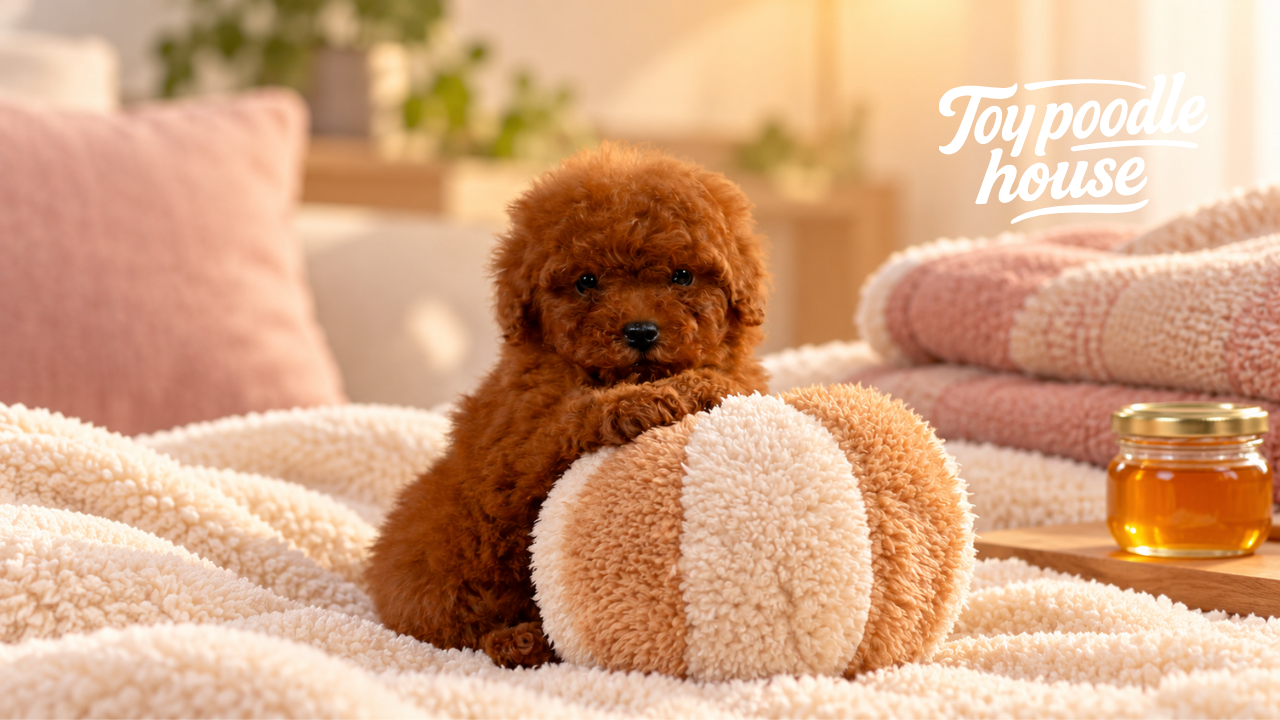
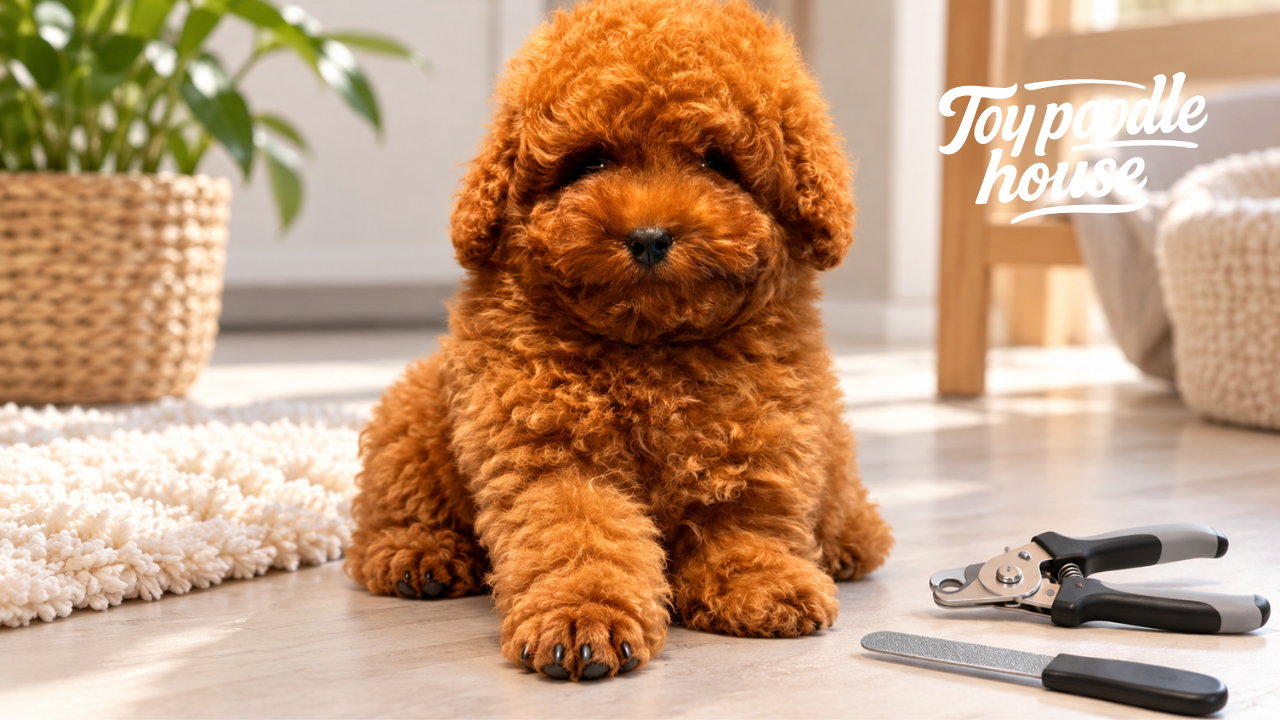
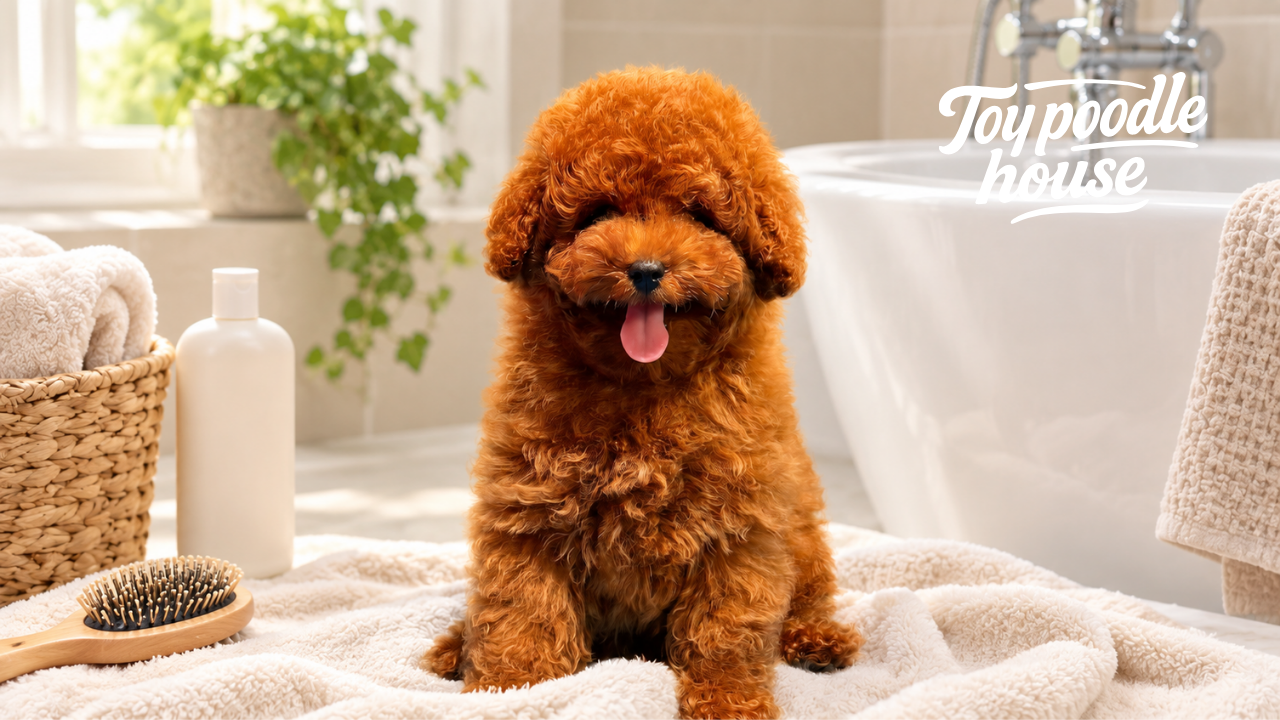
- Coat Structure: Poodles are known for their hypoallergenic and single-layer coat structure. The puppy’s coat should be dense, curly, and thick. The coat texture should not be coarse, harsh, or straight.
- Body Structure: Poodles have a square body form. This means that the height at the shoulder is almost equal to the body length. The legs should be straight and proportional to the body.
- Head and Facial Features: The head structure is elegant, slightly rounded, and proportional to the body. The eyes are dark, almond-shaped, and have a lively expression. The nose tip is black.
- Ears and Tail: The ears are long and hang down the sides of the head. The tail has an upright posture and is carried at the level of the back.
All these features indicate that a Poodle puppy conforms to breed standards. But remember, the most definitive proof is the pedigree certificate.
Character and Behavioral Traits: Smart and Cheerful Poodles
Poodles are known not only for their physical appearance but also for their intelligence and lively personality. It is possible to observe these traits even when they are puppies.
- Intelligence: Poodles are one of the most intelligent dog breeds in the world. A puppy that is curious about its surroundings, eager to learn, and quick to grasp things is a typical Poodle characteristic.
- Sociability: A healthy Poodle puppy is open to interacting with people and other animals. It does not exhibit shy, timid, or aggressive behaviors.
- Energy Level: Poodles are extremely energetic and playful. This indicates that they need to be kept active both physically and mentally.
More Than Just Appearance, Health Checks Are Paramount
When adopting a Poodle puppy, it is not enough to just focus on their loving gaze and soft fur. Another topic that is as important as their character and physical appearance is the health status of the puppy and its parents. The most distinctive feature of a reliable and ethical breeder is that they provide full transparency on health matters.
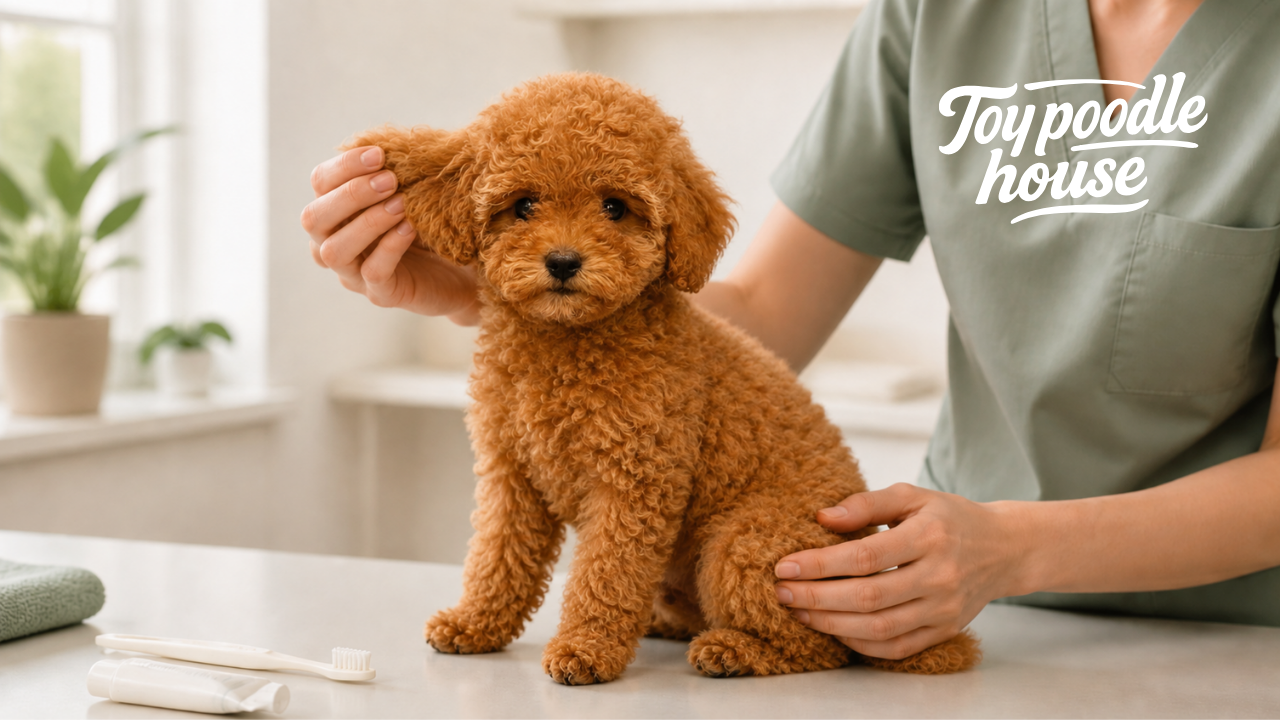
- Veterinary Checkups and Vaccinations: An original and healthy puppy undergoes regular vet checkups. These checkups are done to ensure that the puppy’s overall health is good. In addition, its age-appropriate vaccinations and internal-external parasite treatments should be completed. Your breeder should provide a health book or a veterinary certificate with records of these procedures. These documents give you critical information about the puppy’s initial care.
- Genetic Disease Tests: There can be certain genetic diseases specific to the Poodle breed. A good breeder will have the puppies’ parents tested for these potential problems. These include tests for hip dysplasia, progressive retinal atrophy (PRA), and Von Willebrand disease. These tests provide the greatest assurance for the puppy’s future health status and minimize potential health problems. Be sure to ask your breeder for information on this.
- The Importance of Socialization: Health is not just a physical matter, but also a mental one. The period between 8 and 12 weeks is the most ideal time for a puppy to be separated from its mother and siblings. During this process, the puppy learns basic social behaviors and dog language. Puppies given away earlier may experience behavioral problems later in life. A reliable breeder will not separate their puppies during this sensitive period and will ensure they are socialized correctly.
“The Broth of Cheap Meat”: The Relationship Between Price and Quality
In your search for a Poodle puppy, you may come across offers that are much lower than the market price. These attractive offers are often a trap. Remember, an original, healthy, and pedigreed puppy is the result of a process that requires effort, time, and cost.
- Hidden Costs: Puppies sold at a low price can often be those that have not had health checks, vaccinations, parasite treatments, and genetic tests. In this case, the money you “saved” in the short term may come back multiplied in the form of veterinary expenses in the long run.
- Unethical Breeding: Places offering very low prices can often be puppy mills or backyard breeders. In these places, puppies are bred for commercial purposes in unhealthy and unhygienic conditions and do not get proper socialization opportunities. This can lead to both physical and behavioral problems.
Remember, adopting a pet is a lifelong responsibility. A correct investment at the beginning ensures the future of both you and your friend.
Frequently Asked Questions (F.A.Q.)
In this part of the article, let’s give sincere and informative answers to the questions that people wanting to adopt a Poodle are most curious about.
Q: Do Poodles shed? Are they suitable for people with allergies? A: Poodles are considered hypoallergenic and do not shed seasonally like many other breeds. Dead hairs remain in the curly coat and are only removed with regular brushing. Thanks to this feature, they can be an ideal housemate for individuals with hair allergies. However, it is still not correct to say they are 100% hypoallergenic.
Q: How are the Toy, Miniature, and Standard Poodle sizes distinguished? A: These sizes are determined by the shoulder height in adulthood. A Toy Poodle is 24-28 cm, a Miniature Poodle is 28-35 cm, and a Standard Poodle is taller than 35 cm. It can be difficult to distinguish sizes when they are puppies, so the best indicator is to look at the parents’ sizes and the breed standard information on the pedigree certificate.
Q: Does their intelligence make training easier? A: Absolutely! Poodles are extremely intelligent and eager to learn dogs. This makes them very receptive to training. They can learn commands and even more complex tricks in a very short time with positive reinforcement (reward-based) techniques. However, this high intelligence can also cause them to get bored and be mischievous when they are not kept mentally engaged.
Q: When should I adopt a puppy? A: The ideal time for a puppy to be separated from its mother and siblings is between 8 and 12 weeks of age. This is a critical period for the puppy to develop healthily and learn social behaviors.