Do Poodles Shed a Lot? Great News for Those Looking for a Non-Shedding Dog!
Hello dear dog lovers and Poodle fans! While we’re excited about adding a new companion to our homes, one of the most important questions that comes to mind is often, “Do Poodles shed a lot?” This question is of vital importance, especially for those with allergies or those who are tired of dealing with pet hair in their homes. Here’s a huge piece of good news for you: No, Poodles hardly shed at all! This can be a real savior for anyone looking for a non-shedding dog. If you’re tired of constantly seeing hair on your sofas, carpets, and clothes, or if pet allergies are a barrier for you, Poodles might be just the companion you’ve dreamed of. So, how is it that these adorable friends shed so little compared to many other breeds? Let’s take a deep dive into the surprising secret behind Poodles’ shedding and discover what makes them so unique, step by step.
Why Don’t Poodles Shed? A Scientific and Detailed Look
Poodles are at the top of the list of dog breeds known worldwide as “hypoallergenic,” meaning they have a low potential to cause allergies. However, it’s important to understand what this term fully means and how Poodles fit into this category. The word “hypoallergenic” does not mean “completely allergy-free”; rather, it means they are “less likely” to trigger allergic reactions. So, how did Poodles acquire this characteristic that sets them apart from other breeds?
1. Unique Coat Structure: Similar to Human Hair and Single-Layered
The hair structure of Poodles is significantly different from most other dog breeds. Most dog breeds have a coat with a shedding cycle that sheds periodically. However, Poodles’ hair is structurally like human hair, with a continuous growth pattern and no distinct “shedding” cycle.
- Curly and Dense Structure: Poodles’ hair is dense, thick, and distinctly curly. This curly structure traps the small amount of hair that does shed within the coat. This means that instead of shedding all over your carpets or furniture, the shed hair gets caught in the dog’s own coat. Therefore, with regular brushing, this “trapped” hair can be easily removed, and the likelihood of seeing hair in your house is minimized.
- Single-Layered Coat: Many dog breeds (e.g., Golden Retrievers, German Shepherds) have a dense “undercoat” layer that causes so much shedding. The undercoat consists of short, soft hairs designed to insulate the dog and is shed heavily during seasonal changes. The coat structure of Poodles is single-layered; that is, they do not have an undercoat. This means one of the primary reasons for shedding is eliminated.
- Anagen, Catagen, and Telogen Phases: Dog hair, like human hair, has a growth cycle consisting of anagen (growth), catagen (transition), and telogen (resting) phases. The anagen phase (growth period) of Poodle hair is very long, meaning their hair grows continuously, and there is almost no distinct “telogen” (shedding) phase. This means they do not experience the mass shedding that occurs in other breeds.
2. The Allergy Mechanism and Poodles
Dog allergies are generally not a reaction to a dog’s hair but to dead skin cells (dander), saliva, and urine that shed from its body. These allergens can remain airborne and cause allergic reactions when inhaled.
- Minimal Dander: Since Poodles do not shed hair, the amount of dander shed from their skin is also less compared to other breeds. This is because dander attached to the hair spreads with the shedding hair. In Poodles, this spread is minimal.
- Saliva and Urine: Because Poodles still produce saliva and urine, the allergens within these secretions are not completely eliminated. However, the minimal shedding greatly reduces the spread of these allergens in the house. Therefore, it cannot be claimed that they are completely allergy-free, but the risk of an allergic reaction is significantly lower. If you are considering adopting a Poodle and have allergies, it is best to spend some time with a Poodle and observe how you react.
3. Shedding is Nearly Zero with Regular Grooming
No matter how advantageous your Poodle’s hair structure is, you cannot enjoy this benefit without regular grooming. Regular brushing ensures that the hair that has shed and become trapped in the coat is removed. This way, the likelihood of having a hair problem in your home is reduced to almost zero. The grooming ritual not only controls shedding but is also vital for your dog’s overall skin and coat health.
“So, Do They Shed at All?” A Realistic Perspective
No living creature sheds absolutely zero hair. Poodles, like other living beings, do shed, albeit very little. However, this shedding is “almost non-existent” when compared to the seasonal or constant shedding experienced by other dog breeds. When they are regularly brushed and groomed, you will not experience a noticeable hair problem in your home caused by a Poodle. This is a great source of relief, especially for individuals with asthma or allergies. The benefits of a clean house, no hair buildup on your furniture, and a reduced need for constant vacuuming are some of the biggest advantages of owning a Poodle.
How to Care for a Poodle’s Coat? A Detailed Guide
Even though Poodles don’t shed, they need special and regular grooming to have a healthy, shiny, and tangle-free coat. This grooming is essential not only for aesthetics but also for your dog’s skin health and general comfort.
1. Brushing and Combing 2-3 Times a Week (Daily is Ideal)
This is the cornerstone of Poodle care. The curly hair can easily mat and felt if not brushed regularly. Felted hair not only looks bad but can also lead to skin irritation, infections, and pain for your dog.
- Brush Selection: The most suitable brushes for Poodles are a slicker brush and a metal comb. The slicker brush is good for removing tangles and loose hair in the top layer of the coat. The metal comb is used to go deeper to find and untangle mats underneath.
- Correct Technique: When brushing, separate your dog’s hair into layers and brush all the way down to the skin level. The “line brushing” technique, where you lift the hair in sections and slowly brush, allows you to reach the skin. This guarantees that no area is skipped and all tangles are removed. Pay special attention to tangles in areas prone to friction, such as behind the ears, armpits, and inside the legs.
- Brushing Frequency: Daily brushing is recommended for puppies and young Poodles because their coats can be more delicate and tangle more easily. For adult Poodles, a thorough brushing at least 2-3 times a week will be sufficient. However, if you have an active dog or its hair is long, more frequent brushing may be necessary.
2. Professional Grooming
Since Poodles’ curly hair grows continuously, they need periodic professional clips or trims. This can be one of the most important and costly items in Poodle care, but it is indispensable for a healthy coat.
- Frequency: On average, it is recommended that Poodles be professionally groomed or trimmed every 4-6 weeks. This frequency can change depending on the length of the coat, your dog’s activity level, and your personal preferences.
- Grooming Styles (Poodle Clips): Poodles are characterized by different grooming styles. These styles are not just for aesthetics but are also important for the dog’s comfort and hygiene. Some popular styles include:
- Puppy Clip: A low-maintenance clip, typically used for puppies, where the hair is left at the same length all over the body.
- Lamb Clip: The body hair is left a bit longer, with light pom-poms on the legs and tail. It is a practical and cute style.
- Continental Clip: The iconic style for show Poodles, which is more extravagant, with the hair on the back and hips shaved, and pom-poms on the legs and a rosette on the tail.
- Modern Clip: A more natural and sporty look, usually with the hair at an even length all over the body, but a little longer on the legs and tail.
- Choosing a Groomer: It is important to choose an experienced groomer who is knowledgeable about grooming the Poodle breed. A groomer not only cuts your dog’s hair but also performs general hygiene care such as ear cleaning, nail trimming, and anal gland checks.
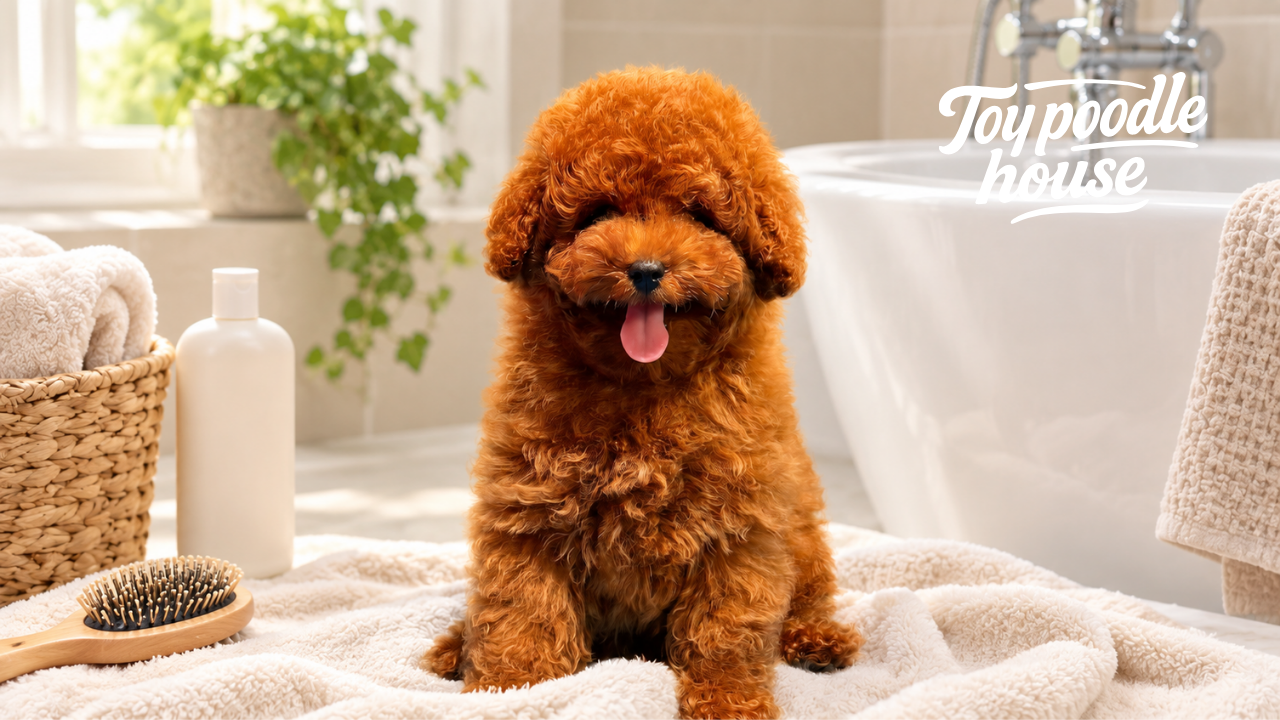
3. Using the Right Shampoo and Conditioner
Poodles’ hair can be sensitive and needs to be washed with the right products. Human shampoos are not suitable for a dog’s pH balance and can cause skin irritation or dryness.
- Product Selection: Choose shampoos specially formulated for dogs, with moisturizing properties and free of parabens and sulfates. Hypoallergenic or oatmeal-based shampoos may be suitable, especially for Poodles with sensitive skin or allergies.
- Bathing Frequency: A bath every 3-4 weeks is generally sufficient, depending on how dirty your dog’s coat gets. Bathing too often can disrupt the skin’s natural oil balance.
- Bathing Procedure: Brush the hair thoroughly before wetting it. Using a diluted shampoo makes it spread better. Make sure to rinse the hair thoroughly, as shampoo residue can lead to skin irritation. Using a quality dog conditioner after the bath helps keep the hair moisturized, makes it easier to brush, and prevents tangles.
4. Healthy Diet and Supplements
Nutrition is the foundation of a healthy coat. A dog that is not healthy on the inside cannot have a shiny and vibrant coat on the outside.
- Quality Food: Choosing a high-quality, balanced dog food is critically important for your Poodle’s coat health. Make sure that animal protein (chicken, fish, lamb) is listed as the first ingredient. Foods with grain fillers and low-quality ingredients can negatively affect coat quality.
- Omega-3 Fatty Acids: Omega-3 fatty acids like fish oil increase coat shine, prevent dry skin, and reduce inflammation. You can add Omega-3 supplements to their diet with your veterinarian’s recommendation.
- Biotin and Zinc: These vitamins and minerals are also important for hair health. They can be found in sufficient amounts in some quality foods, but supplements can be considered if there is a deficiency.
5. General Hygiene: Ear, Eye, Teeth, and Nail Care
Although not directly related to coat care, general hygiene routines are very important for your dog’s health and comfort and are usually performed together with coat care.
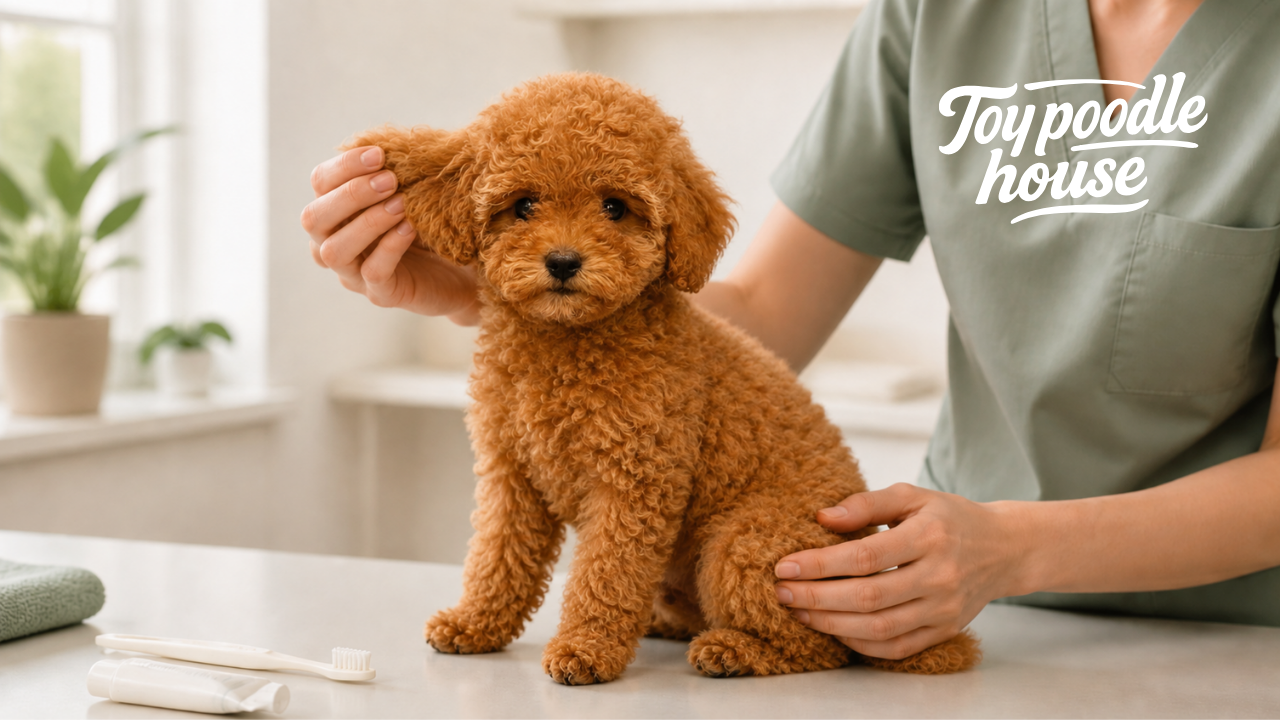
- Ear Cleaning: Poodles are prone to ear infections because of their floppy ears and the hair that grows in their ear canals. It is important to regularly clean the hair inside the ears or have it plucked by a groomer, and to clean the ears with a veterinarian-approved cleaner.
- Eye Area Cleaning: Eye discharge can be common, especially in Toy and Miniature Poodles. Wiping this discharge regularly with a damp cloth prevents staining and skin irritation.
- Dental Care: Regular dental care with brushing, chew toys, and dental chews protects oral health and prevents bad breath.
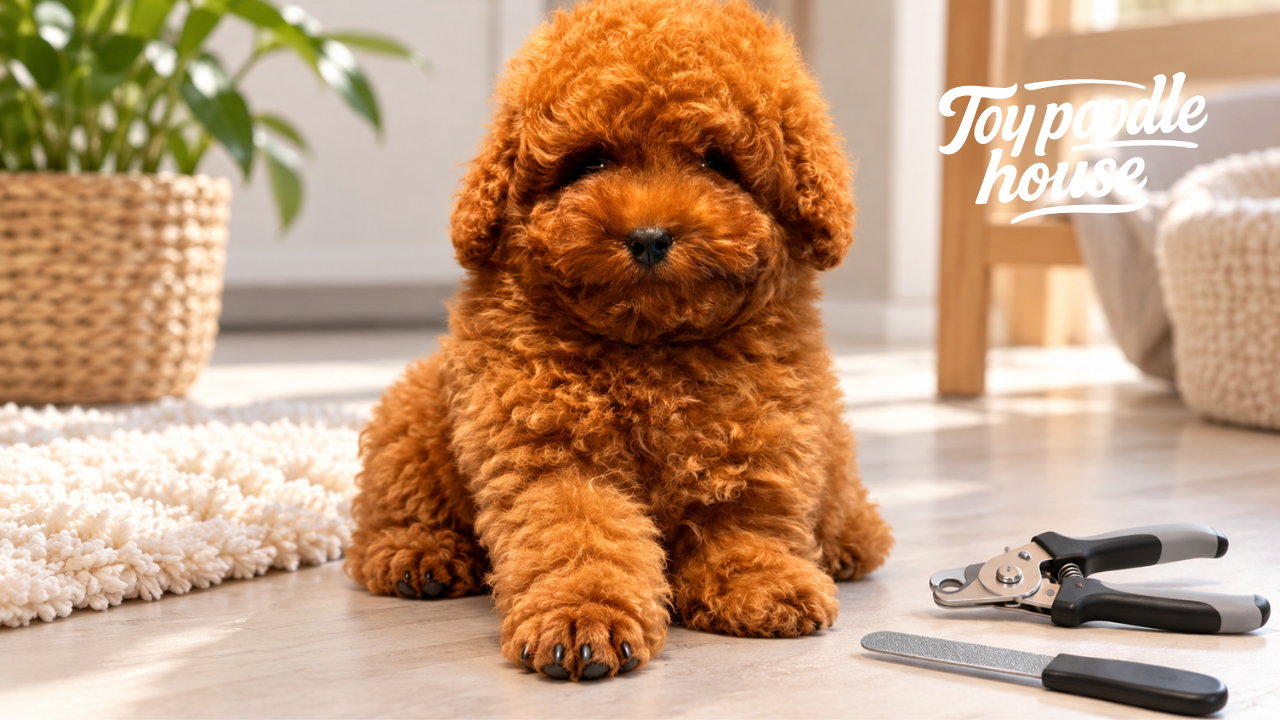
- Nail Trimming: Overly long nails can lead to difficulty walking, pain, and even paw deformities. Nails need to be trimmed regularly (usually once a month).
5 Great Reasons to Adopt a Poodle (and More!)
Poodles stand out not only for their non-shedding feature but also for their wonderful temperament and high intelligence. Here are many great reasons to add one of these adorable companions to your family:
1. Ideal for Allergy Sufferers
As we mentioned before, Poodles are a great option for individuals with allergies due to their hypoallergenic nature. Since they spread far fewer allergens compared to other breeds, they minimize the symptoms for people with pet allergies. This allows many families to fulfill their dream of owning a dog.
2. Cleanliness and Order in the Home
Their non-shedding trait provides great convenience for the cleanliness of your home. You won’t have to constantly pick up hair, and you won’t see hair piles on your furniture, clothes, and floors. This is a significant advantage, especially for meticulous homeowners or families with small children. Less hair in the house also creates a healthier living environment by lowering allergen levels.
3. Smart, Trainable, and Social Companions
Poodles are considered one of the most intelligent of all dog breeds. They quickly learn new commands, have advanced problem-solving skills, and love to interact with their owners. This high intelligence makes their training extremely enjoyable and productive.
- Easy to Train: Poodles are very successful with house training, basic obedience commands (sit, stay, come), and even advanced tricks or dog sports (agility, obedience, rally). With consistent and positive reinforcement training, you can work wonders in a short time.
- Social and Adaptable: Poodles are extremely social dogs and form deep bonds with family members. They don’t like to be left alone much and love attention. They get along well with other pets and children, which makes them an excellent choice for large families. They are also generally gentle and friendly with strangers.
4. Different Size Options: A Poodle for Every Living Space
The Poodle breed is divided into three by size: Toy Poodle, Miniature Poodle, and Standard Poodle. This variety allows you to choose the size of Poodle that best suits your lifestyle and space.
- Toy Poodle: The smallest size of Poodle. They are generally 10 inches and under in height and weigh 4-9 pounds. They are ideal for apartment living and small homes. They have high energy, but their exercise needs are more easily met due to their small size. They love being lap dogs.
- Miniature Poodle: A size between the Toy and Standard Poodle. They are about 10-15 inches tall and weigh 10-15 pounds. They are suitable for both apartments and houses with yards. They may need a little more exercise than Toy Poodles.
- Standard Poodle: The largest of the Poodles. They can be over 15 inches tall and weigh 45-70 pounds. They prefer living in large spaces and need more exercise. Their intelligence and calm temperament make them wonderful family dogs and even therapy dogs. All sizes of Poodles have the same unique coat and similar temperament traits; only their size and their corresponding exercise needs differ slightly.
5. An Affectionate, Playful, and Sensitive Friend
Poodles are extremely affectionate, loyal, and devoted to their owners. They love being a part of their family and spending quality time with them. They love to play and with their energetic nature can always find something to make you laugh. They are also sensitive dogs; they easily sense their owners’ emotional states and can offer a supportive presence. These qualities make them both a cheerful playmate and a sensitive friend to have by your side during difficult times.
6. Long-Lived and Generally Healthy Breed
When well cared for, Poodles can have a long lifespan. Toy Poodles can live an average of 12-15 years, Miniature Poodles 12-15 years, and Standard Poodles 10-12 years. Although they may be genetically prone to some health problems (like hip dysplasia, eye diseases), they can live a long and happy life with regular vet checkups and by getting a healthy puppy from a responsible breeder.
7. Adaptability
Poodles are dogs that can easily adapt to different lifestyles and environments. Whether you live in a small apartment in the city or a large house in the countryside; whether you have an active lifestyle or a calmer one, Poodles can live in harmony with you. The important thing is that their basic needs (exercise, mental stimulation, love, and care) are met.
Frequently Asked Questions (F.A.Q.) – Things to Know About Poodles
- Do Poodles really not shed at all? They shed almost never! The Poodle’s coat structure, similar to human hair, grows continuously and has no distinct shedding cycle. The small amount of hair that does shed gets trapped in their curly coat and is easily removed with regular brushing. Therefore, you won’t experience a noticeable hair problem in your home caused by a Poodle.
- Which type of Poodle sheds the least? All Poodle varieties (Toy, Miniature, Standard) have the same unique coat structure. Regardless of size, shedding is very minimal, and they are all hypoallergenic. Your choice should depend on your living space, energy level, and personal preferences.
- Does Poodle hair cause allergies? Poodles are known as “hypoallergenic,” meaning their likelihood of causing allergies is very low compared to other breeds. This is because they shed very little hair and, as a result, the amount of dander spread into the air is small. However, no dog is completely allergy-free because allergens can also be found in saliva and urine. If you have allergies, it is recommended to spend some time with a Poodle to observe your reaction.
- Why does my Poodle’s hair mat? Because Poodle hair is curly and dense, it can easily get tangled and mat if not brushed regularly. Matting increases, especially when exposed to moisture or friction (like from a collar or harness). Regular and thorough brushing at least 2-3 times a week (daily is ideal) is the most effective way to prevent matting. Professional grooming will also be very helpful in this regard.
- Is Poodle grooming expensive? Poodle grooming may require more time and potentially more cost than many other breeds. Regular professional clips (every 4-6 weeks) can be a significant expense. However, you can optimize these costs with regular at-home brushing, bathing, and using appropriate products. In the long run, the benefits of not having a shedding problem and the ease of home cleaning can balance out these expenses.
- Do Poodle puppies shed? Poodle puppies, like adult Poodles, shed very little hair. Since their coat structure is still developing during puppyhood, they may experience a slight shedding phase sometimes referred to as “shedding the puppy coat,” but this is not as heavy as in other breeds and can be easily managed with regular brushing. It is important to get them accustomed to grooming at an early age.
- Can I groom my Poodle myself? It is possible to groom a Poodle at home, but you need to have special equipment (quality dog clippers, scissors) and master the correct techniques to achieve a professional result and not harm your dog’s skin. If you are trying it for the first time, it is highly recommended to take a lesson from or at least watch a professional groomer. Incorrect cuts can damage your dog’s skin or prevent the hair from growing back healthy.
- How much exercise do Poodles need? Poodles have different exercise needs based on their size. Toy Poodles can be content with daily short walks and play, while Miniature Poodles prefer to be a little more active. Standard Poodles, being energetic and athletic, need long daily walks, runs, or mental stimulation. All Poodles enjoy being mentally stimulated with puzzle games and training sessions. Sufficient exercise ensures they are happy and balanced.
- What are common skin/coat conditions seen in Poodles? While Poodles generally have a healthy coat, they can be prone to some skin and coat conditions:
- Seborrhea: Characterized by excessive oiliness or dryness and flaking of the skin. It can be managed with special shampoos and dietary supplements.
- Sebaceous Adenitis: Inflammation of the oil glands that can lead to hair loss, dry skin, and scaling. There may be a genetic predisposition.
- Allergies: Environmental allergies (pollen, dust mites) or food allergies can cause itchy skin, redness, and hair loss.
- Ear Infections: Due to their floppy ears and the hair in their ear canals, they are prone to moisture and bacterial buildup. Regular cleaning is important. If you notice any of these issues, you should definitely consult your veterinarian.
Poodle: The Perfect Non-Shedding Friend! Add Joy to Your Life!
If you are looking for a clean house, a hair-free living space, and at the same time a smart, affectionate, playful, and adaptable companion, a Poodle is perfect for you! Their hypoallergenic nature opens the doors wide for people with allergies, while their low shedding rate offers great convenience for home cleaning. Moreover, thanks to their different size options, it is possible to find a Poodle that fits every lifestyle and family structure. Poodles are truly unique dogs that offer unlimited love, fun, and loyalty to their owners. While their care requires a little effort, the unconditional love and joy they give you in return are more than worth every bit of effort you put in. As Toy Poodle House, we take great care in breeding healthy, genuine, and premium-quality Toy Poodle puppies. Our puppies are raised in a loving environment, have regular health checks, and can’t wait to meet their new families. If you also want to add one of these affectionate, smart, and non-shedding friends to your family and add a fluffy source of joy to your life, don’t hesitate to contact us! As the Toy Poodle House family, we would be happy to help you find the perfect little friend for you. Remember, a Poodle is not just a pet; it is a family member who will become a part of your life and have a special place in your heart.