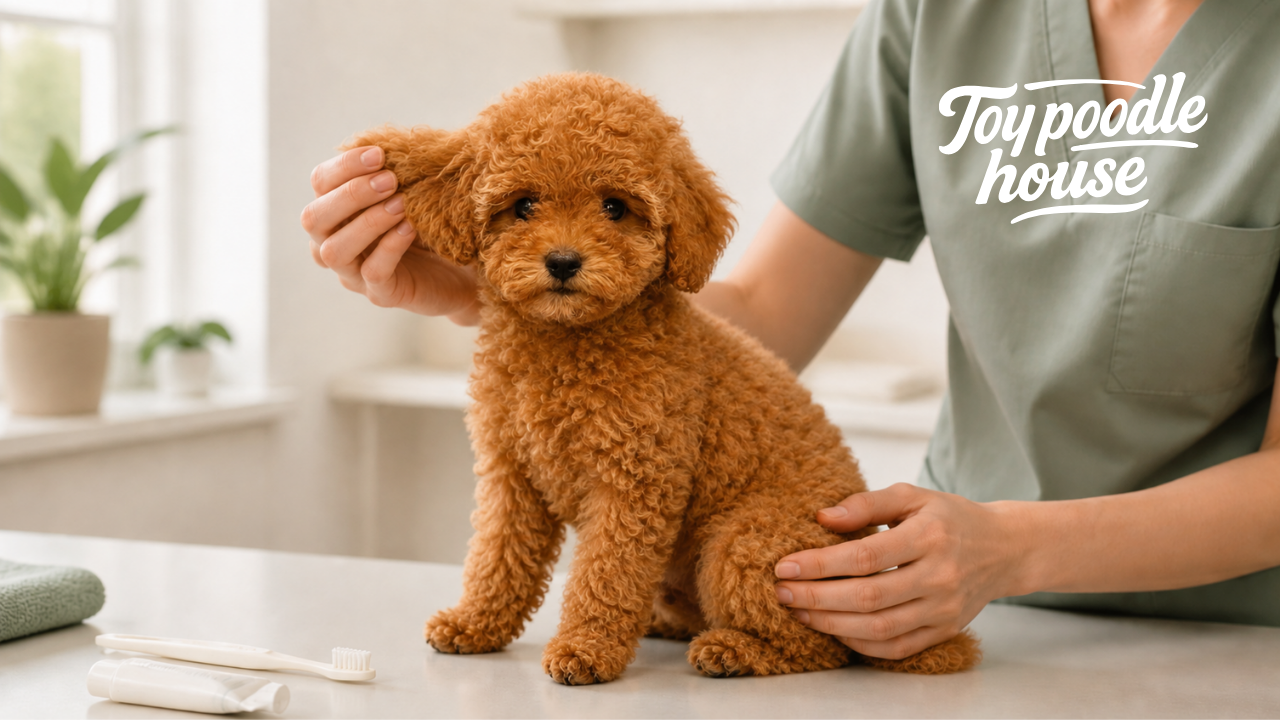
Your Poodle’s Immunity Shield: The Vital Role of Vaccines
Like every living being, Poodles have a defense system against external threats: the immune system. However, this system is not yet fully developed, especially during puppyhood. This is where vaccines come in. Vaccines “introduce” your dog’s immune system to dangerous viruses and bacteria it might encounter, allowing it to develop a pre-emptive defense mechanism. It’s like a training session that teaches your dog’s body “how to fight.” Thanks to vaccines, which contain weakened or inactivated forms of disease agents, the body quickly produces antibodies when it encounters the real disease, preventing the illness from worsening or stopping it entirely. Remember, vaccines are a matter of public health that protect not only your dog’s health but also your own and the health of other animals around you. Some diseases, like rabies, can be transmitted to humans and lead to fatal outcomes; therefore, vaccines are a social responsibility.
Vaccination Schedule for Puppy Poodles: The Key to a Healthy Start
Although puppy Poodles have short-term protection from the antibodies they get from their mothers, this “passive immunity” decreases over time. During this critical period, it is essential to follow a scientifically-based vaccination schedule to protect your puppies from diseases. Every puppy can be different; therefore, it is best to create a personalized schedule with the guidance of your veterinarian. However, the general standard vaccination schedule for puppy Poodles is as follows:
6-8 Week Period: The First Steps and Basic Protection
- Internal and External Parasite Treatments: It is very important to deworm the puppy before vaccination. Parasites can weaken the immune system and reduce the effectiveness of vaccines. Your veterinarian will administer internal and external parasite treatments during this period. These treatments are vital not only for vaccine effectiveness but also for general health.
- Puppy DP (Combined Vaccine for Distemper and Parvoviral Enteritis): Some veterinarians may prefer this vaccine to provide a quick start to protection against Distemper and Parvovirus in young Poodles. This is especially important for puppies living in high-risk environments or those who have not received enough antibodies from their mothers.
- Combined Vaccine (DHPP/DHPPI) – 1st Dose: This is your puppy Poodle’s first big step. This vaccine provides protection against multiple diseases:
- Distemper: One of the most fatal viral diseases for dogs. It affects the respiratory, digestive, and nervous systems. It can be deadly for puppy Poodles. Symptoms include fever, loss of appetite, nasal and eye discharge, coughing, vomiting, diarrhea, and in advanced cases, neurological symptoms (tremors, seizures). Vaccination is the only way to protect against this terrible disease.
- Hepatitis (Infectious Canine Hepatitis – Canine Adenovirus-2): A serious viral infection that affects the liver. Symptoms include fever, loss of appetite, vomiting, diarrhea, abdominal pain, and eye inflammation. The vaccine provides both protection against the disease and cross-protection against one of the agents of infectious tracheobronchitis, also known as “kennel cough.”
- Parvovirus: An extremely contagious viral disease that can progress rapidly and be fatal, especially in puppies. Severe vomiting, bloody diarrhea, loss of appetite, and sudden weight loss are the most prominent symptoms. It can rapidly worsen due to dehydration and secondary infections. The vaccine is the most effective method of protection against Parvovirus.
- Parainfluenza: One of the viruses that causes canine influenza or the kennel cough syndrome. It generally affects the upper respiratory tract, with symptoms like coughing, nasal discharge, and mild fever. It can worsen when combined with other respiratory infections. The vaccine is important in reducing the spread and severity of this disease.
10-12 Week Period: Strengthening the Shield
- Combined Vaccine (DHPP/DHPPI) – 2nd Dose: The booster dose of the first combined vaccine is vital to increase the longevity of immunity. This dose ensures the body produces stronger and longer-lasting antibodies.
- Bordetella (Kennel Cough) Vaccine – 1st Dose: This is highly recommended, especially for Poodles who frequently have contact with other dogs (dog parks, boarding facilities, training classes). It is a contagious respiratory disease caused by the bacterium Bordetella bronchiseptica and viruses like Parainfluenza. Symptoms include a severe, dry cough, gagging, nasal discharge, and sometimes a mild fever. It can be administered intranasally (into the nose) or by injection. Nasal vaccines generally provide faster immunity.
- Leptospirosis Vaccine (If Regional Risk Exists) – 1st Dose: Leptospirosis is a serious bacterial disease caused by the Leptospira bacterium, which is transmitted through water or soil contaminated with the urine of infected animals. It can lead to kidney and liver failure in dogs. It is also a zoonotic disease that can be transmitted to humans. If you live in an area with a high population of rodents like mice and rats, have access to stagnant water like lakes or rivers, or your dog spends time in rural areas, this vaccine is strongly recommended.
14-16 Week Period: Final Protection and Legal Requirements
- Combined Vaccine (DHPP/DHPPI) – 3rd Dose (Booster): The final dose of the puppy combined vaccine series is a finishing touch to create the strongest and most lasting immunity. Full protection cannot be achieved without this dose.
- Rabies Vaccine: This vaccine is a legal requirement in many countries and regions. Rabies is a zoonotic (transmissible from animal to human) disease caused by the Rabies virus that affects the nervous system and is fatal. The virus is usually transmitted through the bite of an infected animal. The vaccine protects not only your dog’s life but also your health and the health of the community. It can generally be administered from 3 months of age and is given in a single dose.
Additional Vaccines and Special Conditions:
- Coronavirus Vaccine: Canine Coronavirus (CCoV) is a digestive system virus that causes vomiting, diarrhea, and loss of appetite, especially in puppies. It is generally not as fatal as Parvovirus, but it can worsen the condition when seen together. It can be administered based on prevalence and your veterinarian’s recommendation.
- Lyme Disease Vaccine: Provides protection against Lyme disease, which is caused by the bacterium Borrelia burgdorferi transmitted by ticks. It can be considered for Poodles who live in areas with a high tick population or who spend a lot of time in wooded or bushy areas. It manifests with symptoms like lameness, joint pain, fever, and swollen lymph nodes.
Vaccination Schedule for Adult Poodles: The Importance of Continuous Protection
Although adult Poodles have gained strong immunity from their puppyhood vaccinations, this protection does not last a lifetime. The effectiveness of vaccines decreases over time, and “booster” doses must be administered at certain intervals. This ensures your Poodle remains resistant to diseases throughout its life.
Vaccines Requiring Annual Repetition:
- Combined Vaccine (DHPP/DHPPI) – Annual Booster: It is generally recommended to be administered annually. Some vaccine manufacturers and veterinarians may recommend repetition every 3 years depending on the type of vaccine, but the generally accepted practice is annual repetition. Your veterinarian will determine the most suitable annual vaccination program for your Poodle by evaluating its lifestyle and environmental risk factors.
- Bordetella (Kennel Cough) Vaccine: Annual repetition is essential, especially for Poodles who go to daycares, socialize in dog parks, stay at boarding facilities, or participate in dog shows. Since it can easily be transmitted through the air and direct contact, protecting social Poodles with this vaccine is of great importance.
- Leptospirosis Vaccine: This is a vaccine that needs to be repeated annually for Poodles living in at-risk areas. Vaccines that provide protection against different serovars of the bacterium are available, and the choice should be made based on the common strains in your region.
- Coronavirus Vaccine: If it was administered during puppyhood or is common in your area, it can be repeated annually with your veterinarian’s recommendation.
- Lyme Disease Vaccine: It is recommended to be repeated annually in areas with a high tick risk.
Vaccines Requiring Repetition Every 3 Years:
- Rabies Vaccine: Although it is legally required to be administered annually in our country, in some countries or for specific types of vaccines, repetition every 3 years may be considered sufficient. However, according to the current laws in Turkey, the Rabies Vaccine must be administered annually, and following this rule is critically important for both your dog’s health and your legal obligations.
Diseases Protected by Vaccines: A Deeper Look
To better understand why your Poodle needs to be vaccinated, let’s take a closer look at the diseases these vaccines protect against:
Combined Vaccine (DHPP/DHPPI)
- Distemper (Canine Distemper): Also known as the dog measles virus. This extremely contagious and potentially fatal virus affects the respiratory, digestive, and nervous systems simultaneously. It starts with symptoms like high fever, loss of appetite, nasal and eye discharge, coughing, vomiting, and diarrhea. As the disease progresses, neurological symptoms like muscle twitching, seizures, and paralysis appear. Treatment is difficult and costly, often without success. Vaccination is the only and most effective way to protect against Distemper.
- Hepatitis (Canine Adenovirus-1 and -2): While Canine Adenovirus-1 (CAV-1) causes infectious canine hepatitis, Canine Adenovirus-2 (CAV-2) causes respiratory tract infections and is one of the agents of kennel cough. The combined vaccine usually provides protection against CAV-2, which also creates cross-immunity against CAV-1. Symptoms include fever, lethargy, vomiting, diarrhea, abdominal pain, and sometimes cloudiness in the eyes, known as “blue eye.”
- Parvovirus (Bloody Diarrhea): Canine Parvovirus (CPV) is an extremely contagious virus that attacks the intestines, especially in young dogs, causing severe vomiting and bloody diarrhea. It leads to very rapid dehydration and electrolyte imbalances. The mortality rate is very high because puppies’ immune systems are still weak. It can survive for a long time in the environment and is difficult to disinfect. Early diagnosis and intensive supportive treatment are vital, but vaccination minimizes the risk of contracting the disease.
- Parainfluenza: A virus that causes infections in the upper respiratory tracts of dogs. It generally causes mild symptoms like a dry cough, nasal discharge, and sneezing. However, when it combines with other respiratory pathogens, it can turn into more severe forms of the “kennel cough” syndrome. Vaccination helps reduce the spread and severity of the disease.
Rabies Vaccine
- Rabies: A viral disease caused by the Rabies virus that affects the nervous system in mammals (including humans) and is almost always fatal if left untreated. The virus is transmitted through the saliva of an infected animal, usually through a bite. Symptoms include behavioral changes, aggression, paralysis, difficulty swallowing, and frothy saliva. The rabies vaccine is a legally required and critical vaccine for the protection of both your dog and human health.
Bordetella (Kennel Cough) Vaccine
- Kennel Cough: A highly contagious respiratory infection caused by various bacteria (especially Bordetella bronchiseptica) and viruses (Parainfluenza, Adenovirus). It spreads rapidly in places where dogs gather (boarding facilities, training centers, dog parks, shelters). The most prominent symptom is a dry, hacking cough. While it may be mild in some dogs, it can turn into pneumonia in puppies or dogs with weakened immune systems.
Leptospirosis Vaccine
- Leptospirosis: A bacterial disease caused by Leptospira species that can lead to severe damage to the liver and kidneys. It is transmitted through contact with water or soil contaminated with the urine of infected wild animals (especially rodents). Symptoms include fever, vomiting, loss of appetite, jaundice, muscle pain, and in severe cases, organ failure. It is a zoonotic disease, so it can be transmitted to humans and cause serious health problems. It is important for Poodles living in wet areas or regions with a high rodent population.
Coronavirus Vaccine
- Canine Coronavirus Infection: A virus that causes digestive system problems (vomiting, diarrhea, loss of appetite) in dogs. It is generally milder and can be asymptomatic in adult dogs. However, it can be more serious in puppies or when seen with another infection like Parvovirus. The vaccine is generally recommended based on risk factors.
Lyme Disease Vaccine
- Lyme Disease (Borreliosis): A disease caused by the bacterium Borrelia burgdorferi, which is transmitted through Ixodes ticks. It manifests with symptoms like chronic lameness, joint pain, fever, loss of appetite, and enlarged lymph nodes. Rarely, it can lead to kidney failure. Vaccination can be a form of protection for Poodles living in areas with a high tick population. However, in addition to the vaccine, regular tick checks and using preventative products are also important.
After-Vaccination Care: Tips for Your Little Friend’s Comfort
It is quite normal for your Poodle to experience some mild side effects for a few days after vaccination. This shows that its body is reacting to the vaccine and its immune system is working. However, if symptoms are severe or prolonged, you must immediately consult your veterinarian. Here are some things to watch out for after vaccination:
- Mild Lethargy and Drowsiness: It is normal for your Poodle to be a little more drowsy, listless, or have a reduced appetite on the day of vaccination and the following 24-48 hours. Provide it with a calm and comfortable resting environment. Avoid excessive exercise or strenuous games.
- Sensitivity or Swelling at the Injection Site: Mild swelling, pain, or sensitivity can be seen at the injection site. This usually goes away on its own in a few days. Check the area frequently, but don’t poke it too much. If the swelling grows, the pain increases, or you feel warmth, contact your veterinarian.
- Mild Fever: A mild fever may occur as an immune response from the body. This is also usually short-lived.
- Loss of Appetite: Your Poodle’s appetite may temporarily decrease after vaccination. Do not force it to eat. Ensure it has access to clean water. If the loss of appetite lasts for more than 48 hours or is accompanied by vomiting/diarrhea, consult your veterinarian.
- Avoid Bathing and Getting Wet: Avoid bathing or getting your Poodle wet for the first 24-48 hours after vaccination. This time is important for the vaccine to fully distribute in the body and for the immune system not to be under excessive stress.
- Watch for Sudden Allergic Reactions: Although rare, some dogs may develop allergic reactions to the vaccine. These reactions usually appear within the first few hours after vaccination and may require immediate veterinary intervention. Symptoms can include sudden swelling of the face, eyelids, or neck, intense itching, hives, vomiting, diarrhea, difficulty breathing (wheezing), and even collapse (fainting). If you notice any of these symptoms, go to the nearest veterinary clinic without delay.
- Stay in Contact with Your Veterinarian: If you have any concerns or questions, always contact your veterinarian. They are the people who know your Poodle’s specific situation best.
Breed-Specific Health Issues in Poodles and Their Relationship with Vaccines
Although Poodles are generally a healthy breed, they have some genetic predispositions or breed-specific health problems. While these conditions do not directly affect the vaccination schedule, it is important to talk to your veterinarian about your Poodle’s overall health and immune system.
- Patellar Luxation (Dislocated Kneecap): This is a common orthopedic problem, especially in Toy and Miniature Poodles. It is characterized by the kneecap slipping out of place. This condition can affect your dog’s mobility, and since any health problem can weaken the immune system, its general health should be regularly evaluated by a veterinarian.
- Progressive Retinal Atrophy (PRA) and Cataracts: Poodles may have a genetic predisposition to eye diseases. Although these diseases are not directly related to vaccines, eye exams during regular veterinary checkups are important for early diagnosis and management.
- Addison’s Disease (Hypoadrenocorticism): This is a condition where the adrenal glands do not produce enough hormones. Symptoms may include loss of appetite, vomiting, diarrhea, lethargy, and muscle weakness. This condition can affect the overall immune system and may require stabilization before vaccination.
- Sebaceous Adenitis: This is a skin disease, especially seen in Standard Poodles, characterized by inflammation and destruction of the oil glands. It presents as dry, flaky skin and hair loss. Since the skin barrier is weakened, the risk of secondary infections can increase, which can strain the dog’s immune system. In Poodles with such breed-specific health issues, your veterinarian will perform a detailed examination before vaccination to evaluate the general health status and, if necessary, may make adjustments to the vaccination schedule. Remember, it is essential for your Poodle to be healthy to be vaccinated. Vaccinating a sick or immunocompromised dog may reduce the vaccine’s effectiveness and increase the risk of adverse reactions.
Frequently Asked Questions (F.A.Q.)
Here we answer the most common questions on the minds of Poodle owners or those considering getting a Poodle:
- When do Poodle puppies start getting vaccinated? Poodle puppies usually start receiving their first combined vaccine after their first internal and external parasite treatments, which typically happens around 6-8 weeks of age. This is a critical period when the effect of antibodies passed from the mother begins to diminish.
- At what age should Poodles get their rabies vaccine? Poodle puppies are usually given their first rabies vaccine at 14-16 weeks (i.e., 3-4 months of age). According to the laws in our country, the rabies vaccine is one that must be repeated annually.
- Are there any side effects of vaccines? Yes, as with all vaccines, mild side effects can be seen with Poodle vaccines. These are usually slight swelling or sensitivity at the injection site, a mild fever, temporary loss of appetite, and lethargy. These symptoms usually disappear on their own within 24-48 hours. However, in rare cases, serious allergic reactions (swelling of the face, vomiting, difficulty breathing) can occur. In such a case, you should immediately contact your veterinarian.
- Which vaccines should adult Poodles get and how often? Adult Poodles need to get the combined vaccine (DHPP/DHPPI) and the rabies vaccine annually. Additionally, depending on your Poodle’s lifestyle and regional risks, annual repetition of Bordetella (kennel cough), Leptospirosis, and Coronavirus vaccines may be necessary. Your veterinarian will determine the most suitable schedule for you.
- What happens to my Poodle if it is not vaccinated? An unvaccinated Poodle remains defenseless against serious or fatal diseases that the combined vaccine protects against, such as distemper, parvovirus, and infectious hepatitis. Zoonotic diseases like rabies also pose a great risk to both your dog’s health and human health. Vaccines are of vital importance for your dog to live a healthy and long life.
- How long does it take for vaccines to provide protection? The time it takes for vaccines to provide full protection varies depending on the type of vaccine and the dog’s immune system. Generally, it can take 10-14 days for full immunity to develop after the vaccination series is completed. During this time, it is important to keep your puppy Poodle away from crowded dog environments.
- Can a pregnant Poodle be vaccinated? No, it is not recommended to vaccinate pregnant dogs. Pregnancy can create extra stress on the dog’s body and affect the vaccine’s effectiveness. Vaccinations during this period can also have negative effects on the puppies. If you have any doubts about whether vaccination is necessary during pregnancy, be sure to consult your veterinarian.
- Can I get my Poodle vaccinated if it is sick? Vaccines should only be administered to healthy animals. If your Poodle has any signs of illness, such as fever, loss of appetite, vomiting, or diarrhea, or is undergoing treatment, the vaccination should be postponed. In a dog with a weakened immune system or one fighting an infection, the vaccine may not provide the expected protection or may increase the risk of side effects. Your veterinarian will perform a detailed general health check before vaccination.
- Can I take my Poodle outside after vaccination? It is recommended not to allow your puppy Poodle to come into contact with other dogs or potentially contaminated areas outside until the entire vaccination series is completed and your veterinarian gives the go-ahead. They can generally start going outside 10-14 days after the last combined vaccine. For adult Poodles, avoiding strenuous activities for a few days after vaccination and watching the injection site is sufficient.
- I lost my vaccination card, what should I do? If you lost your vaccination card, don’t worry. Your veterinarian’s clinic keeps records of your Poodle’s entire vaccination history. You can contact your clinic to find out the vaccination history and request a new vaccination card. The vaccination card is very important for tracking your dog’s health and in situations like travel.
Healthy Poodles with Love and Responsibility
Regularly following your Poodle’s vaccination schedule is one of the biggest signs of love and responsibility you can show it. Vaccines are the most effective, scientifically proven method of protecting our little friends from many dangerous and fatal diseases. As Toy Poodle House, before we deliver each of our puppies to you, we complete all the necessary vaccinations according to international health standards and follow them meticulously. Remember, your veterinarian is the person who knows your Poodle’s specific needs and regional risk factors best. Always following your veterinarian’s recommendations on vaccination schedules and general health topics will ensure your Poodle stays healthy and cheerful for a lifetime. If you also want to share your life with a healthy, fully-vaccinated, pedigreed, and loving Poodle puppy, join the Toy Poodle House family! You can contact us to meet our puppies and step into the world of Poodles. We are here for healthy paws and happy tomorrows! 🐩💖🐾