Poodle Care: Is It Hard or Easy? Everything You Need to Know Before Adopting a Poodle!
Poodles, with their adorable, curly coats and intelligence, are dogs that truly win hearts, aren’t they? Especially the tiny ones like the Toy Poodle and Miniature Poodle, they are a favorite among many dog lovers for how wonderfully they adapt to apartment life. But there’s that famous question that many of us wonder about: “Is it difficult to take care of a Poodle?” If you are also thinking of joining a Poodle family, you are in the right place! In this comprehensive guide, we will cover all the subtleties of Poodle care, what they need, and everything you should know before adopting, in a detailed and sincere manner. If you’re ready, let’s open the doors to the world of Poodles!
Is Poodle Care Really Challenging? What Does It Mean to Be a Poodle Owner?
Poodles are generally easy-to-care-for dogs, but it’s worth elaborating on the word “easy.” Like all living creatures, they have certain needs, and if you are ready to meet them, Poodle care will not be a challenge for you at all. In fact, it will add joy to your life and offer a completely different experience! The care of a Poodle, contrary to popular belief, cannot be defined with a definitive statement like “very difficult” or “very easy.” It actually depends on your lifestyle, the time you can spare for your dog, and the care you show.
Poodle’s Pros: Why Should You Adopt a Poodle?
Poodles are like a “complete package” of a dog, with many wonderful qualities. Here are a few convincing reasons:
- Adaptable and Social Creatures: Poodles bond incredibly fast with family members and love being a part of the home. They can get along wonderfully with children, other pets, and even guests. They are truly bundles of love!
- Perfect for Apartment Living: Especially the Toy Poodle and Miniature Poodle sizes are ideal for small living spaces. They don’t take up much room at home and can live quite happily in apartments as long as they get enough exercise outdoors.
- Intelligent Companions: Poodles are among the most intelligent of all dog breeds. This makes their training process both easy and enjoyable. They quickly learn new commands and love puzzle games. It’s impossible to get bored with them!
- Hypoallergenic Coat Structure: This is one of their biggest advantages! Poodles are among the breeds that don’t shed or shed very little. Thanks to this feature, they can be a suitable option for people with allergies. If you don’t want to constantly deal with fur clumps in your home, a Poodle is for you!
Things to Consider in Poodle Care: How Much Dedication is Required?
Just as every good thing comes with a price, owning a Poodle also comes with certain responsibilities. These are the points you must definitely consider before bringing a Poodle into your life:
- Regular Grooming and Care Are a Must: A Poodle’s iconic curly coat requires regular care. They must be periodically groomed to prevent matting and maintain their aesthetic appearance. This can require both time and a certain budget.
- Need for Mental Stimulation: Because they are intelligent, they need not only physical exercise but also mental exercise. Puzzle games, training sessions, and participating in different activities ensure they are happy and well-balanced. A bored Poodle can exhibit unwanted behaviors.
- Social Beings: They Don’t Like Being Alone: Poodles are people-oriented dogs. They absolutely don’t like being left alone for long periods and can develop separation anxiety. If your working hours are very long and you have to leave your dog alone frequently, a Poodle may not be the best option for you.
A Poodle’s Basic Care Needs: Are You Ready to Join a Poodle Family?
There are some basic care routines you must follow for a Poodle to live a happy and healthy life. Let’s examine them step by step:
Nutrition: The Foundation of a Healthy Life
As with all living creatures, your Poodle’s health largely depends on what it eats.
- Choose High-Quality Dry Food: You should feed your Poodle high-quality dry food appropriate for its age and activity level. Cheap and low-quality foods can lead to digestive issues and health problems in the long run. Read the ingredients carefully and check the balance of protein, fat, and vitamins.
- Age and Weight-Focused Nutrition: Puppy Poodles need special food with high protein and energy to meet their growth and development needs, while the needs of adult and senior Poodles differ. The choice of food appropriate for your dog’s age, weight, and general health condition should be made together with your veterinarian.
- Be Careful with Treats: Treats are a great tool for training and motivation. However, portion control is very important. Poodles can be prone to obesity, so you should give treats in moderation and consider their daily calorie intake. Vegetables and fruits can also be healthy snacks (choose ones that are safe for your dog!).
Coat Care: Maintaining the Poodle’s Iconic Look
A Poodle’s curly and dense coat is one of its most prominent features. However, if not groomed regularly, this coat can easily mat and lead to skin problems.
- Professional Grooming is a Must: A Poodle’s coat structure makes it unique. But this beauty comes with a need for regular grooming. On average, they need to be professionally groomed every 6-8 weeks. This grooming keeps the coat length in check, prevents matting, and ensures your dog’s hygiene. Even if you plan to groom at home, it’s best to get professional help at first.
- Weekly Brushing Routine: Coat care must continue between professional grooming sessions. You can prevent tangles and matting by regularly brushing their coat 2-3 times a week with special Poodle brushes (like a slicker brush and a metal comb). Pay extra attention to areas like behind the ears, under the armpits, and inside the legs, as these areas can mat more easily.
- Eye and Mouth Area Cleaning: The hair around a Poodle’s eyes can cause tear stains, especially in light-colored Poodles. To prevent these stains and maintain hygiene, you should regularly clean the area around their eyes and mouth with a damp cloth or special cleaners.
Exercise and Play Needs: For Both Body and Mind Health
Poodles are energetic and intelligent dogs. Therefore, they need to be stimulated both physically and mentally.
- 30-60 Minutes of Daily Activity: Depending on your Poodle’s size and age, it needs at least 30-60 minutes of daily walks or play activities. Running around in a park, walks on a leash, or playing games in the yard helps them expend their energy.
- Puzzle Games and Interactive Activities: A Poodle’s intelligence is not satisfied with just physical activity. Interactive activities like puzzle toys, reward-based puzzles, hidden treat games, or learning new commands support their mental development and prevent boredom. Keeping your dog mentally engaged also plays a big role in preventing unwanted behaviors. Dog sports like agility and obedience training are also great options for Poodles.
Training: Shaping Your Intelligent Companion
Poodles are very receptive to training because they are extremely intelligent. Early positive reinforcement training ensures they become well-behaved and harmonious adults.
- House Training: House training a puppy Poodle is a process that requires patience. However, Poodles are generally clean creatures and learn this training quickly with the right guidance. Regular potty breaks, directing them to the right spot, and lots of rewards are the keys to success.
- Basic Obedience Commands: Basic obedience commands like “sit,” “stay,” “come,” and “lie down” both strengthen the bond between you and your dog and ensure your dog’s safety. It’s important to teach these commands early and consistently. Keep training sessions short, fun, and positive. Never use punishment-based training methods, as this will harm the bond of trust between you and your dog.
- Socialization: Introducing your puppy Poodle to different people, other dogs, and new environments helps them develop their social skills. Early socialization ensures they become more balanced and confident dogs as adults.
Poodle’s Health Checks and Vet Follow-up: For a Long and Healthy Life
Poodles are generally a healthy breed, but as with all breeds, they may have some genetic predispositions. Regular veterinary check-ups are vital for the early diagnosis and treatment of these conditions.
- Eye Problems: Poodles can be prone to eye diseases such as cataracts (clouding of the eye lens) and Progressive Retinal Atrophy (PRA). PRA is a genetic disease that results in progressive blindness. Regular eye exams can help with the early detection of such problems.
- Joint Conditions: Joint problems like a slipping kneecap (Luxating Patella) are common in Poodles. This condition is characterized by the kneecap slipping out of its normal position and can cause lameness. Hip dysplasia can also occur, but it’s less common in Poodles than in other breeds.
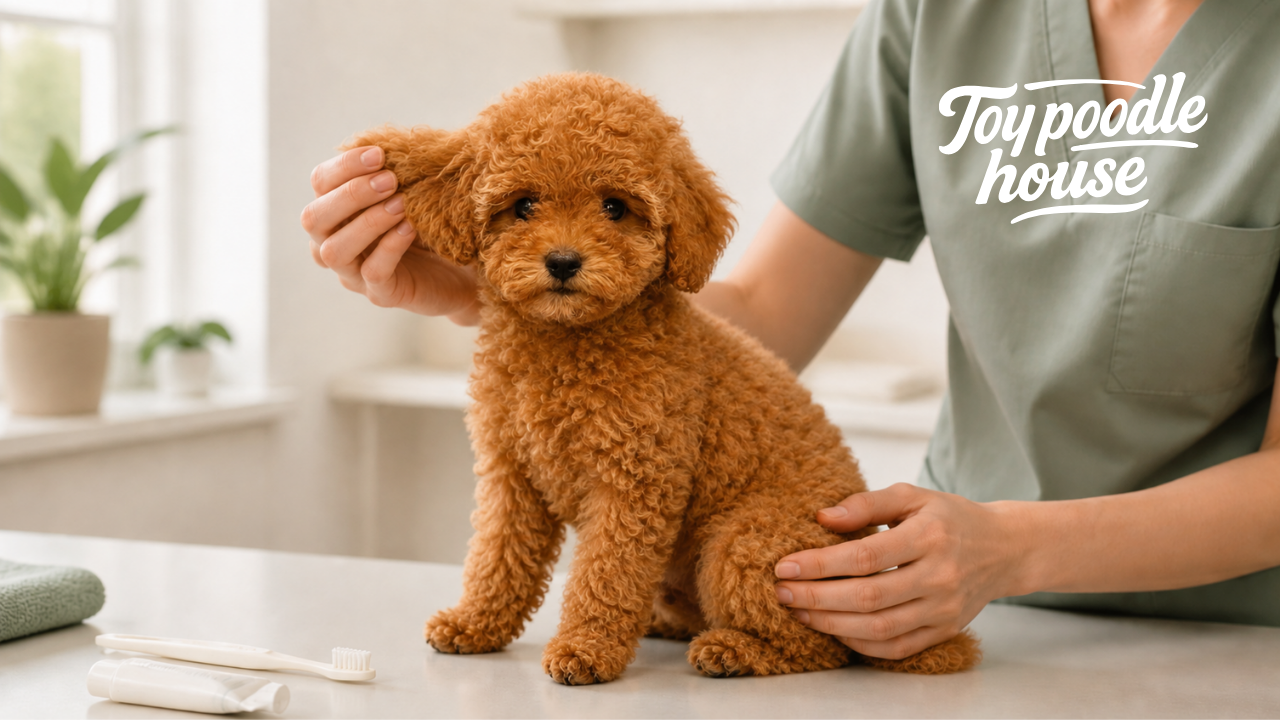
- Ear Infections: A Poodle’s floppy ears and dense hair in their ear canals can lead to the accumulation of moisture and dirt, creating a breeding ground for ear infections. Therefore, regular ear cleaning and checks are very important. Check their ears weekly and gently clean them with special cleaners recommended by your vet if necessary.
- Regular Vet Check-ups and Vaccination Schedule: Regular veterinary check-ups from puppyhood are essential for monitoring your Poodle’s general health. Your vet will plan the vaccination schedule (rabies, core vaccines, etc.), parasite prevention treatments (internal and external parasites), and general health screenings. Early diagnosis plays a critical role in the treatment of many diseases.
Things to Consider When Adopting a Poodle: Finding the Right Companion
Adopting a Poodle is a big and wonderful step to take in your life. Managing this process correctly is very important for the happiness of both you and your future companion.
- Find a Reputable Breeder: One of the most important points when adopting a Poodle is finding a reliable and responsible breeder. Certified and well-referenced kennels, like Toy Poodle House, pay close attention to raising healthy and well-socialized puppies. Make sure the breeder prioritizes the puppies’ health and well-being.
- Health Tests of Parent Dogs: A responsible breeder should have documents proving that the puppies’ parents have undergone the necessary health tests for genetic diseases. This helps minimize the risk of diseases the puppies are genetically predisposed to (for example, eye and joint problems).
- Observe the Puppy’s Temperament: When you visit the puppy Poodle, try to observe its temperament. A dog that is active, curious, interacts with people, and plays with other puppies is well-socialized. Puppies that are very shy or overly aggressive may experience behavioral problems later on.
- Communicate with the Breeder: Get detailed information from the breeder about your dog’s history, family, feeding habits, and vaccination history. A good breeder will not hesitate to help you with all your questions and will care about the future of their puppies.
Is Poodle Care Really Hard? The Answer is Hidden Within You!
So, the answer to the question “Is Poodle care difficult?” is actually very simple: Compared to other dog breeds, Poodle care is “less challenging,” but it still requires regular maintenance, love, and attention. If you can make time, meet your dog’s needs, and give it plenty of love, your Poodle will be the most wonderful friend in your life! Poodles are wonderful creatures that add meaning to your life with their loyal, intelligent, and cheerful nature. You can be sure that you will be rewarded for everything you give them. The bond you create with a Poodle will be a special experience you will never forget.
At Toy Poodle House, we are happy to connect you with healthy, well-tempered, and loving Poodle puppies. Our goal is to raise well-socialized and genetically healthy puppies that are ready to go to their new homes. 🐩💖 If you also want to adopt a Poodle, you can contact us to meet these tiny friends who will add joy to your life!
F.A.Q. – Frequently Asked Questions About Poodle Care
Here are some common questions that people thinking about adopting a Poodle have:
- Do Poodles bark a lot? Yes, some Poodles may bark due to their protective instincts or when they are bored. However, this behavior can be controlled with proper training and mental stimulation. Early socialization and balancing the time they are left alone also help reduce the barking problem.
- Are Poodle coats hypoallergenic? Poodles have a coat structure that is considered “hypoallergenic.” This means that their shedding rate is very low, and fewer allergenic proteins are spread. Therefore, many people with allergies can live more comfortably with Poodles. However, no dog breed is 100% hypoallergenic, so it’s best to get advice from a doctor or an allergy specialist for a definitive answer.
- Do Poodles like to be left alone? No, Poodles are extremely social creatures and take great pleasure in interacting with people. If they are left alone for long periods, they can get bored, stressed, and develop separation anxiety. This can lead to destructive behaviors or excessive barking. If you have to be away from home for long hours, it might be a good idea to arrange for a dog sitter or consider doggy daycare options.
- What is a Poodle’s lifespan? On average, Poodles live for 12-15 years with good care and a healthy lifestyle. Some Poodles may live even longer. Regular vet check-ups, balanced nutrition, sufficient exercise, and plenty of love help them live a healthy and long life.
- What should I pay attention to when getting a Poodle puppy? As we detailed above, the most important points to pay attention to when getting a Poodle puppy are:
- The breeder’s trustworthiness: Choose a breeder with good references and a history of prioritizing the puppies’ health and well-being.
- Complete vaccinations and health checks: The puppy’s initial vaccinations should be completed, and it should have had a general health check. Request this information from the breeder.
- The puppy’s active and healthy appearance: Choose a puppy with bright eyes, a clean coat, and is energetic and willing to play. Puppies that are lethargic or have discharge from their eyes may be experiencing a health issue.
Getting a Poodle is a truly wonderful experience! With the right information, preparation, and lots of love, you can make this process enjoyable for both yourself and your new companion. 🐾
Toy Poodle House – The Right Place for High-Quality, Healthy, and Loving Poodles! 📞 Contact us and meet your family’s new member!