A High-Performance Engine in a Tiny Body: The Basics of Poodle Nutrition
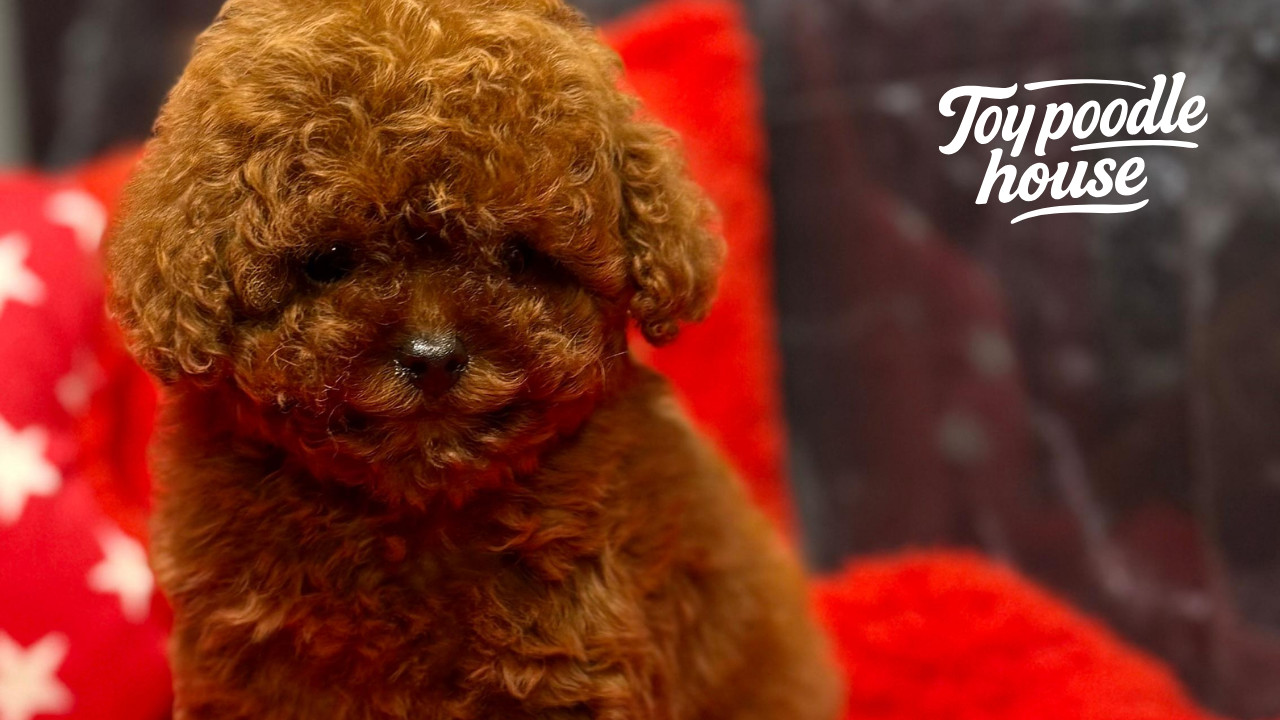
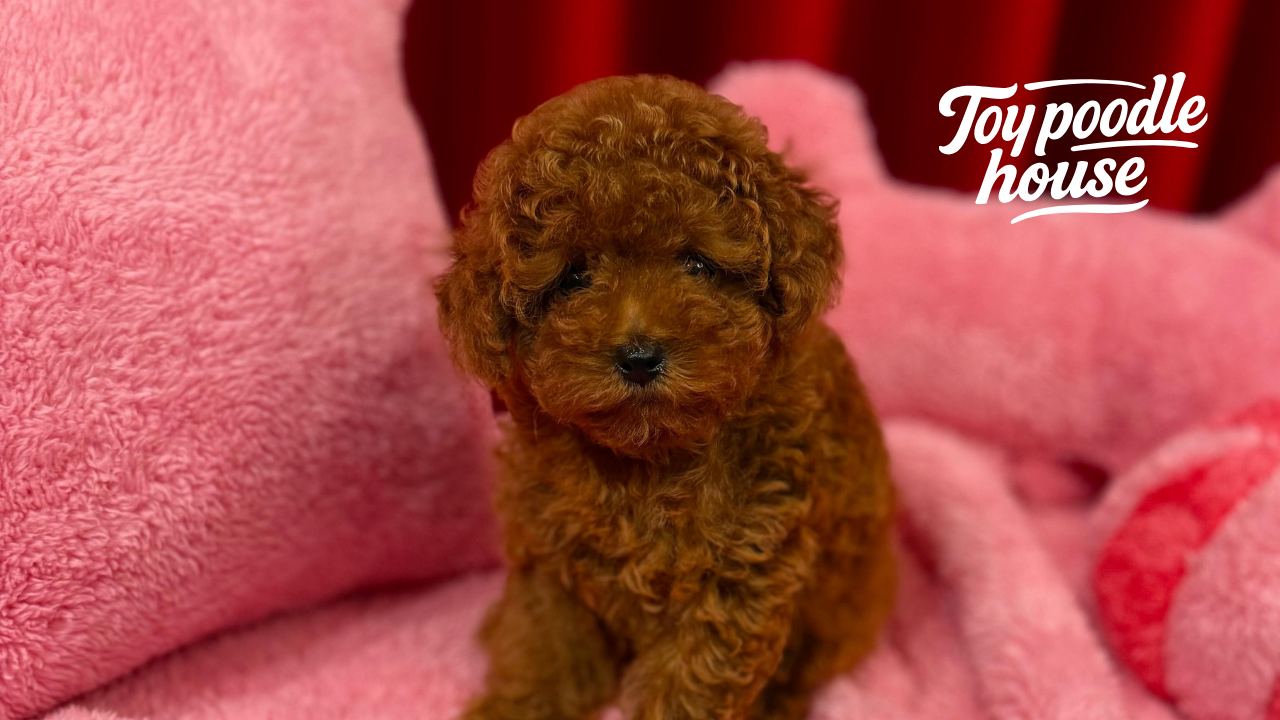
Living with a Toy Poodle is like hosting a miniature gourmet at home. These curly-haired companions have a unique metabolism that requires precision. If a Toy Poodle doesn’t get the right “fuel,” their energy drops, their magnificent coat becomes dull, and their vibrant color may even begin to fade.
Toy Poodles have a high metabolic rate relative to their size. They burn energy quickly but have very small stomach capacities. Therefore, the core philosophy of their nutrition is “Quality over Quantity.”
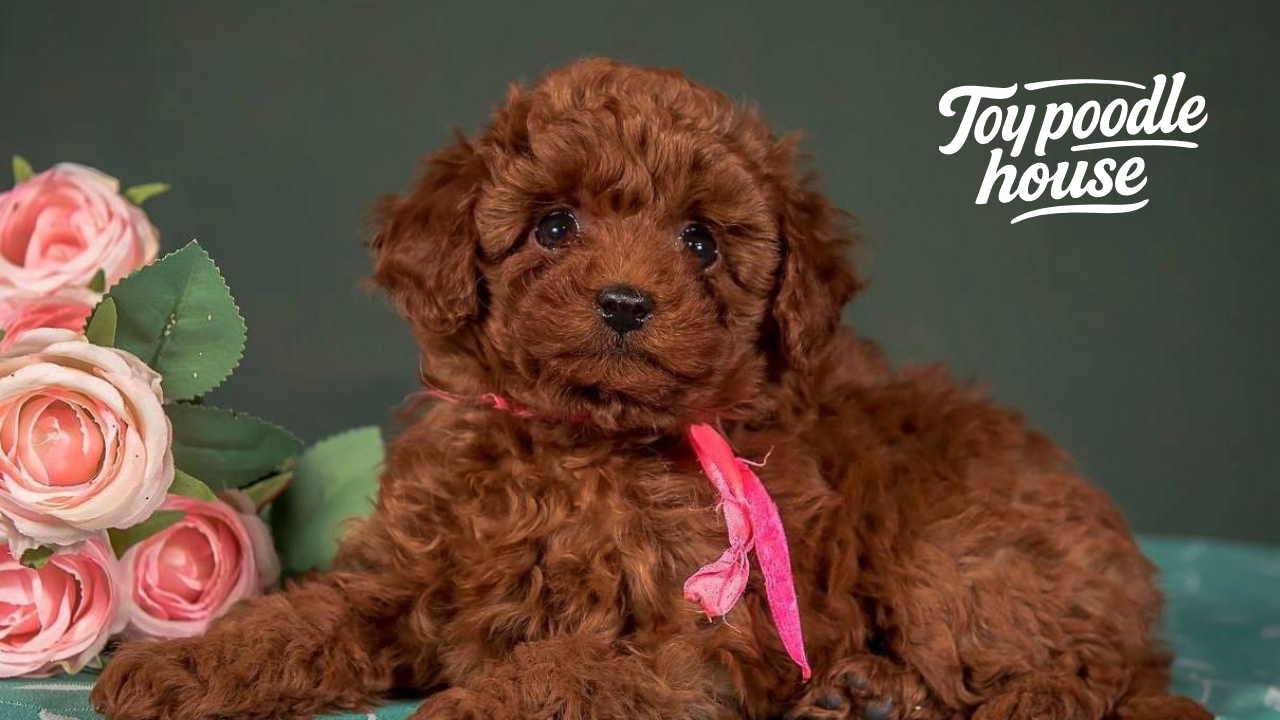
Growth Phase (2-10 Months): The Building Blocks
Puppies require high levels of protein and fat to support rapid development. Look for foods containing DHA (an Omega-3 fatty acid typically from fish oil) to support brain and eye development. During this phase, 3 to 4 small meals a day are essential to prevent hypoglycemia (sudden drops in blood sugar).
Adult Phase (10 Months and Older): Maintenance and Prevention
The biggest health risk for an adult Poodle is obesity. Even if they seem active, a Poodle receiving too many treats can gain weight rapidly, putting stress on their joints. Two meals a day are usually sufficient. Opting for high-quality dry kibble is advantageous for dental health, as it helps prevent plaque buildup compared to wet food.
The Secret to Protecting Coat Color and Health
One of the most common concerns for Poodle owners—especially those with Red or Apricot coats—is the fading of color over time. While genetics play a role, nutrition has a direct impact on pigment intensity.
Key Ingredients for a Vibrant Coat:
-
Beta-Carotene and Tyrosine: These support pigment production, helping to maintain the richness of red and apricot tones.
-
Omega-3 and Omega-6 Fatty Acids: These ensure the coat isn’t just colorful, but also shiny and elastic. Look for salmon oil or flaxseed in the ingredient list.
-
Copper and Zinc: Essential minerals for pigmentation. A deficiency often leads to dullness or premature “graying” of the fur.
-
High-Quality Animal Protein: Poodle fur is structurally similar to human hair and is made of keratin. Quality protein is non-negotiable for keratin production.
Pro Tip: Choose foods that list specific meats like “Lamb,” “Salmon,” or “Duck” as the first ingredient, rather than vague “poultry by-products.”
Danger in the Kitchen: The Prohibited Foods Table
Many owners find it hard to resist those pleading Poodle eyes, but what is healthy for you could be toxic for them.
| Food Item | Why is it Prohibited? | Potential Effect |
| Chocolate & Coffee | Contains Theobromine and Caffeine | Heart palpitations, seizures, and fatal risk |
| Grapes & Raisins | Contains an unknown toxin | Rapid kidney failure |
| Onions & Garlic | Contains Sulfoxides | Damages red blood cells, leading to anemia |
| Xylitol (Sweetener) | Found in sugar-free gum/peanut butter | Liver failure and sudden sugar drop |
| Avocado | Contains Persin | Vomiting and diarrhea |
| Cooked Bones | Can splinter easily | Stomach or intestinal perforation |
The 5 Golden Rules of Toy Poodle Nutrition
-
Transition Gradually: When switching brands, follow a 7-day transition period. Poodles have sensitive stomachs; sudden changes often cause digestive upset.
-
Keep Bowls Sterile: Bacteria buildup can irritate their digestive tract. Stainless steel or ceramic bowls are the most hygienic options.
-
Hydration is Vital: Dogs on a dry kibble diet require significant water intake. Ensure a clean, fresh water source is always available.
-
The 10% Treat Rule: Treats should never exceed 10% of their daily caloric intake. Over-treating leads to picky eaters and nutritional imbalances.
-
Avoid Seasoned Human Food: Our salty, spicy, and oily meals can lead to serious conditions like pancreatitis in small breeds.
Choosing Quality for a Longer Life
Proper nutrition is more than just filling a bowl; it is about determining the quality of your Toy Poodle’s life. By providing a diet that protects their coat, supports their digestion, and matches their age, you can ensure your companion lives a healthy life for 15 years or more. Remember, the shine in your Poodle’s coat is a mirror of their internal health.
At Toy Poodle House, we ensure our puppies are raised on the highest quality ingredients. If you would like a specific brand recommendation based on your Poodle’s weight and coat type, feel free to reach out to us.
ℹ️ Note: Every dog’s metabolism is unique. We recommend consulting your veterinarian before making significant dietary changes.