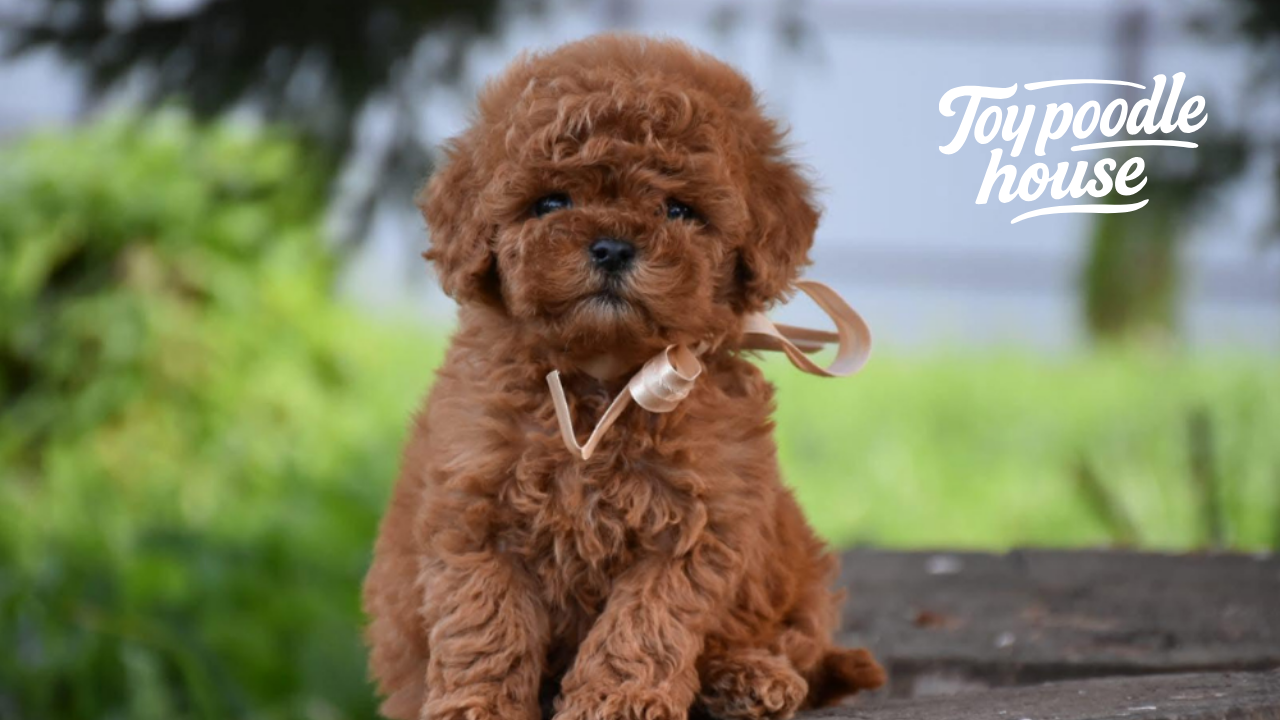
How Big Does a Toy Poodle Get? The Ultimate Full-Grown Guide for Future Owners
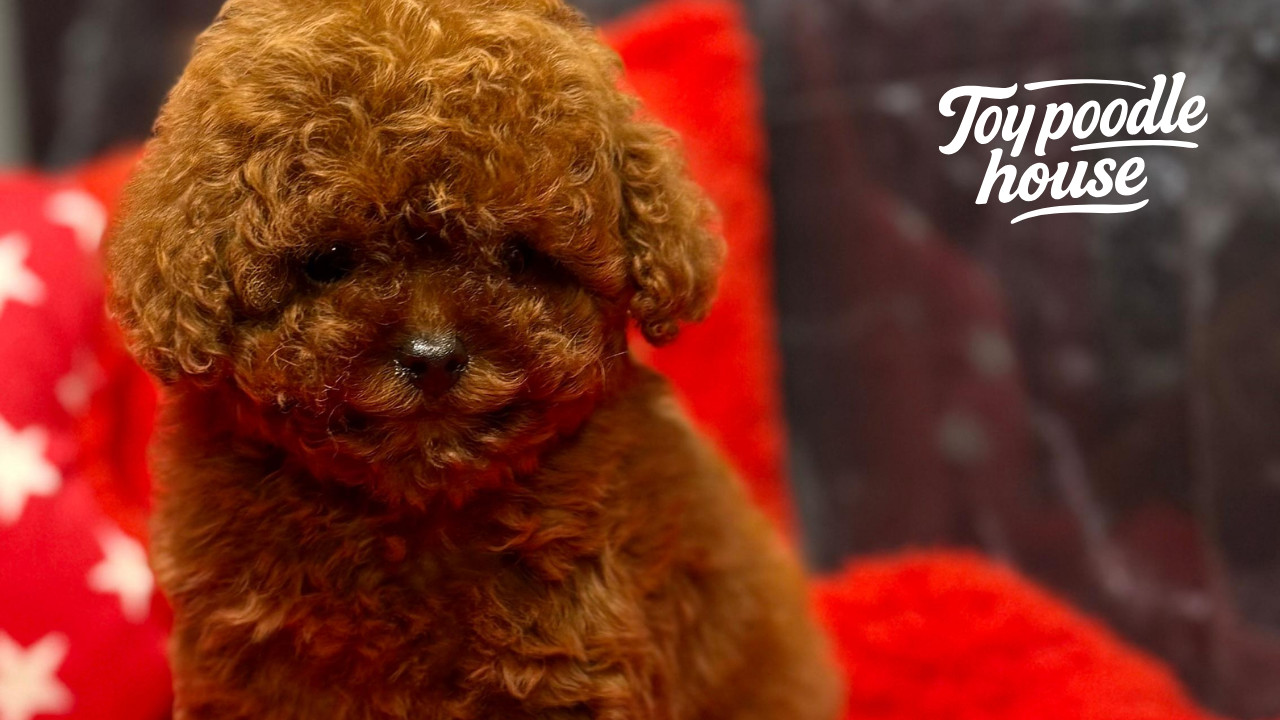
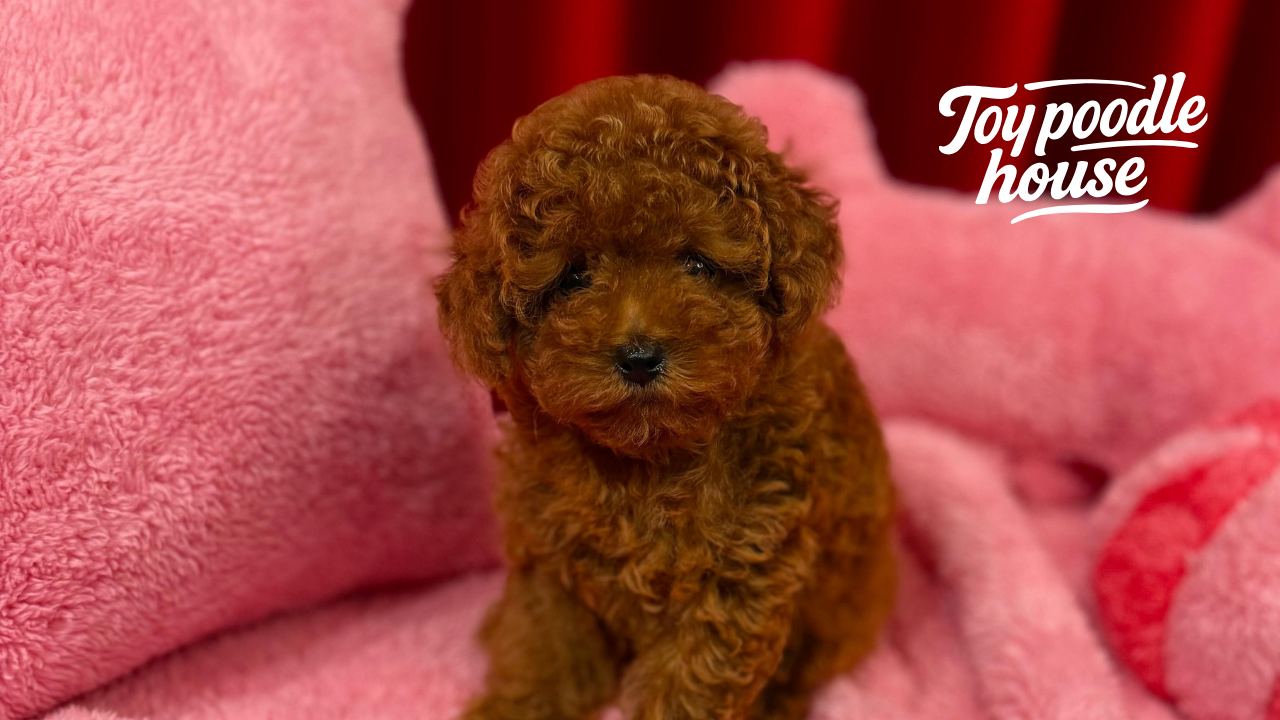
Whether you are already sharing your home with a curly bundle of joy or you are planning to bring one into your life, there is one question that likely occupies your mind: “Exactly how big will this tiny puppy be when it grows up?” Some owners dream of a dog that stays small enough to fit in a handbag forever, while others simply want to ensure their pet is growing at a healthy rate. At Toy Poodle House, we receive dozens of calls every day asking, “Is the size guaranteed?” The answer to that isn’t just a number in a genetic code; it involves a combination of genetics, proper nutrition, and understanding breed standards.
Let’s take a deep dive into the growth journey of these miniature companions with the precision of an algorithm and the empathy of a lifelong dog lover.
Decoding the Breed Standards: What Do the Experts Say?
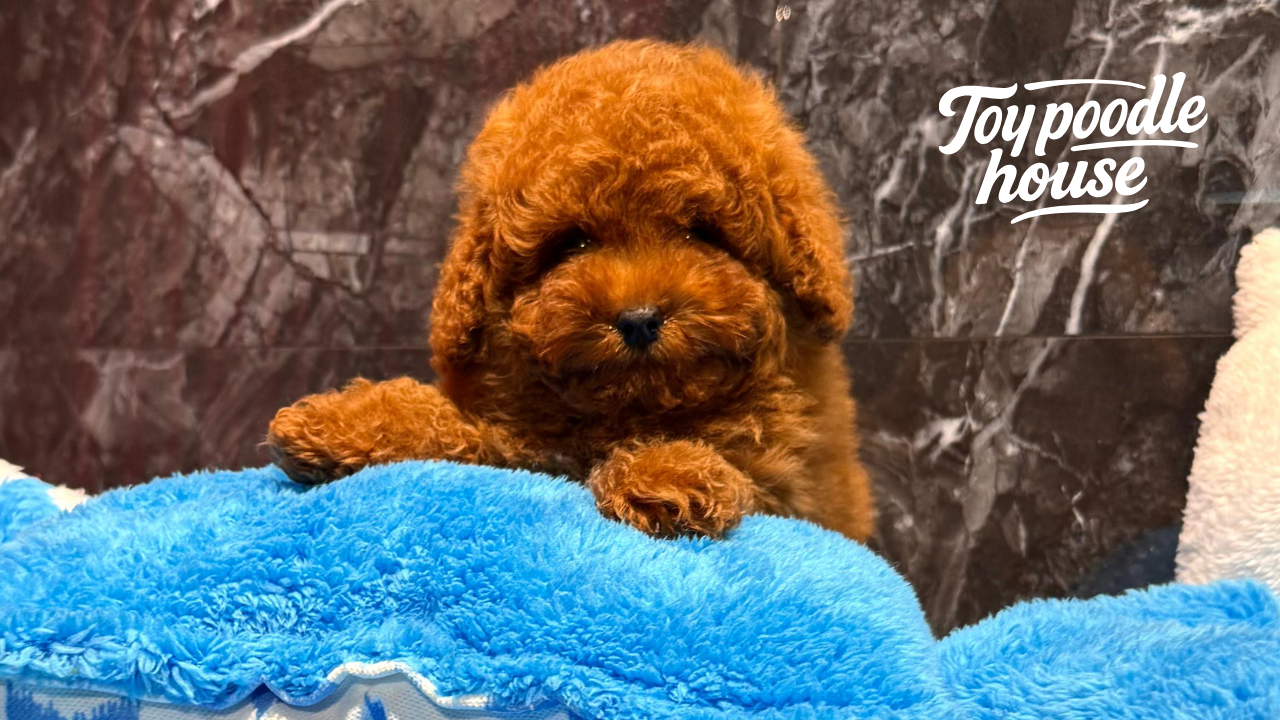
International kennel clubs and federations (such as the FCI, AKC, or KIF) have very strict boundaries when it comes to Toy Poodle dimensions. If your puppy is a true Toy Poodle, its size at maturity is largely predictable.
According to official standards, a full-grown Toy Poodle should stand between 24 cm and 28 cm (9.4 to 11 inches) at the shoulder (the withers). While height is the primary metric, weight is also important. A healthy adult typically weighs between 2 kg and 4 kg (4.4 to 8.8 lbs).
There is a critical nuance here: If your dog grows taller than 28 cm, it technically shifts into the “Miniature Poodle” category. Conversely, if it stays significantly under 24 cm with even more petite proportions, it is often categorized as a “Teacup” or “Tiny Toy”—the smallest members of the breed.
From Puppyhood to Maturity: The Month-by-Month Growth Timeline
When you adopt a Toy Poodle puppy, their rate of change can be dizzying. One month you are wondering if they will ever grow, and the next, you realize their legs have lengthened into that signature elegant stance. Here is what that journey looks like:
-
0 to 3 Months: This is the most rapid growth phase. As the puppy transitions from mother’s milk to solid food, their muscle and bone structures take shape quickly. They usually reach about 30-40% of their adult weight during this window.
-
4 to 6 Months: Coinciding with the teething period, growth remains steady. By the end of the 6th month, most Toy Poodles have achieved about 80% of their final height.
-
7 to 12 Months: The growth in height slows down significantly and eventually stops. However, the body begins to “fill out.” The ribcage widens, muscles become more defined, and that famous “square” body shape (where height and length are roughly equal) is solidified.
-
1 Year and Beyond: You now have an adult! While we don’t expect any change in height after 12 months, weight may fluctuate depending on diet and activity levels.
Can You Predict Adult Size Before It Happens?
Many people look at a puppy’s paws and panic, thinking, “Oh no, he’s going to be huge!” However, in the Poodle world, paws don’t always tell the truth. So, what do we look for at Toy Poodle House?
The most reliable indicator is the size of the parents. Genetics account for about 90% of the outcome. If your puppy’s parents are pedigreed and adhere to standards—like those in our care—the chances of a size surprise are nearly zero.
Another common rule of thumb is to take the puppy’s weight at four months and double it. While not a scientific law, it is a very common observation in the growth of small breeds.
The Critical Role of Nutrition in Growth
Think of it like an algorithm: if the input (the food) is poor, the output (the dog’s health and stature) will be flawed. While genetics determine the growth “cap,” nutrition determines whether the dog reaches that cap healthily.
If a puppy doesn’t receive enough calcium, protein, and vitamins during their developmental months, their bone growth can be stunted. Conversely, overfeeding won’t make them taller; it will just make them heavier. Obesity is a major risk for fine-boned breeds like Toy Poodles, leading to joint issues and heart strain. We always advocate for “quality over quantity”—premium meals spread throughout the day.
Common Misconceptions About Toy Poodle Size
There is a lot of misinformation out there. Let’s clear the air:
-
“Neutering/Spaying stops growth”: This is a myth. In fact, doing it too early can sometimes delay the closing of growth plates, potentially making the legs slightly longer than they would have been otherwise.
-
“Cutting the hair makes them grow faster”: This is purely an optical illusion. Long hair makes the dog look bigger; a fresh groom reveals the true physical frame.
-
“Will they grow into a giant if I live in a big house?”: No. A dog’s genetic code isn’t influenced by the square footage of your apartment.
Why the Toy Poodle Size is Perfect for Modern Life
Reaching that ideal adult size is actually the Toy Poodle’s greatest “feature.”
-
Ease of Travel: At 3-4 kg, your best friend can fly with you in the cabin or travel comfortably on trains and buses.
-
Social Acceptance: Most pet-friendly cafes and shops are happy to welcome a small dog that can stay in a lap or a carrier.
-
The Eternal Lap Dog: Even when full grown, Toy Poodles remain “babies” at heart. Their size makes them the perfect snuggle companions.
Toy Poodle House: Your Guarantee for Health and Size
Why should you choose a companion from Toy Poodle House? Because we don’t believe in a process full of “surprises.” Because our puppies’ parents have registered pedigrees, we can predict their adult size with 99% accuracy.
We offer more than just a dog; we offer guidance for the 15-year journey ahead. For us, the “full-grown version” of a puppy isn’t just about how many centimeters they stand—it’s about how healthy and happy they are as adults.
Frequently Asked Questions (FAQ)
1. When does a Toy Poodle stop growing? Usually, height growth stops between 9 and 12 months. Their body mass and muscle tone finish developing by the 18th month.
2. What is the ideal weight for an adult Toy Poodle? Depending on bone structure, the ideal range is typically between 2.5 kg and 4 kg.
3. Is there a difference between “Tiny Toy” and “Toy Poodle”? A Tiny Toy is simply a Toy Poodle that falls on the smaller end of the spectrum (usually around 2 kg). They are the same breed but differ in physical stature.
4. How can I tell if my dog is getting too big? If the height at the shoulder exceeds 28 cm, your dog has moved out of the “Toy” category and into the “Miniature” category. This is not a health problem, just a change in breed classification.
5. Can I keep them small by feeding them less? Absolutely not. Attempting to stunt growth through malnutrition is cruel and causes permanent organ damage. Size is genetic; nutrition is for health.
Conclusion: Ready to Meet Your Tiny Giant?
In conclusion, a full-grown Toy Poodle is neither a massive canine nor an invisible pet. It is the perfect size—large enough to be a sturdy companion and small enough to never leave your side.