Meet Your Tiny Best Friend: The Untold Truth About Teacup Poodle Puppies
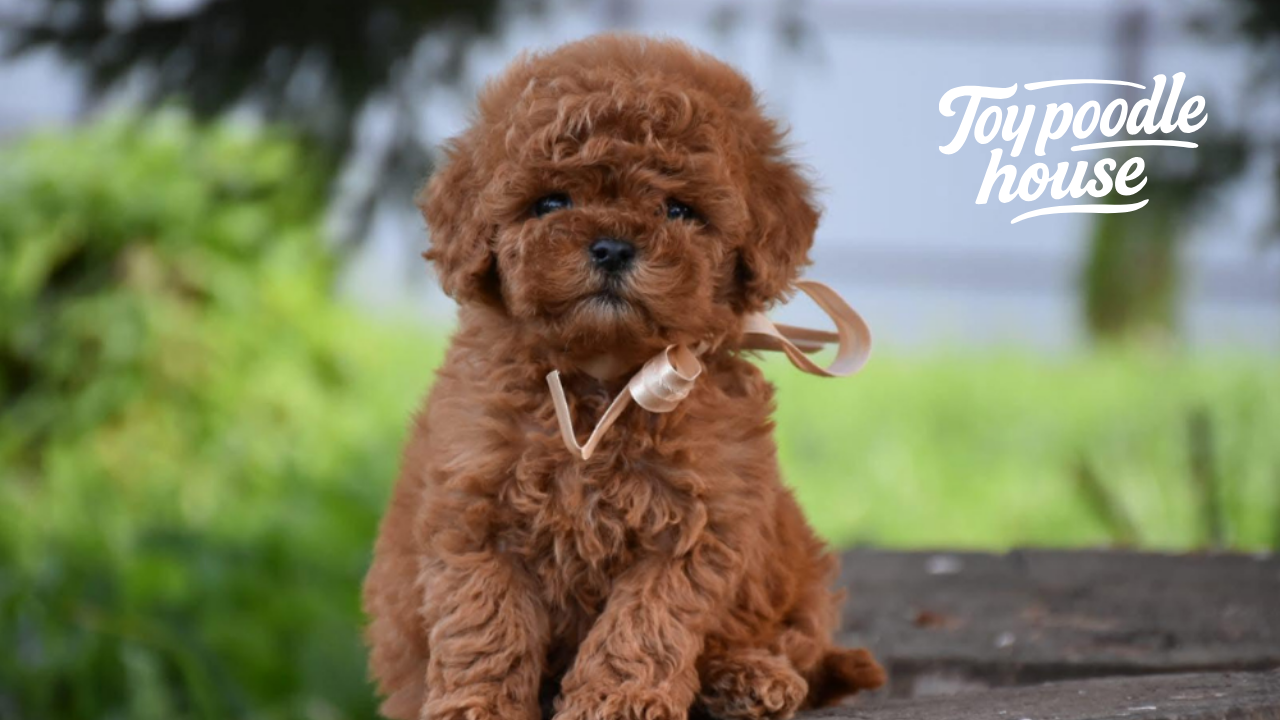
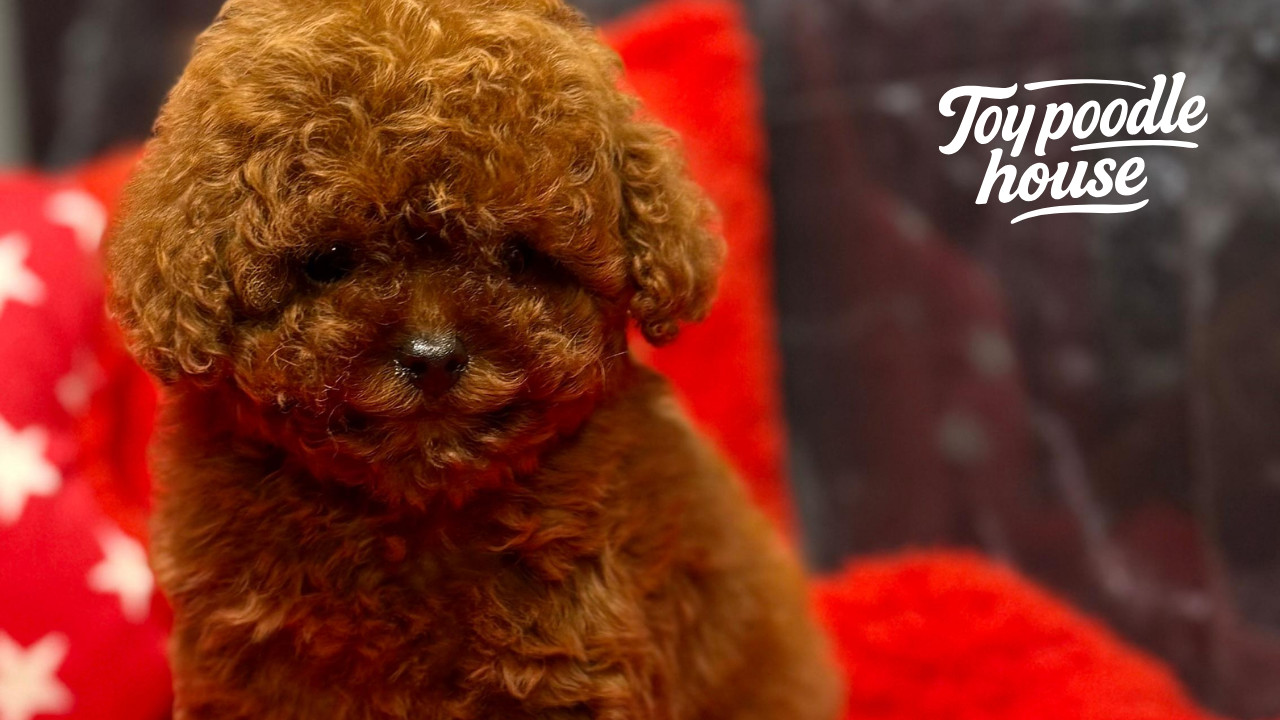
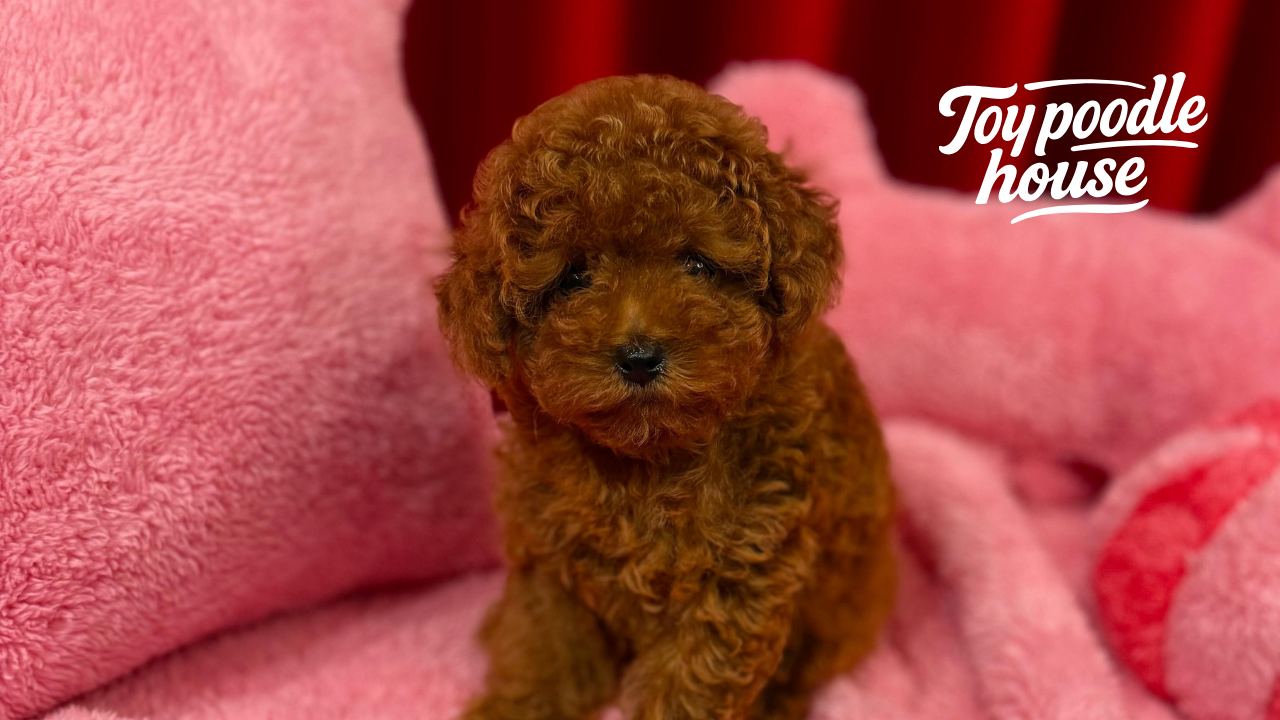
Small enough to fit in the palm of your hand, yet possessing a heart large enough to fill a room… If you are reading these lines, you have likely already fallen under the spell of those enchanting “teddy bear” eyes. The Teacup Poodle puppy is one of the most elegant, intelligent, and frankly, most curious members of the canine world.
At Toy Poodle House, years of experience have taught us one thing: Everyone wants a Teacup Poodle, but very few people fully understand the true nature, specific needs, and the details that make these tiny creatures so “special.” We don’t want you to get lost in the misinformation cluttering the internet.
“A dog is the only thing on earth that loves you more than he loves himself.” — Josh Billings
In this guide, we aren’t going to lecture you like an encyclopedia. Instead, think of this as a warm conversation over coffee. How big do they really get? Is their care as difficult as people say? And most importantly, are you ready for this tiny new family member?
Let’s step into the world of these miniature miracles together.
What is a Teacup Poodle? A Breed or a Size?
First, let’s clear up a common confusion. One of the questions we hear most often is: “Is the Teacup a separate breed?”
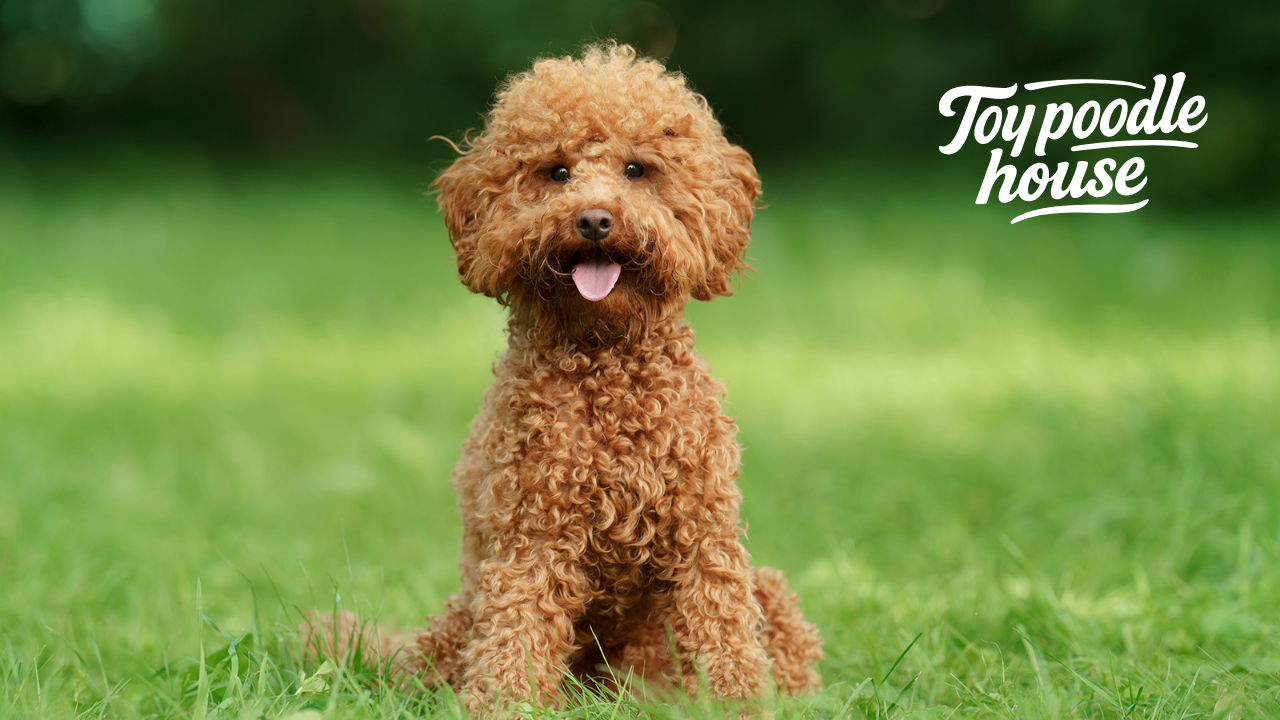
The answer is both yes and no. Technically, in the standards of the World Canine Organization (FCI), you won’t see a registered breed named “Teacup.” The Poodle breed is classified as Standard, Miniature, and Toy. “Teacup Poodle” is a widely accepted, specialized term used globally to describe the genetically smallest members of the Toy Poodle family.
So, they are the tiniest, most delicate members of the Poodle clan. But what makes them special isn’t just their size—it’s the massive personality they pack into those tiny bodies.
Teacup Poodle Characteristics: The Details That Make Them Unique
When you see a Teacup Poodle, you might struggle to believe it’s a real dog. They move like battery-operated toys, yet they possess an intellect sharp enough to outsmart you. So, what sets them apart?
1. Physical Appearance and Size: How Big Do They Get?
The first question that comes to mind is undoubtedly: “Do they really fit in a teacup?”
As puppies, yes, they might. But things change slightly when they grow up. Here are the realistic dimensions according to Toy Poodle House standards:
-
Adult Weight: A healthy Teacup Poodle typically weighs between 1.8 kg and 2.5 kg (4 to 5.5 lbs) when fully grown.
-
Adult Height: Their shoulder height is generally under 24 cm (9.5 inches).
Sometimes, we see “Micro Teacup” members that stay around 1.5 kg. However, a word of caution: As the size decreases, the sensitivity of care increases. For us, the priority isn’t just that the dog is “small,” but that it is “healthy” at that size.
2. Coat Structure: A Miracle for Allergy Sufferers
The biggest advantage of the Poodle breed is that they don’t shed. Yes, you read that right. Teacup Poodles have a hair-like coat structure rather than fur. You won’t find tumbleweeds of hair on your sofa or clothes.
This makes them hypoallergenic. If you have a family member with dog allergies or if you are particularly tidy, a Teacup Poodle fits the bill perfectly. Their hair is curly, soft, and (when groomed) feels just like a plush toy.
3. Character and Intelligence: The Einstein of Dogs
Don’t let their size fool you into thinking they are just “purse dogs.” The Poodle is ranked as the second smartest dog breed in the world. Teacup Poodles carry this genetic legacy.
-
Learning Speed: They can learn a new command in just 3-4 repetitions.
-
Emotional Intelligence: They can sense your mood. If you’re sad, they curl up in your lap; if you’re happy, they bounce around with you.
-
Social Structure: They are human-focused. They don’t like being alone, which is why they are often called “velcro dogs”—they stick to you wherever you go.
Why is Pedigree So Important? (The Guarantee of Authenticity)
At Toy Poodle House, we always tell our clients:
“A pedigree is not just a piece of paper; it is the dog’s identity card.”
When adopting a Teacup Poodle, knowing its genetic history is vital. Why?
-
Size Guarantee: There is no guarantee that a puppy without a pedigree won’t grow into a Standard Poodle size. A pedigree allows you to verify the sizes of parents and even grandparents.
-
Health History: Genetic diseases are kept under control through pedigree tracking.
-
Temperament Analysis: It helps you understand if unwanted traits like aggression or extreme shyness run in the bloodline.
Unfortunately, the market is full of puppies sold as “Teacup” that are bred in unhealthy conditions or have genetic issues. Therefore, documents from recognized federations are an insurance policy for both you and your puppy’s future.
Teacup Poodle Care: Difficult or Just Detailed?
Let’s be honest: Caring for a Teacup Poodle is different from caring for a German Shepherd or a Golden Retriever. It wouldn’t be accurate to call it “hard,” but it is a process that requires “attention and care.” Think of them as crystal vases; they are incredibly valuable, but if not handled correctly, they can be fragile.
Feeding Routine: Watch Out for Hypoglycemia!
These little friends have stomachs the size of a walnut. They can’t eat much at once, but their metabolism runs like a Ferrari engine. This creates a risk for hypoglycemia (low blood sugar).
-
Frequent and Small Meals: Instead of 1-2 meals a day, they should be fed 3-4 small meals.
-
Quality Food: Since they eat so little, every gram of food must be nutrient-dense. At Toy Poodle House, we recommend premium dry food series specifically for small breeds.
Home Life and Safety
Teacup Poodles should not jump from high places. Jumping off a couch or bed carries a risk of fractures for their delicate bone structure.
-
Pro Tip: Using miniature dog stairs for them to get on the sofa is both an adorable and life-saving solution.
Grooming and Hair Care
The price of non-shedding hair is the need for regular brushing. As their hair grows, it is prone to matting.
-
Daily: A gentle 5-minute brushing session is sufficient.
-
Monthly: A professional pet groomer visit. The “Teddy Bear Cut” gives them that iconic look.
How Long Do Teacup Poodles Live?
It is a scientific fact that small breeds generally live longer than large breeds. A well-cared-for Teacup Poodle with quality nutrition and no genetic issues can be your companion for 12 to 15 years, sometimes even longer.
They won’t just be a part of a small chapter of your life; they will be your loyal friend for many years. So, when deciding to adopt, remember that you are signing up for a 15-year friendship.
The Toy Poodle House Difference in Adoption
We are more than just breeders; we are the bridge connecting families with their new members. At Toy Poodle House, every puppy is like our own child. Their health, happiness, and placement with the right family are far more important than commercial concerns.
Our puppies are delivered under veterinary supervision, with up-to-date vaccinations, completed parasite treatments, and most importantly, after having received sufficient maternal milk. We continue to provide 24/7 guidance on care, training, and nutrition even after adoption. Because we know that the real journey begins when you take the puppy home.
Frequently Asked Questions (FAQ)
Here are some critical questions and expert answers we’ve compiled for our readers and clients:
1. Do Teacup Poodles get along with children? Yes, they can. However, the real question should be, “Can children get along with a Teacup Poodle?” Very young children might find it hard to understand how fragile the dog is. Therefore, we advise families with children under 6-7 years old to be cautious or ensure strict parental supervision.
2. Is potty training difficult? Thanks to their intelligence, they grasp potty training very quickly. However, since their bladders are tiny, their holding time is shorter. You can establish a routine within 2-3 weeks with patient pee-pad training or outdoor acclimatization.
3. Can a Teacup Poodle stay home alone? Staying alone for long periods (8-10 hours) is not for them. They can experience separation anxiety. If you have a busy work schedule, they might need a second pet companion or someone to check on them during the day.
4. Do they bark a lot? Every dog barks, but Poodles generally don’t like making noise for no reason. They usually vocalize as a warning (doorbell, etc.) or out of excitement. Nuisance barking can be prevented with proper socialization.
Final Words: Are You Ready for a New Beginning?
Owning a Teacup Poodle isn’t just about feeding a pet; it’s about bringing joy, unconditional love, and endless positive energy into your home. When you look into those beady eyes, you’ll feel the day’s stress melt away.
“Happiness is a warm puppy.” — Charles M. Schulz
If you want these tiny paws to touch your life, we welcome you to Toy Poodle House. Come visit our farm, see our puppies up close, feel their energy, and let’s decide together which tiny friend makes your heart skip a beat.
Remember, every great friendship starts with a small paw.
Disclaimer: This content is for informational purposes only. Every dog is an individual, and development processes may vary. It is recommended to consult with expert breeders and veterinarians for the most accurate information.