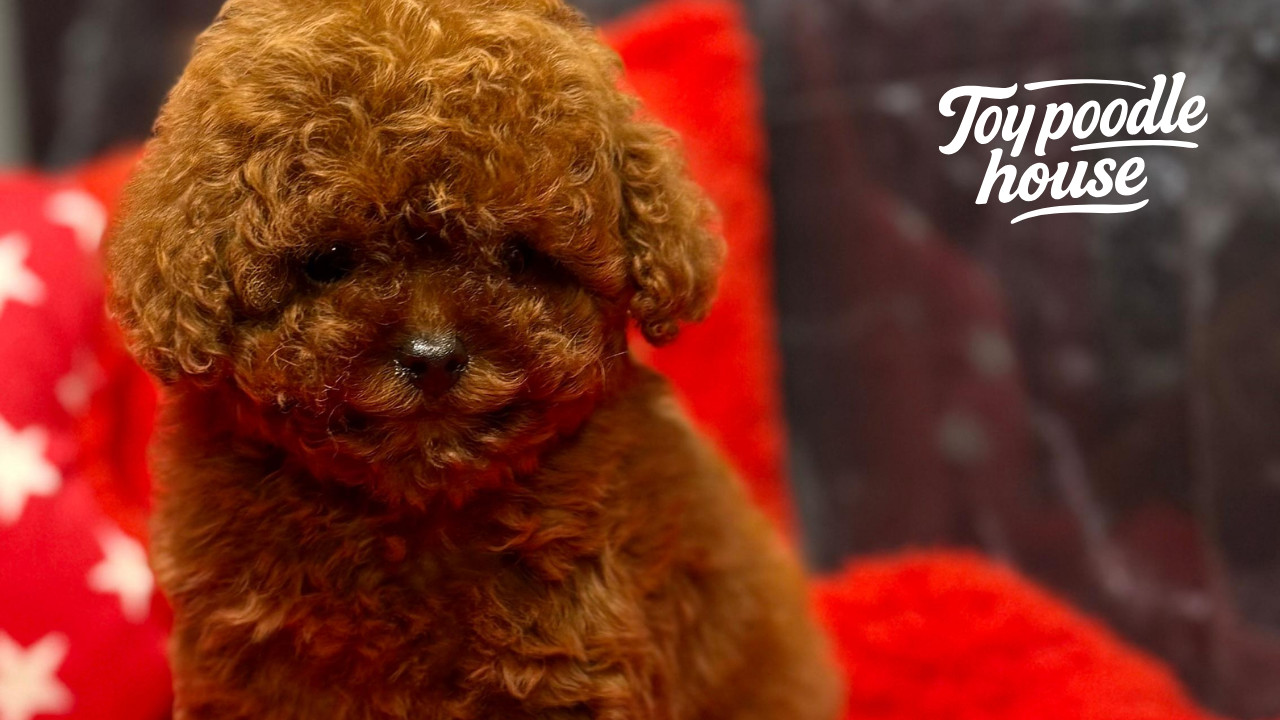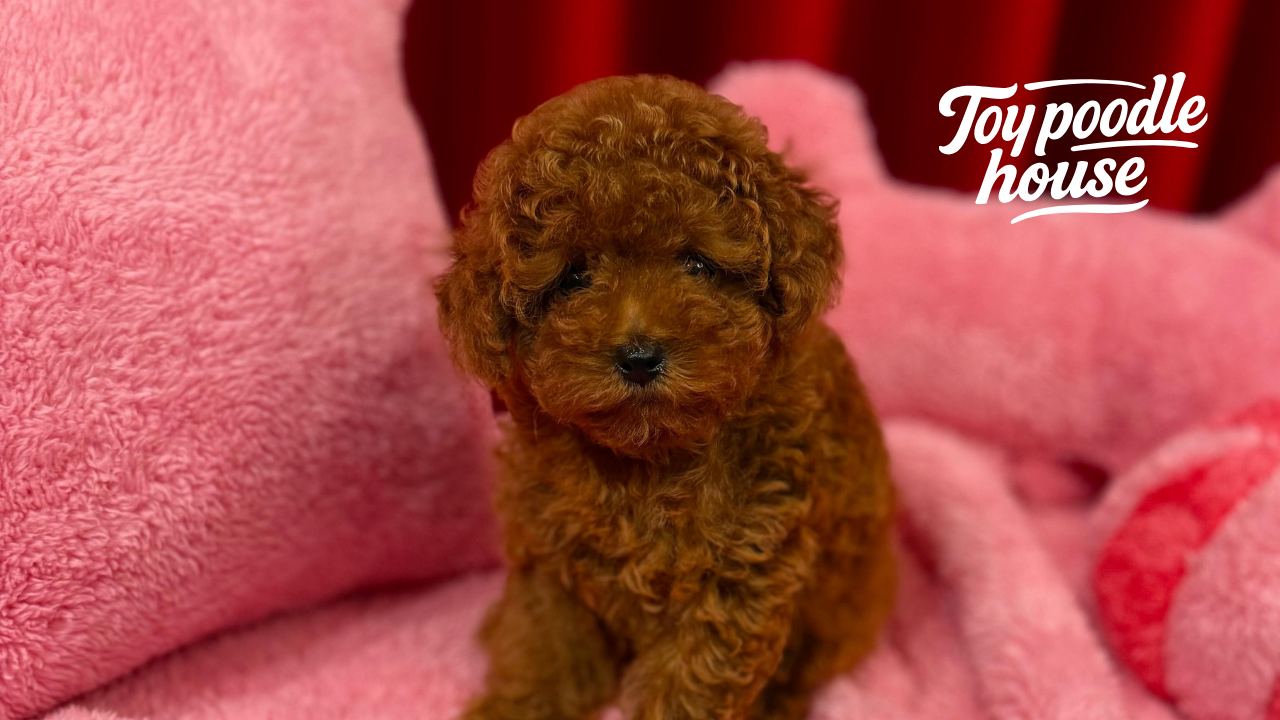
Poodle Characteristics: A Dance of Elegance, Intelligence, and Love – Your Detailed Guide from Toy Poodle House
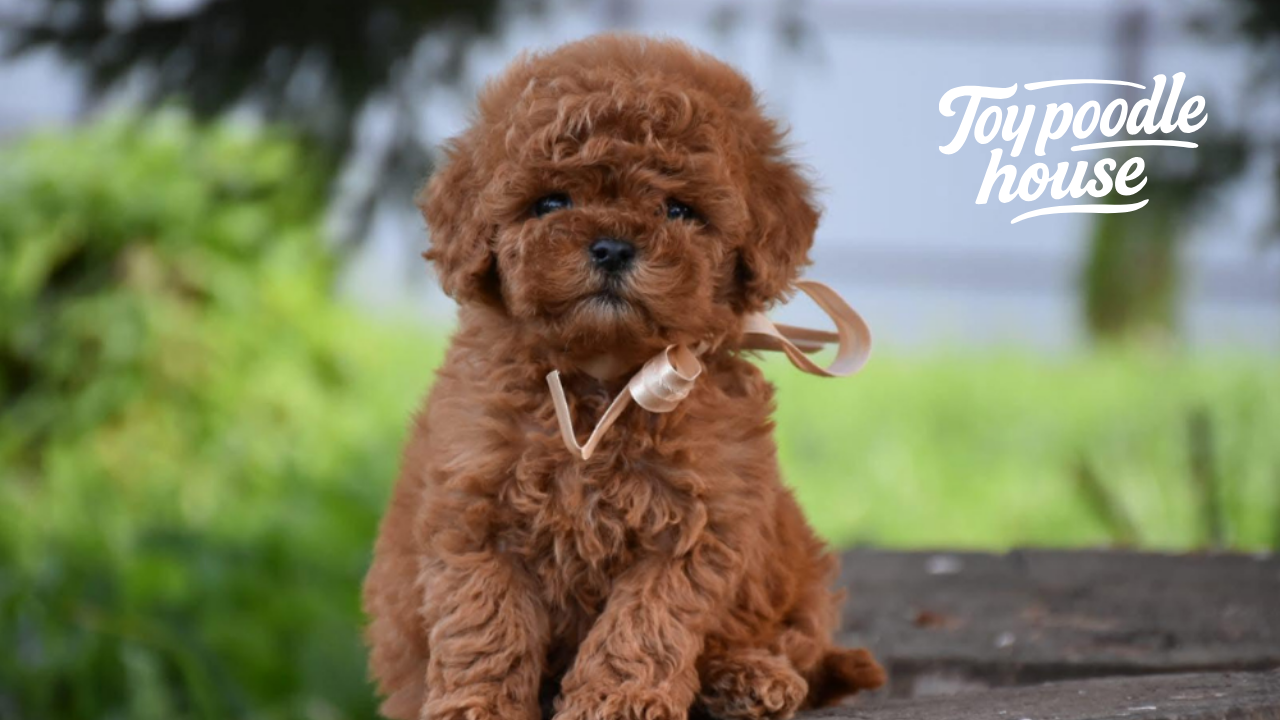
Poodles… when you hear the name, don’t you immediately think of those elegant, fluffy-haired dogs that carry themselves like movie stars? They are exactly that! But Poodles have captured our hearts and become one of the world’s most popular dog breeds not just for their looks, but also for their keen intelligence, cheerful personalities, and devotion to people. If you’re thinking about adding one of these unique companions to your life, you’ve come to the right place! As Toy Poodle House, we’re here to share all the secrets of the Poodle world with you, in a detailed and heartfelt guide. Get ready, we’re about to embark on a journey into the enchanting world of Poodles!
The Poodle’s Magnificent Physical World: A Beauty in Every Size
While Poodles are often referred to by the general name “Poodle,” they are actually divided into three main categories based on their size. Each has its own unique charm, and it’s important to know these differences to choose the one that best fits your lifestyle:
- Toy Poodle: These tiny, adorable friends are the smallest members of the Poodle family. They are typically 24-28 cm tall and weigh between 2-4 kg. Their small size makes them the perfect fit for apartment and city life. You’ll love carrying them, I’m sure!
- Miniature Poodle (Mini Poodle): Slightly larger than the Toy Poodle but still compact, Mini Poodles are 28-38 cm tall and weigh 4-6 kg. Their medium size makes them an ideal choice for many families. They can easily adapt with a moderate amount of exercise.
- Standard Poodle: The most majestic members of the Poodle family! These large and noble dogs are 45-60 cm tall and can weigh between 20-32 kg. Standard Poodles stand out with their impressive stature and athletic build. They generally need larger living spaces and more opportunities for exercise.
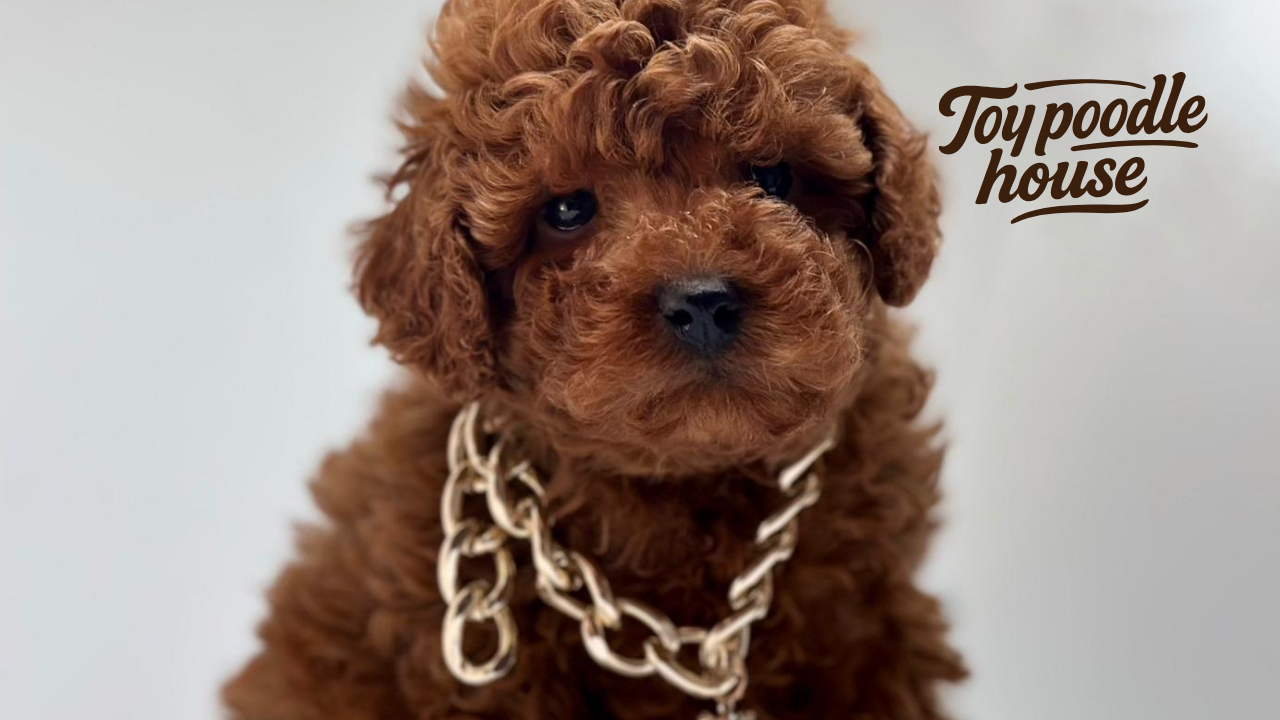
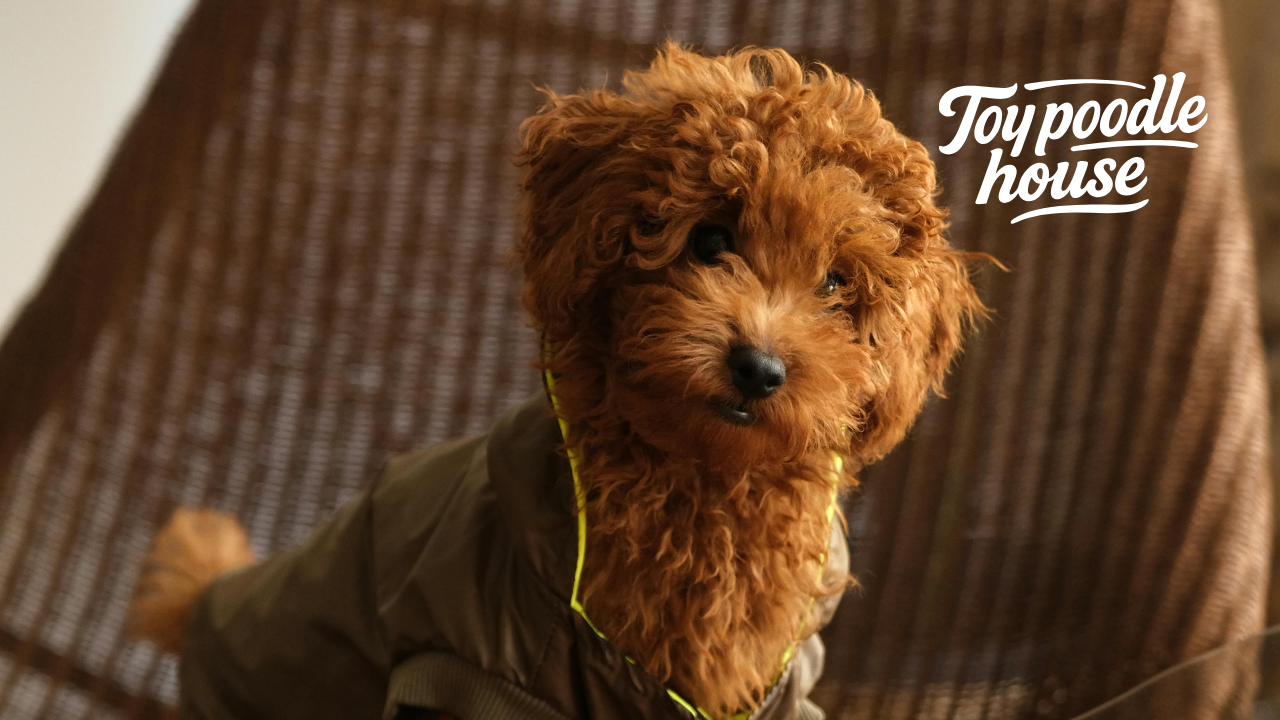
A common and much-loved characteristic shared by all Poodle sizes is, of course, their curly and hypoallergenic coat. This coat sheds very little, making them a lifesaver for people with allergies. Yes, you heard that right, Poodles can end your shedding nightmare! This feature makes them not only beautiful but also a practical and considerate choice.
The Poodle’s Inner World: Intelligence, Play, and Unconditional Love
Poodles captivate us not only with their appearance but also with their inner world. Their character and behavior offer you everything you could expect from a dog and more:
A Friend with Brains: The Fast-Learning Poodle
Poodles are considered one of the most intelligent dog breeds. In fact, many experts believe they are the world’s second most intelligent breed (after the Border Collie). Do you know what that means? They learn commands incredibly fast. They can quickly grasp not only basic obedience training but also a variety of tricks and even complex tasks. This high level of intelligence not only makes them easy to train but also makes all the activities you do with them much more enjoyable. Puzzle toys and problem-solving exercises are their favorites, and they keep their minds active.
Active and Playful: Add Joy to Your Life!
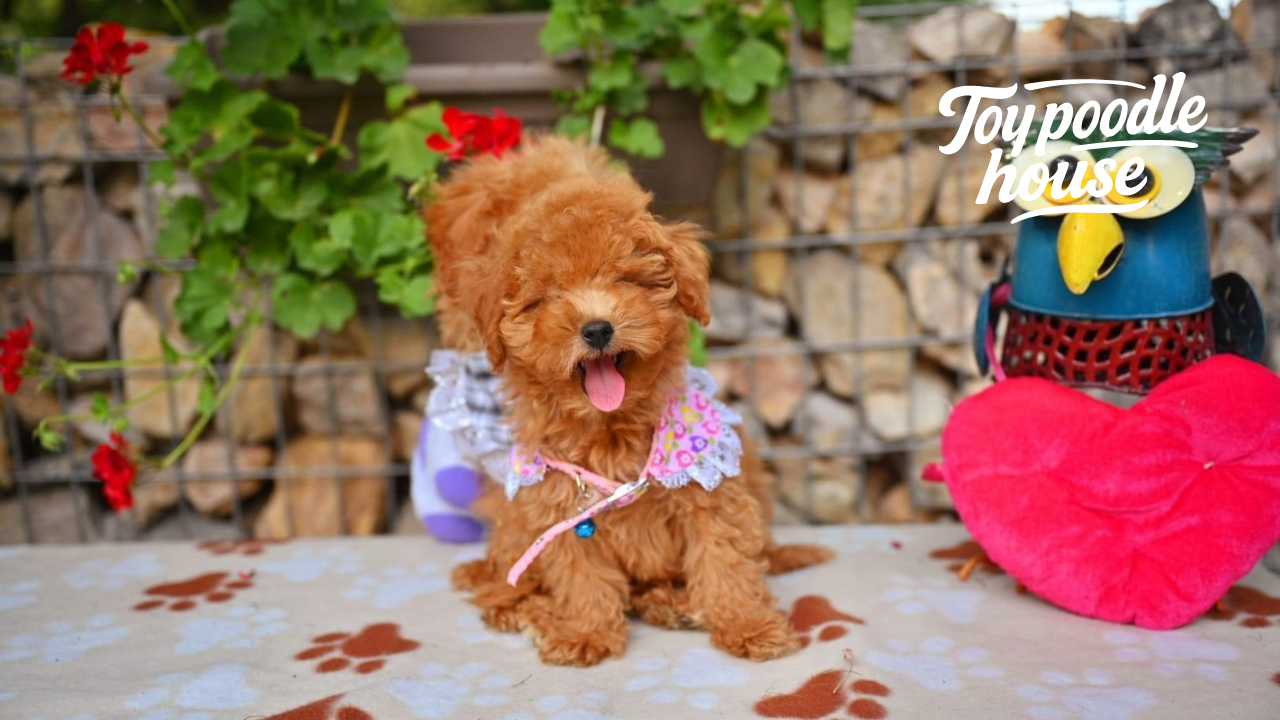
Especially Toy and Miniature Poodles are known for their energetic and playful nature despite their size. They never tire of running around the house, chasing a ball, or playing interactive games with you. As long as their energy is properly expended, they are calm and happy companions at home. Standard Poodles are also playful, of course, but their energy needs to be released through long walks or runs outdoors. Remember, a happy Poodle is a Poodle that has had enough exercise and playtime!
Social Butterflies: People-Oriented and Loyal
Poodles are extremely social and people-oriented dogs. They form incredibly strong bonds with family members and absolutely love being a part of the family. Spending time with you, lying on your lap, and being by your side is their greatest happiness. For this reason, they don’t like being left alone for long periods and can develop separation anxiety. If you are often away from home or think you can’t dedicate enough time to your Poodle, you should definitely consider this. For them, family means everything.
The Stars of Apartment Life: Adaptable Poodles
Depending on their size, Poodles are generally very suitable for apartment living. Especially Toy and Miniature Poodles can live comfortably even in small spaces due to their compact size. However, this doesn’t mean they don’t need exercise. Even if they live in an apartment, their daily exercise needs must be met. Regular walks and playtime are vital for both their physical and mental health.
Poodle Care and Needs: Your Guide to a Healthy and Happy Life
Adopting a Poodle means not only getting a loving friend but also taking on certain responsibilities for its health and well-being. Poodles have specific grooming needs, and meeting them ensures they live a long, healthy, and happy life.
Coat Care: The Secret to Their Beauty is Regular Grooming
A Poodle’s iconic curly coat is the key to its beauty, but it also requires regular and careful grooming.
- Brushing: Regular brushing is essential to prevent the curly coat from matting and tangling. Brushing at least 2-3 times a week, or even daily if possible, keeps the coat healthy and prevents potential issues. Using brushes and combs specially designed for Poodles will make this process easier.
- Professional Grooming: A Poodle’s hair grows continuously and therefore requires professional grooming every 6-8 weeks. Grooming keeps the coat short, clean, and prevents tangles. You can also get different and adorable clips for your Poodle!
- Bathing: Although hypoallergenic, Poodles need to be bathed from time to time. Bathing them once a month with a special dog shampoo is sufficient. More frequent bathing can dry out their skin and damage their coat. It is also very important to completely dry and brush the coat after bathing.
Exercise Needs: Releasing Energy in the Right Way
Poodles are energetic, and this energy needs to be released properly. Otherwise, boredom and behavioral problems can arise.
- Daily Activities: Depending on your Poodle’s size, daily 30-45 minute walks or play activities are enough to keep them happy and balanced. Tossing a ball at a park, going for a long walk, or letting them run freely in a yard meets their physical needs.
- Mental Exercise: A Poodle’s high intelligence means they need not only physical but also mental exercise. Puzzle toys, brain games, and learning new commands keep their minds active and prevent boredom. These types of activities also strengthen the bond between you and your Poodle.
Nutrition: The Foundation of a Healthy Life
As with any living creature, proper nutrition is vital for a Poodle’s health.
- High-Quality Dry Food: It is recommended to feed your Poodle a high-quality, nutrient-rich dry food. The food’s content should be appropriate for your dog’s age, size, and activity level. You can consult with your veterinarian to choose the most suitable food.
- Special for Toy Poodles: For Toy Poodles specifically, it’s best to choose small kibble sizes that are suitable for their small mouths. This makes it easier for them to chew and digest their food.
- Water: Make sure your dog always has access to fresh and clean water.
Poodle Health: What You Need to Know for a Long and Healthy Life
Although Poodles are generally a healthy breed, like all breeds, they have some genetic predispositions to certain health issues. Knowing these issues and providing regular veterinary care can help you minimize potential risks. A Poodle’s average lifespan is between 12-15 years, and with good care, it can be even longer.
Common Health Issues: Awareness is Key
- Eye Problems: Poodles can be prone to eye problems such as cataracts and progressive retinal atrophy (PRA). Cataracts cause vision loss due to clouding of the lens, while PRA is a genetic disease that causes blindness due to the progressive deterioration of the retina. Regular eye exams can help with early detection of these issues.
- Hip Dysplasia: Another genetic condition, hip dysplasia, can be seen in Standard Poodles. This condition, caused by an improperly formed hip joint, can lead to pain and limited mobility. Getting a puppy from a reputable breeder and making sure the parents have passed hip health tests can reduce this risk.
- Ear Infections: A Poodle’s floppy ears and hair inside the ear canal can lead to moisture buildup and reduced airflow, increasing the likelihood of ear infections. Therefore, regular ear cleaning and hair management are crucial. You should check their ears weekly and clean them with a solution recommended by your vet if necessary.
- Patellar Luxation (Slipping Kneecap): This is a condition commonly seen in Toy and Miniature Poodles. It’s characterized by the kneecap slipping out of place and can cause limping.
Regular Vet Check-ups: Preventive Healthcare
To minimize all these potential health issues and extend your Poodle’s life, regular vet check-ups are vital. Annual health check-ups, vaccinations, parasite prevention treatments, and early diagnosis of potential symptoms are key to keeping your Poodle healthy. If you suspect any health issue, you should consult your veterinarian without delay.
Before You Adopt a Poodle: Are You Ready?
Adding a Poodle to your family can be a wonderful decision, but before you make it, it’s important to ask yourself some questions and evaluate if a Poodle is a good fit for your lifestyle.
- Family-Friendly, Gets Along Well with Children: Poodles are generally friendly dogs that can get along very well with children and other pets. However, it’s important to teach children how to interact with a dog, and to supervise interactions between Poodles and especially young children.
- Suitable for Apartment Living, But Barking Tendency Should be Controlled: As we mentioned before, Poodles are adaptable to apartment living, but some may have a tendency to bark. This can increase when they are left alone or get bored. With early socialization and training, this can be managed. If you want to get along with your neighbors, be sure to consider this!
- High Intelligence and Energy Levels Mean They Need Attention and Play: A Poodle is not a passive pet. Because of their high intelligence and energy levels, they constantly need attention, play, and mental stimulation. If you can’t spend enough time with them or give them the necessary training, a Poodle may not be the right choice for you. Remember, spending time with them is an investment.
F.A.Q. (Frequently Asked Questions): Your Poodle Questions Answered
We’ve compiled and answered the most frequently asked questions about Poodles for you.
- Do Poodles really not shed? Yes, Poodles shed very little. This makes them an ideal choice for people with allergies. However, this doesn’t mean they don’t require coat care. On the contrary, regular grooming and brushing are essential to keep their coats healthy and free of mats.
- Do Poodles like being alone? No, Poodles are extremely social dogs. They form strong bonds with people and can experience separation anxiety if left alone for long periods. This can lead to behavioral issues such as excessive barking, destructive behavior, or house training accidents. If you are away from home for long hours, you should seriously consider this before adopting a Poodle.
- Which Poodle size is right for me? The choice of Poodle size depends on your lifestyle and expectations:
- Toy Poodle: Ideal for small living spaces, apartments, and city life. They need less exercise and can be easily carried when traveling.
- Miniature Poodle: Offers a balance between Toy and Standard. Suitable for medium-sized homes and moderately active families.
- Standard Poodle: More suitable for large living spaces, homes with yards, and active families. They need more exercise and socialization.
- Is it difficult to train a Poodle? Absolutely not! Poodles are incredibly intelligent, so they are very easy to train. They learn new commands and tricks quickly. You can achieve very successful results with positive reinforcement methods (reward-based training). Working with them will bring you joy as well.
- What is a Poodle’s lifespan? A Poodle’s average lifespan is between 12-15 years. With good nutrition, regular vet check-ups, enough exercise, and a loving environment, it’s possible for them to live a longer, healthier life.
Add a Poodle Touch to Your Life with Toy Poodle House!
Poodles are unique dogs that combine elegance, intelligence, and unconditional love. They are not just pets; they are wonderful friends who will become a part of your family and add joy and meaning to your life. Every moment you spend with them will turn into an unforgettable memory. If you want to adopt a high-quality, healthy, and loving Poodle puppy, we at Toy Poodle House would be happy to offer you the very best puppies! Our puppies are raised with love, have all their health checks completed, and are waiting for you to take them to their new homes. Contact us to step into the Poodle world and add one of these magnificent friends to your life. 🐩💖 We wish you a wonderful life with your Poodle!