🐩 The Complete Guide to Poodle Care and Nutrition by Age
How to Keep Your Poodle Healthy, Happy, and Balanced at Every Life Stage
🎯 Introduction: Every Age Has Different Needs
Poodles are intelligent, energetic, and long-lived companions.
But just like humans, a Poodle puppy, a fully grown adult, and a senior dog all have very different physical and emotional needs.
Many owners make the mistake of thinking, “He likes this food — why change it?”
However, proper age-specific nutrition impacts everything from coat quality to joint health.
In this guide, you’ll find expert-level advice from Toy Poodle House trainers on how to care for and feed your Poodle throughout each stage of life — from playful puppyhood to graceful old age.
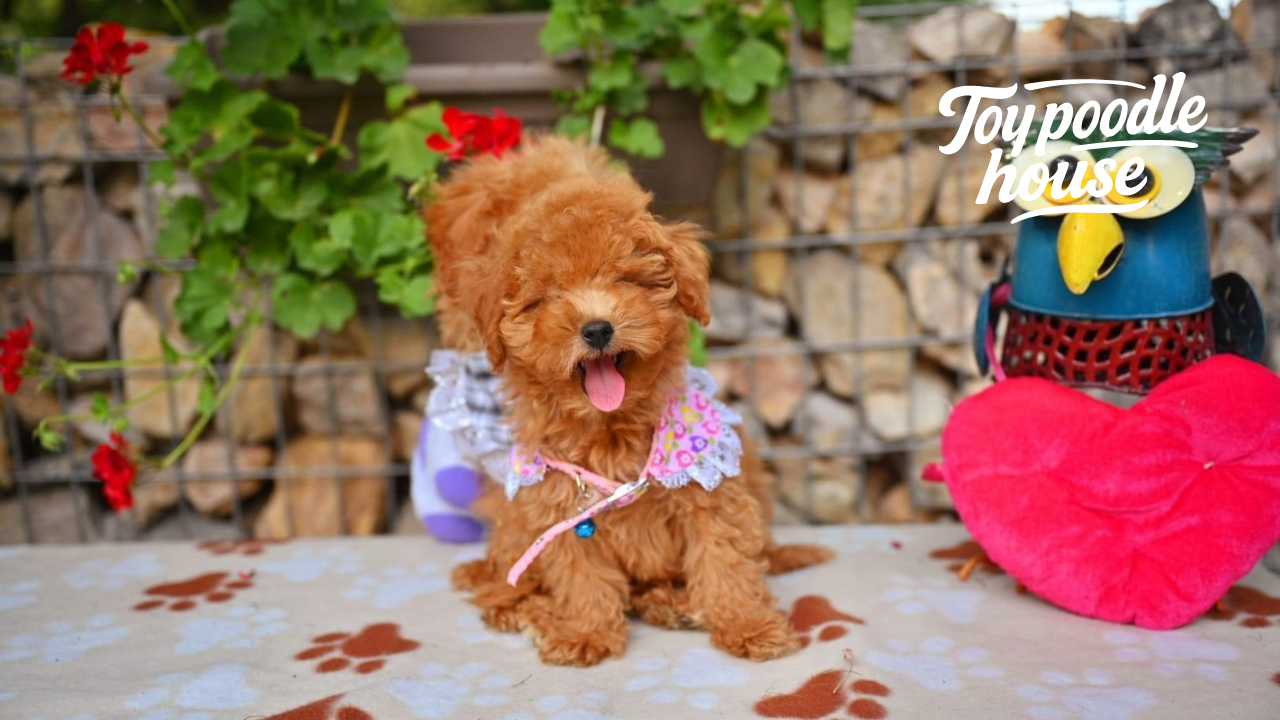
🐾 1. Puppy Poodle (0–12 Months): Building a Strong Foundation
🍼 Nutrition
Poodle puppies grow fast and need high energy, quality protein, and balanced calcium for proper bone and muscle development.
Key tips:
-
Choose the right formula: Use a small-breed puppy food with high protein content.
-
Meal frequency: 2–4 months → 4 meals/day; after 6 months → 3 meals/day.
-
Water: Always provide clean, room-temperature water.
-
Treats: Use sparingly — mainly as training rewards.
📌 Toy Poodle House recommendation:
Look for a formula with 28–30% protein, 15% fat, Omega-3 fatty acids, and glucosamine for growing joints.
🧴 Grooming & Care
The puppy stage is the perfect time to establish lifelong habits.
-
Brushing: Start early! Brush 2–3 times per week.
-
Bathing: Every 3–4 weeks using a gentle puppy shampoo.
-
Nail trimming: Once per month.
-
Dental care: Brush with a dog-safe toothpaste 2–3 times per week.
💡 Pro tip: Introduce your puppy to the sound of dryers, clippers, and combs early — it makes future grooming visits stress-free.
🐕 2. Adult Poodle (1–7 Years): Energy, Balance & Beauty
This is the prime of your Poodle’s life — full of energy and curiosity.
Proper nutrition, consistent grooming, and regular mental stimulation are key to maintaining balance.
🍗 Nutrition
-
Type of food: “Adult small-breed” formulas are ideal.
-
Protein level: 24–28% is sufficient.
-
Healthy fats: Omega-3s and Omega-6s keep the coat shiny.
-
Feeding schedule: Two meals a day at consistent times.
-
Supplements: Glucosamine (joints), probiotics (digestion), and biotin (skin & coat).
Be cautious with portion size — Poodles can gain weight easily.
From above, your dog’s waist should be visible; from the side, a light tuck at the belly.
🧼 Grooming & Daily Care
Adult Poodles are known for their luxurious coats — but it takes work!
Recommended routine:
-
Brushing: 3–4 times per week.
-
Professional grooming: Every 6–8 weeks.
-
Eye & ear cleaning: Weekly (Poodles are prone to tear stains).
-
Teeth brushing: Every other day.
🏃♂️ Exercise: At least 30–45 minutes of walking or playtime daily.
Interactive toys and short obedience sessions help keep their minds sharp.
🧓 3. Senior Poodle (7+ Years): Comfort, Health & Longevity
Poodles are blessed with long lives — often reaching 14–17 years.
But as they age, metabolism slows, joints stiffen, and digestion changes.
🥣 Nutrition
-
Food type: “Senior” diets with lower fat and higher fiber content.
-
Protein level: Moderate (20–24%) to preserve muscle without stressing kidneys.
-
Beneficial supplements:
-
Glucosamine + Chondroitin → Joint health
-
Omega-3 → Skin & heart function
-
L-Carnitine → Supports fat metabolism
-
💧 Encourage hydration — older dogs drink less and risk kidney strain.
Moisten their kibble with warm water for easier chewing and digestion.
💤 Care & Lifestyle
-
Exercise: Gentle walks and light playtime. Avoid overexertion.
-
Brushing: Use softer brushes for thinner skin.
-
Vet visits: Twice yearly for full checkups and bloodwork.
-
Eyes & teeth: Monitor for cataracts and tartar buildup.
💗 Empathy is vital: Senior Poodles become calmer and more affectionate.
Provide a quiet, warm, and comfortable space for rest.

⚖️ General Nutrition & Care Rules
-
Avoid human food. Salt, spices, and fat can seriously harm dogs.
-
Transition food gradually. Mix 25% new food each day over a week.
-
Water is always essential.
-
Weigh your dog regularly. Weight gain stresses joints and heart.
-
Consult your vet before feeding homemade diets.
🌟 Expert Tip from Toy Poodle House
“Poodles don’t just need food — they need connection.
Feed their body with quality nutrition, and their mind with love, play, and attention.”
— Toy Poodle House Training Team
💬 Conclusion: A Healthy Routine for a Lifetime
Proper age-specific nutrition and grooming determine your Poodle’s quality of life.
A healthy puppy builds the foundation for a balanced adult; a balanced adult ensures a peaceful, happy senior stage.
Even 10 minutes a day — brushing, bonding, or simply talking to your dog — makes a difference.
Because a happy Poodle isn’t just well-fed — it’s well-loved. 💖
Would you like to share your own care routine or feeding experience?
Leave a comment below or contact the Toy Poodle House team — together, we’ll raise healthier, happier Poodles. 🐾
❓ Frequently Asked Questions (FAQ)
1. At what age is a Poodle considered senior?
Usually around 7 years and older.
2. How much should a Poodle puppy eat?
It depends on weight, but 4 small meals per day are ideal for the first few months.
3. Do adult Poodles need supplements?
Not always, but omega-3, biotin, and glucosamine can boost coat and joint health.
4. Should senior Poodles still exercise?
Yes, but gently — light walks keep joints flexible.
5. Do Poodles shed?
No, they don’t shed like most breeds, but regular brushing prevents matting.