How Big Do Poodles Get? Everything You Need to Know About Your Tiny Friend’s Growth Journey!
One of the first questions on the minds of many people looking for a canine companion is undoubtedly, “How big do Poodles get?” And you’re right to ask, because Poodles don’t come in a single size. They are divided into three main categories, each with different characteristics and sizes, just like family members: Standard, Miniature, and of course, our favorite, the Toy Poodle! Throughout this article, we’ll take a close look at the fascinating journey of these elegant companions, from birth to adulthood. We’ll explore the characteristics of each size, their developmental stages, and what you need to pay attention to for your tiny friend to grow healthily. If you’ve decided to make room in your heart for a Poodle or are already a Poodle parent, this guide is for you!
1. The Elegance and Variety of Poodles: Which Size is Right for You?
When you think of a Poodle, what comes to mind is their fluffy coat, intelligent eyes, and noble posture. However, Poodles stand out not only for their appearance but also for their sizes. Each size offers features that are suitable for different lifestyles and expectations. Let’s get to know these three fascinating members of the Poodle family more closely:
Standard Poodle: The Athletic Representatives of Big Hearts
Standard Poodles are the largest and perhaps the most well-known members of the Poodle family. Their history as hunting dogs explains their athletic build and high energy levels. If you have an active lifestyle, and you love long walks, runs, or even dog sports, a Standard Poodle might be the perfect friend for you.
- Adult Size: They typically reach a shoulder height of 45 to 60 cm, which makes them quite striking and impressive.
- Adult Weight: On average, they weigh between 20 and 32 kg. They have a muscular and strong build.
- Growth Process: Standard Poodles grow a bit slower than other Poodle varieties. It usually takes them 12 to 18 months to reach their full size and complete their muscle development. During this period, balanced nutrition and regular exercise are vital for healthy growth.
- Temperament: They are known for being intelligent, trainable, loyal, and energetic. They generally get along very well with children and other pets. A well-socialized Standard Poodle can be a source of joy for the whole household.
Miniature Poodle: The Stylish and Adaptable Residents of City Life
Miniature Poodles have a more compact size compared to Standard Poodles, but they carry all the same intelligence and elegance. They are particularly successful at adapting to apartment living. Their medium size allows them to be both a lap dog and an active outdoor companion.
- Adult Size: Their shoulder height ranges from 28 to 38 cm. This size makes them ideal for most homes.
- Adult Weight: They usually weigh between 5 and 9 kg. They have a compact but muscular build.
- Growth Process: Miniature Poodles grow faster than Standard Poodles and typically reach their full adult size within 10 to 12 months. High-quality nutrition and the right exercise program are crucial during this rapid growth period.
- Temperament: They are cheerful, social, playful, and very intelligent dogs. They learn quickly and training them is an enjoyable experience. With enough socialization, they can be friendly towards strangers as well.
Toy Poodle: Enormous Hearts in Tiny Packages
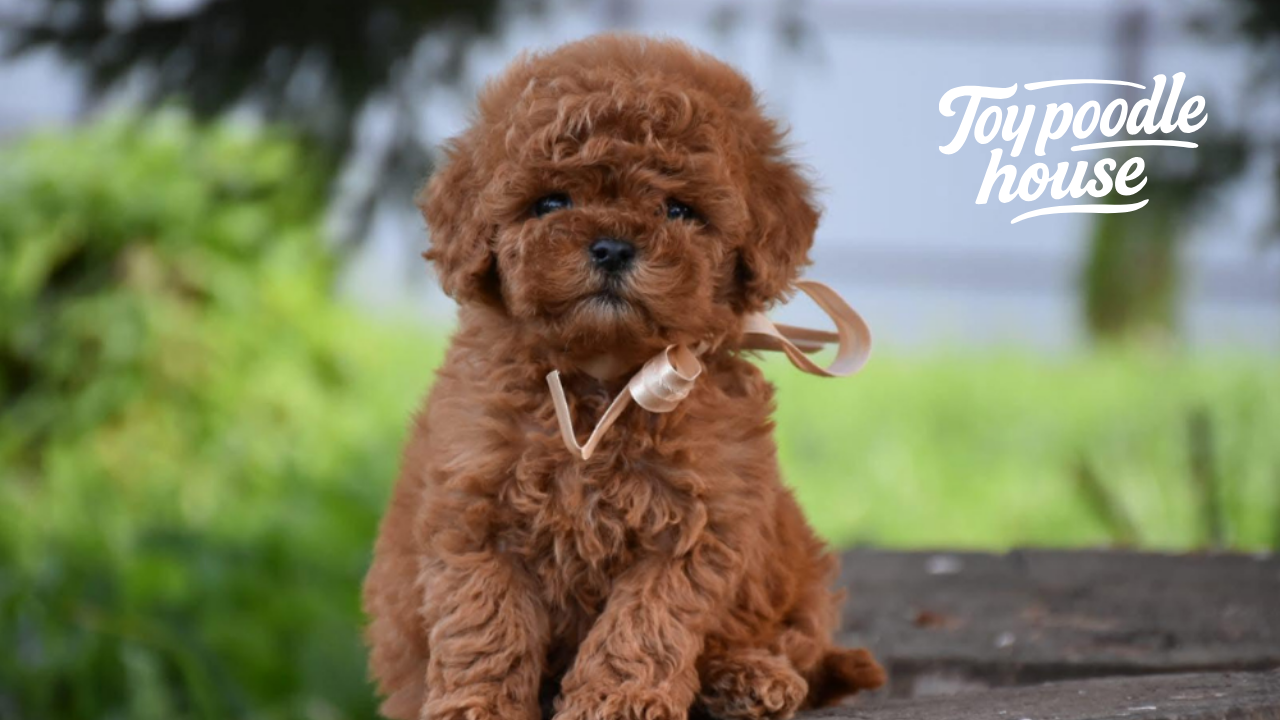
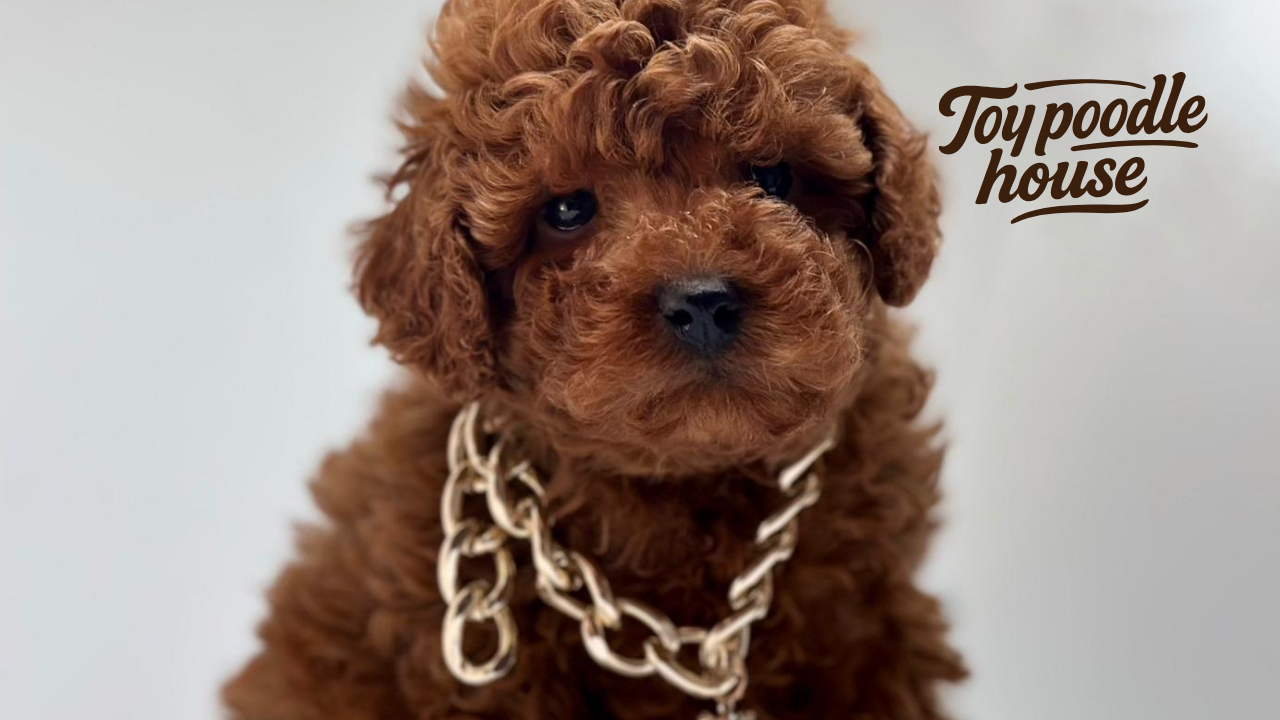
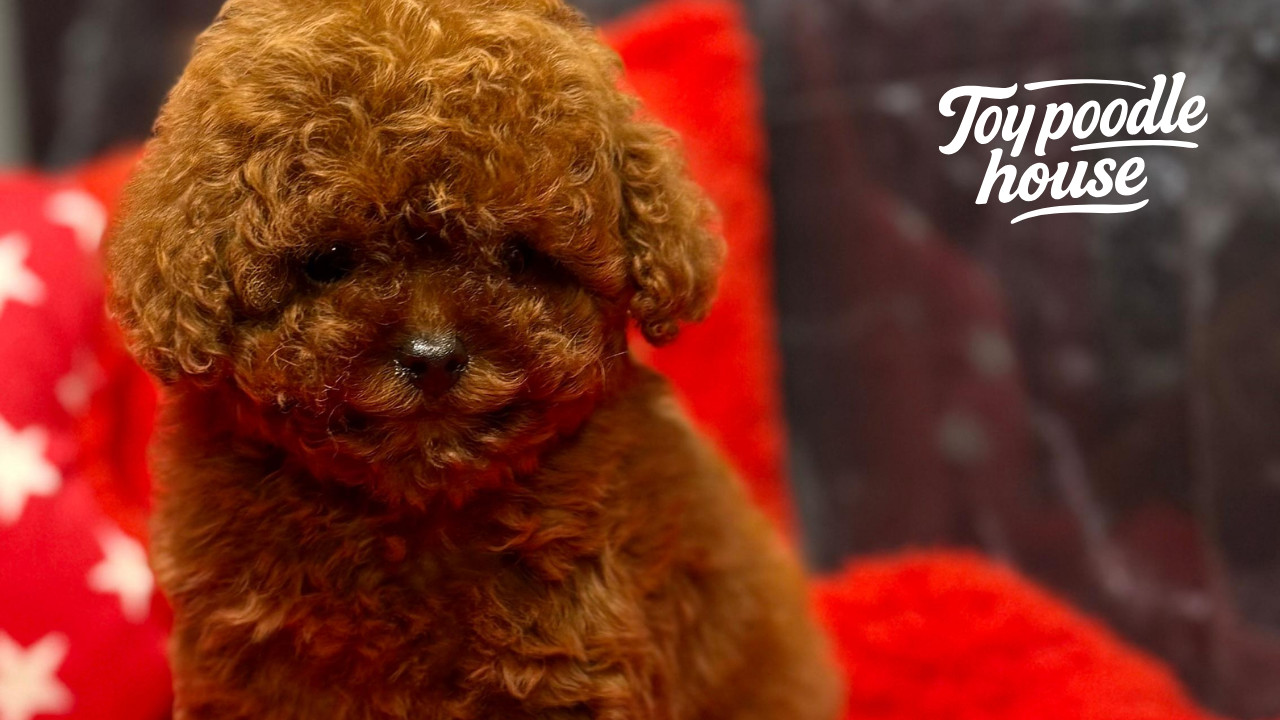
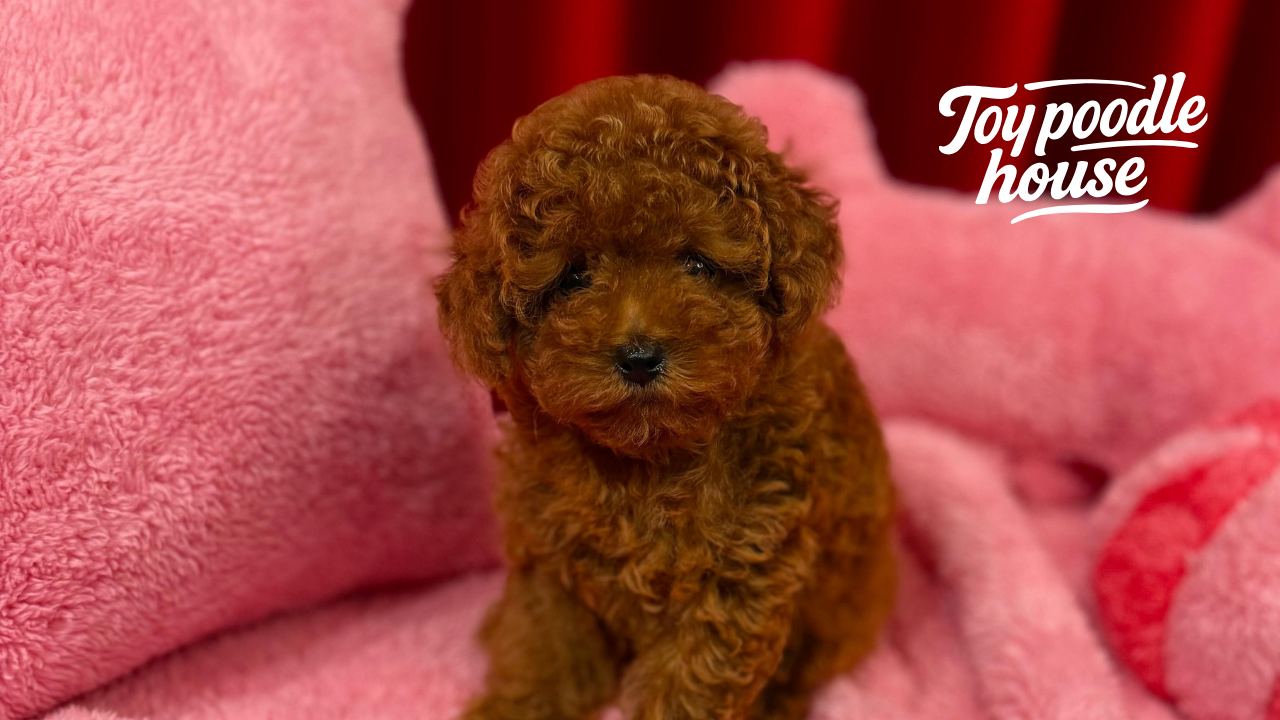
And now, we come to the darlings of Toy Poodle House: the Toy Poodles! These tiny friends are the smallest members of the Poodle family. Toy Poodles are the perfect fit for people living in the city, in apartments, or for anyone looking for a friend who takes up less space but is a huge source of love. Their cuteness, playful spirit, and endless affection are enough to brighten every moment of your day.
- Adult Size: Toy Poodles’ shoulder height is generally between 24 and 28 cm. This truly makes them a “toy-sized” dog.
- Adult Weight: They only weigh between 2 and 4 kg. Their lightness makes them an ideal travel companion that you can take with you everywhere.
- Growth Process: Toy Poodles are the fastest-growing members of the Poodle family. They usually reach their adult size within 8 to 10 months. During such a rapid growth process, proper nutrition and veterinary check-ups become even more important. Foods specially formulated for their small bodies support their bone and muscle development.
- Temperament: They are loving, playful, intelligent, and extremely loyal. They show incredible devotion to their owners and always love to be the center of attention. They are easy to train and quickly learn commands. However, despite being small, they need regular mental stimulation and socialization. Otherwise, they can develop behavioral problems like small dog syndrome. At Toy Poodle House, we place the utmost importance on both the physical and mental development of our puppies, preparing them in the healthiest and happiest way for their new families.
2. The Fascinating Growth Stages of Poodle Puppies: From Tiny to Grand
Every stage a Poodle puppy goes through from birth to adulthood is a miracle. Watching their transformation from a tiny creature to an elegant adult is a unique experience that every Poodle owner will have. Here are the key stages in a Poodle puppy’s growth journey:
0-3 Months: Newborn and Weaning Period – First Steps, First Discoveries
This period is one of the most critical stages in a Poodle puppy’s life. Rapid growth and development are observed from birth.
- Weight at Birth: A Poodle puppy can be quite small at birth depending on its size. Toy Poodle puppies are usually born weighing between 100-200 grams, while Standard Poodle puppies can be around 300-500 grams.
- Rapid Weight Gain: The first few weeks are a period when the puppy rapidly gains weight by feeding on mother’s milk. Their weight usually doubles by the end of the first month. For example, a Toy Poodle puppy can reach a weight range of 500g to 1.5 kg during this period.
- Sensory Development: Their eyes and ears gradually open, and they begin to make their first discoveries about the world. Their sense of smell develops significantly.
- Weaning: The transition to solid food begins around 3-4 weeks of age. During this period, puppies should be given special, easily digestible puppy food. At Toy Poodle House, we meticulously manage the weaning process, supporting their healthy development with the highest quality and most nutritious foods.
- Start of Socialization: Their interactions with their siblings and mother during this period lay the foundation for their social skills. Human contact is also very important at this stage; gentle touches and loving approaches ensure they learn to trust people.
3-6 Months: Rapid Growth Phase – Energy Bursts and Curious Explorations
This is the period when the puppy grows fastest and their energy levels are at their peak. Bone and muscle development continue at a rapid pace.
- Size Increase: Miniature and Toy Poodles can reach up to 70%, or even 80%, of their adult size during this period. Standard Poodles, on the other hand, show a slower but steady growth.
- Bone and Muscle Development: The puppy’s skeletal structure and muscle mass significantly increase during this period. Therefore, puppy food rich in high-quality protein and minerals is vital.
- Teething: Puppy teeth fall out, and permanent teeth begin to emerge. Providing chew toys during this time can both soothe their gums and prevent them from chewing on unwanted items.
- Continued Socialization: This stage is ideal for introducing the puppy to new people, other dogs, and different environments. Positive socialization experiences ensure they become balanced and confident adults. It is also a great time to begin house training and basic obedience training.
6-12 Months: Adolescence and Transition to Adulthood – Balance and Maturity
This is the period when the puppy’s growth slows down, their muscle structure stabilizes, and they enter the maturation process.
- Slowing Growth: Toy and Miniature Poodles usually reach their adult size between 8-10 months, while Standard Poodles can continue to grow up to 12-18 months. During this period, weight gain slows, but muscle mass and body density continue to increase.
- Hormonal Changes: The puppy enters adolescence and undergoes hormonal changes. This can sometimes lead to small changes in behavior. Female Poodles may experience their first heat cycle.
- Behavioral Maturation: The puppy begins to exhibit more consistent and predictable behavior. Continuing their training and setting boundaries is very important during this period. Mental stimulation and new games help them expend their energy in a positive way.
- Transition to Adult Food: With the recommendation of your veterinarian, the transition from puppy food to adult food can be made. It’s important that this transition is slow and gradual.
3. Factors Affecting Your Tiny Friend’s Healthy Growth: Everything in Your Hands
There are some key factors you need to pay attention to for your Poodle to grow in a healthy, happy way, and in line with your expectations. Paying attention to these factors ensures they reach their full potential.
✅ High-Quality Food: The Foundation of Healthy Growth
One of the most important factors for your Poodle puppy’s growth is nutrition. The right food choice is critical for the development of bones, muscles, coat, and overall health.
- Age-Appropriate Food: Unlike adult food, puppy food is formulated to meet the high energy and nutritional needs of growing dogs. The balance of protein, fat, vitamins, and minerals is optimized for the puppy’s rapid development.
- Rich in Protein and Vitamins: High-quality animal protein sources (such as chicken, lamb, fish) are essential for muscle development. Vitamins A, D, E, and the B-group are important for overall health, the immune system, and energy metabolism.
- Mineral Balance: The balance of calcium and phosphorus, in particular, is critical for bone and dental health. The correct ratio of these minerals ensures a healthy development of the skeletal system. Too much calcium, just like too little, can lead to problems.
- Special Formulas for Small Breeds: Foods specially produced for small breeds like the Toy Poodle have kibble sizes suitable for their small mouths and energy density appropriate for their fast metabolism. At Toy Poodle House, we plan our puppies’ nutrition down to the smallest detail, offering them specially prepared, nutrient-rich foods.
✅ Regular Veterinary Check-ups: Safe and Controlled Development
Veterinary check-ups are indispensable for monitoring your puppy’s healthy growth and for the early detection of possible health issues.
- Vaccination Schedule and Parasite Control: The puppy’s initial vaccinations and regular parasite treatments protect it from diseases. This is vital, especially for Poodles who are in crowded environments.
- Growth Monitoring: The veterinarian monitors the puppy’s weight gain, height increase, and overall physical development. They can intervene if there are any deviations.
- Bone and Joint Health: Poodles, especially Standard Poodles, can be prone to genetic joint problems like hip dysplasia. Regular check-ups and supplements when necessary can help prevent such issues. In Toy Poodles, problems like patellar luxation (slipping kneecap) can occur. Your veterinarian will assess these risks and inform you about preventive measures.
- Nutrition and Exercise Consultation: Your veterinarian can provide you with personalized advice on nutrition and exercise programs suitable for your puppy’s age, size, and activity level.
✅ Exercise: Channeling Energy in the Right Way
Poodles, regardless of their size, are energetic and intelligent dogs. Regular exercise is important not only for their physical health but also for their mental stimulation.
- Daily Walks and Playtime: Each Poodle type has a different exercise need. Standard Poodles need long walks and runs, while for Miniature and Toy Poodles, daily short walks and indoor games may be enough. However, their small size does not reduce their desire to play and explore. Puzzle toys, hide-and-seek, or fetch activities keep them mentally active as well.
- Avoid Over-Exercising: Especially during puppyhood, as their bone and joint development is ongoing, overly strenuous or tiring exercises should be avoided. Activities like climbing stairs or jumping from high places can damage their young joints. Allow your puppy to expend its energy in a controlled manner.
- Socialization Exercise: Dog parks or controlled areas are great places for your Poodle to socialize with other dogs and expend its energy. However, it’s important to avoid crowded dog parks before your puppy’s vaccinations are complete.
✅ Genetic Factors: Provenance Matters
Genetic factors play a decisive role in a Poodle puppy’s adult size and overall health.
- Parental Size: The size of the puppy’s mother and father is the most important indicator in determining its estimated adult size. A reputable breeder can provide you with information about the size of the parents and even the adult size of previous litters.
- Genetic Health Tests: Poodles can be susceptible to some genetic diseases (e.g., progressive retinal atrophy – PRA, patellar luxation, Von Willebrand’s disease). Reputable breeders can provide documentation that the parents have been genetically tested for these diseases and are healthy. These tests are one of the most important steps to ensure your puppy lives a healthy life. At Toy Poodle House, we ensure that the parents of our puppies have passed all genetic health tests and are healthy before breeding. This provides you with peace of mind.
4. Things to Consider Before Adopting a Poodle: The Right Choices for a Happy Life
Adding a Poodle to your life can be one of the best decisions you’ll ever make. But there are some important points to consider when making this decision. Making the right start ensures that both you and your tiny friend will have a long and happy life.
Choosing a Breeder: A Start in Trustworthy Hands
One of the most important steps when adopting a Poodle is to choose a reliable and trustworthy breeder.
- Certified and Reputable Breeders: Reputable breeders prioritize the health and well-being of the dogs. The living conditions of the dogs should be clean, orderly, and full of love. A certified breeder will give you transparent information about the puppies’ parents, health history, and genetic tests.
- References and Visit Opportunity: You can ask the breeder for references and, if possible, visit the kennel to see the living conditions of the puppies and parents with your own eyes.
- Contract and Guarantee: Reputable breeders usually offer a sales contract and provide a health guarantee for genetic diseases that might appear within a certain period.
- The Toy Poodle House Difference: At Toy Poodle House, we offer complete transparency regarding the health, happiness, and genetic purity of our puppies. Our puppies are raised with love, receive regular veterinary check-ups, and are prepared to start a healthy and happy new life with their families. We are proud to connect you with puppies that have had all their health checks, received all necessary vaccinations, and passed genetic tests.
Size Expectation: A Friend That Fits Your Lifestyle
Deciding which Poodle size is right for you depends on your lifestyle and expectations.
- City Life and Small Spaces: If you live in an apartment, have a small house, and are looking for a friend with less exercise needs, the Toy Poodle is ideal for you. They have a huge personality despite their small size and love being lap dogs.
- Medium Size and Adaptability: If you are looking for a dog that can be comfortable at home and also be active outdoors, the Miniature Poodle might be a good option. They are also adaptable to apartment life but need a bit more exercise.
- Active Life and Large Spaces: If you have a large house or a garden, and you regularly go on long walks or play sports, a Standard Poodle can be a wonderful companion. They need space to expend their energy.
Health Tests: Assurance for the Future
When adopting a puppy, it’s critically important to ensure that the puppies and their parents have undergone genetic health tests to prevent possible health issues you might face in the future.
- Possible Diseases: There are some genetic predispositions specific to the Poodle breed. For example, Progressive Retinal Atrophy (PRA) is an eye disease that can lead to vision loss. Patellar Luxation is a condition where the kneecap slips out of place, and it can be seen in small breeds. Von Willebrand’s Disease is a bleeding disorder that affects blood clotting.
- Test Results: A reliable breeder will show you the genetic test results of the parents for these diseases. These tests help determine whether the puppy also carries these genes or its risk of contracting the disease.
- Vaccination Record and Health Records: When adopting a puppy, don’t forget to check the vaccination record and all health records. This shows the vaccinations and parasite treatments the puppy has received.
F.A.Q. – Frequently Asked Questions About Poodle Growth
We’ve compiled and answered the most common questions from people considering adopting a Poodle or current Poodle owners, from our expert perspective:
❓ At what age do Poodles stop growing? The time it takes for Poodles to reach their full adult size varies by size:
- Toy Poodles: They usually reach their full size in 8-10 months. After this period, their height stops increasing, but their muscle structure and density may increase slightly more.
- Miniature Poodles: They reach their full size in approximately 10-12 months.
- Standard Poodles: They are the slowest-growing type. It can take them 12 to 18 months to reach their full size and complete their muscle development. In some cases, it can extend to 24 months.
❓ How does my Poodle’s size relate to its parents? Genetic factors are the biggest determinant of your puppy’s adult size. Generally, a Poodle puppy will reach a size close to the average of its parents. Therefore, choosing a reliable breeder and getting information about the parents’ sizes is very important. At Toy Poodle House, we transparently share the size and genetic information of our puppies’ parents. This way, you can make the most accurate prediction about how big the puppy you’re adopting will grow.
❓ What should I do to make my Poodle grow faster? Instead of using artificial methods to speed up your Poodle’s growth, it’s best to support a healthy and natural growth process. The best methods are:
- Balanced and High-Quality Nutrition: Choose a food that is rich in protein and vitamins and is appropriate for their age and size. Puppy foods are formulated to meet the special needs of the growth period.
- Regular Veterinary Check-ups: Monitoring your puppy’s overall health and getting regular vaccinations and parasite treatments are the foundation of healthy growth.
- Sufficient and Controlled Exercise: Ensure your Poodle gets exercises appropriate for its age and size. Avoid activities that are excessive or can harm their joints.
- Loving and Stress-Free Environment: Stress can negatively affect growth hormones. Providing a loving, safe, and peaceful environment contributes to your puppy’s healthy development.
- Remember, every dog grows at its own pace. Rapid growth can lead to bone and joint problems. Supporting a natural and healthy growth process is the best approach.
❓ What’s the difference between a Toy Poodle and a Miniature Poodle? The main difference between a Toy Poodle and a Miniature Poodle is their adult size:
- Toy Poodle: Adult shoulder height is a maximum of 28 cm. Their weight generally ranges from 2-4 kg. They are the smallest members of the Poodle family.
- Miniature Poodle: Adult shoulder height is between 28-38 cm. Their weight generally ranges from 5-9 kg. They have a medium-sized build.
- Both types are intelligent, affectionate, and energetic, but the size preference is important depending on your living space and expectations.
❓ How can I estimate my Poodle’s adult size? There are a few ways to estimate your puppy’s adult size, but the most accurate predictions are always based on genetic factors:
- Parental Size: This is the most reliable indicator. Knowing the parents’ sizes gives you a very good idea of how big your puppy will get.
- Paw Size: If a young puppy’s (3-4 months old) paws seem large in proportion to its body, it might tend to be larger as an adult. However, this is not a definitive indicator.
- Growth Charts: Your veterinarian can monitor your puppy’s weight and height increase from birth on a growth chart. These charts show the puppy’s growth trend and can help estimate its adult size.
- Breeder’s Estimate: A reliable breeder, using their own experience and information about the puppies’ genetic background, can give you the most accurate estimate.
Toy Poodle House for a Happy Start with Your Tiny Friend
Poodles, although they have different needs based on their size, are each unique friends ready to add joy to your life with their intelligence, elegant structure, and endless love. Toy Poodles, in particular, with their huge hearts in tiny bodies, are an indispensable source of joy in city life. Their adorable nature, playful attitude, and people-loving temperament are enough to brighten your day.
At Toy Poodle House, with our love for this special breed, we not only offer you healthy and purebred puppies, but we also provide all the necessary information and support for them to grow in the best possible way. Our puppies are lovingly and carefully raised in a loving environment, have all their health checks completed, and are prepared to make a healthy and happy start with their new families.
If you have decided to make room in your heart for a Poodle, want to share your life with a tiny friend, and it is important for you to adopt from a reliable source, you are in the right place! By contacting us, you can meet our adorable puppies and start one of the most beautiful friendship stories of your life. Toy Poodle House is always ready to support you and your new tiny friend! 🐩💖