Hello, dear pet lovers! As the Toy Poodle House family, we want to address one of the most frequently asked questions about our little friends: How long do Poodles live? The answer to this question is actually one of the first things on the mind of anyone considering adopting a Poodle. Knowing how long we’ll be together reminds us once again how valuable the bond we form with these adorable companions is. In this article, we will share all the details with you in a sincere tone, from the average lifespan of Poodles to the factors that affect their longevity and what we can do to offer our unique friends a longer, healthier, and happier life.
The Poodle breed, with its intelligence, elegance, and cheerful character, is one of the most beloved dog breeds in the world. These wonderful dogs, which have a different beauty and personality in every size, can be your best friend for many long years with proper care and love. Let’s discover the average lifespan of Poodles and the secrets to giving them a long life together.
Average Lifespan of Poodle Dogs: Differences by Size
Poodles are generally considered a long-living dog breed. However, the lifespan of these adorable companions varies according to their size. If you are thinking of adopting a tiny Toy Poodle, the chances are high that the years you spend together will be longer.
- Toy Poodle: The average lifespan of these tiny, toy-like friends is between 12 and 16 years. However, with proper care and a healthy genetic structure, there are examples that extend this period much longer.
- Miniature (Mini) Poodle: These elegant medium-sized Poodles have a lifespan of 12 to 15 years. Although they are slightly larger than Toy Poodles, they are still very long-lived companions.
- Standard Poodle: The largest Poodle breed, Standard Poodles, generally live for 10 to 14 years. Considering that the lifespan of large breeds is usually shorter, this period is quite satisfactory.
As a general rule, we can say that smaller dog breeds live longer than larger breeds. However, these periods depend on many factors such as your dog’s genetic makeup, nutrition, care, and lifestyle. In short, how long that tiny Poodle puppy you are holding will live depends largely on the love and careful care you show it.
The Most Important Factors Affecting a Poodle’s Lifespan: Key Points for a Healthy Life
There are many important factors we need to pay attention to for a Poodle to live a long and healthy life. Each of these directly affects our friend’s quality of life and longevity. Here are the most important factors that will help you extend your Poodle’s life:
1. Genetic Makeup and Breed Health: Strong Foundations
One of the most important factors determining a dog’s lifespan is its genetic heritage. Although Poodles are generally a healthy breed, they can unfortunately be prone to certain hereditary diseases. These diseases can shorten their lifespan if not diagnosed and treated in time.
- Hip Dysplasia: A joint problem seen more frequently, especially in Standard Poodles. It leads to pain and limited mobility as a result of the hip joint not developing correctly.
- Eye Problems: Eye problems like cataracts are common in Poodles as they age.
- Epilepsy and Skin Allergies: Epilepsy with seizures and various skin allergies are other hereditary diseases that can be seen in Poodles.
At Toy Poodle House, we attach great importance to the genetic health of our puppies. During our breeding process, we regularly have genetic tests done on the parents and only allow them to mate with individuals with healthy genes. Our goal is to raise healthy generations that are resistant to genetic diseases and to offer you puppies that you can safely adopt and will be by your side for many years. Regular veterinary checkups for our puppies and raising them in the best conditions ensure they step into a healthy future.
2. Nutrition and Diet: Fuel for a Healthy Body
The saying “you are what you eat” is also true for our dogs. A quality and balanced diet is one of the most important steps to extend your Poodle’s life. What you need to pay attention to when choosing quality food:
- High-Protein Foods: Poodles are energetic dogs and need a high amount of animal protein for their muscle health. Meat-based, high-protein foods are ideal for their health.
- Grain-Free and Natural Ingredient Foods: Grains like corn and wheat can cause allergies in some Poodles. Grain-free foods with natural ingredients support their digestive systems and reduce the risk of allergies.
- Portion Control: Obesity is a serious health problem for Poodles. Excess weight can lead to many problems, from joint diseases to heart problems. Sticking to the amounts indicated on the food package and avoiding giving too many treats helps our friend maintain their ideal weight.
Remember, every age group has different nutritional needs. Using special foods appropriate for your dog’s age during the puppy, adult, and senior periods contributes to its living a healthy life.
3. Exercise and Physical Activity: For Both Body and Mental Health
Poodles are known not only for their beautiful coats but also for their intelligence and high energy. Regular exercise is vital not only for their physical health but also for their mental well-being.
- Daily Walks: Regular daily walks strengthen their muscles, control their weight, and ensure their digestive system works regularly.
- Playtime: Activities like fetch, ball chasing, and tug-of-war not only increase their physical activity but also strengthen their bond with you.
- Puzzle Toys: Poodles are very intelligent dogs. Puzzle toys and intelligence games keep them mentally engaged and prevent boredom. A Poodle that is mentally active lives a happier and more peaceful life.
A Poodle that doesn’t get enough exercise can experience both physical and psychological problems. This can negatively affect their quality of life and longevity.
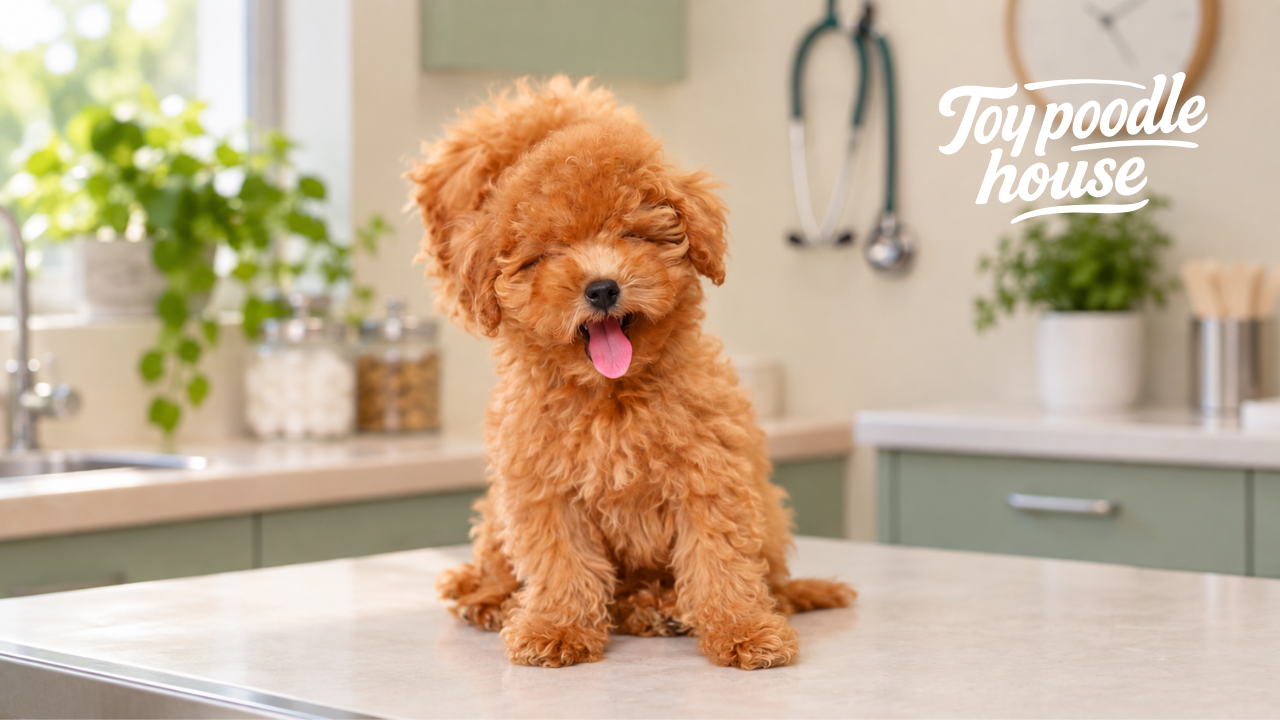
4. Regular Vet Checkups: Early Diagnosis Saves Lives
Just as in humans, regular health checkups in dogs ensure the early detection of possible diseases.
- Annual Vaccinations: Following your dog’s vaccination schedule protects it against fatal diseases.
- Parasite Treatments: Regular protection against internal and external parasites is very important for your friend’s health.
- Routine Health Screenings: For senior Poodles, especially, annual blood tests and other health screenings help to detect possible diseases like kidney, liver, or heart problems early.
Remember, early diagnosis of a disease increases the chances of treatment and prevents your dog from suffering. Therefore, it is very important to stay in regular contact with your veterinarian and follow their recommendations.
5. Coat Care and Hygiene: A Showy Coat and More
The curly, hypoallergenic coat of Poodles has a special structure that requires regular care.
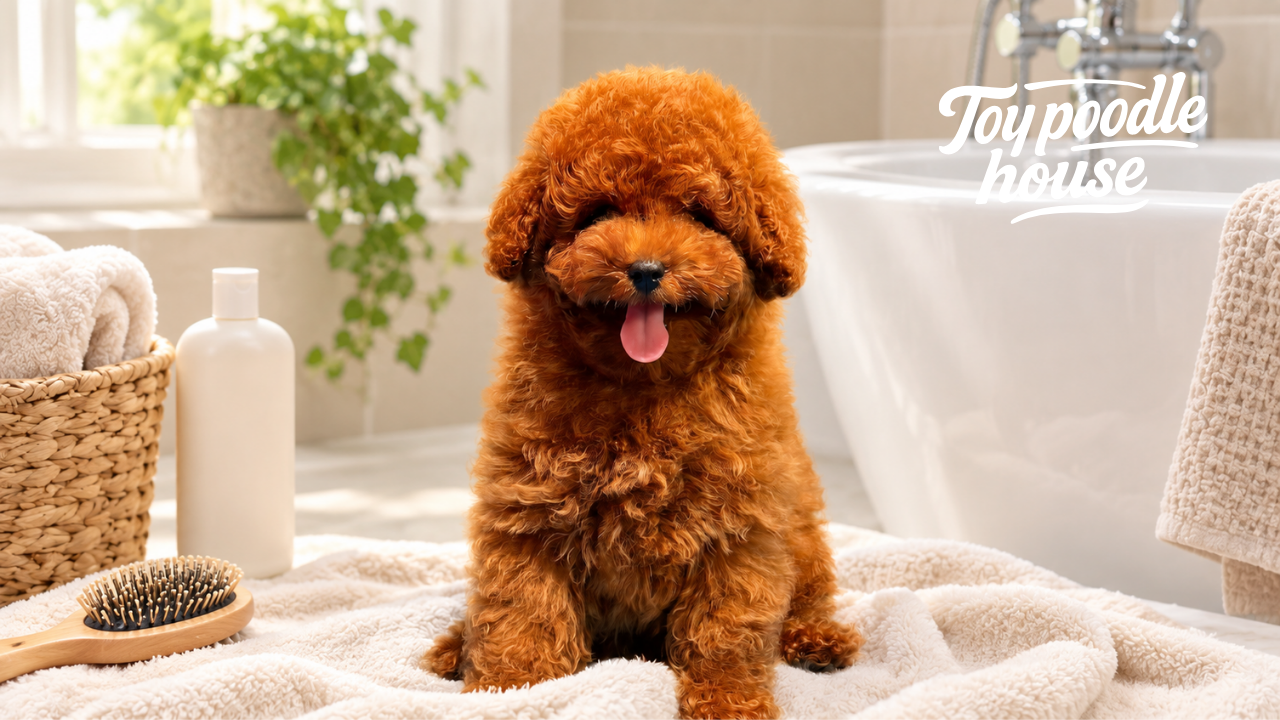
- Daily Brushing: Brushing daily or every other day is important to prevent matting of the coat. Matted coats can lead to skin problems and infections.
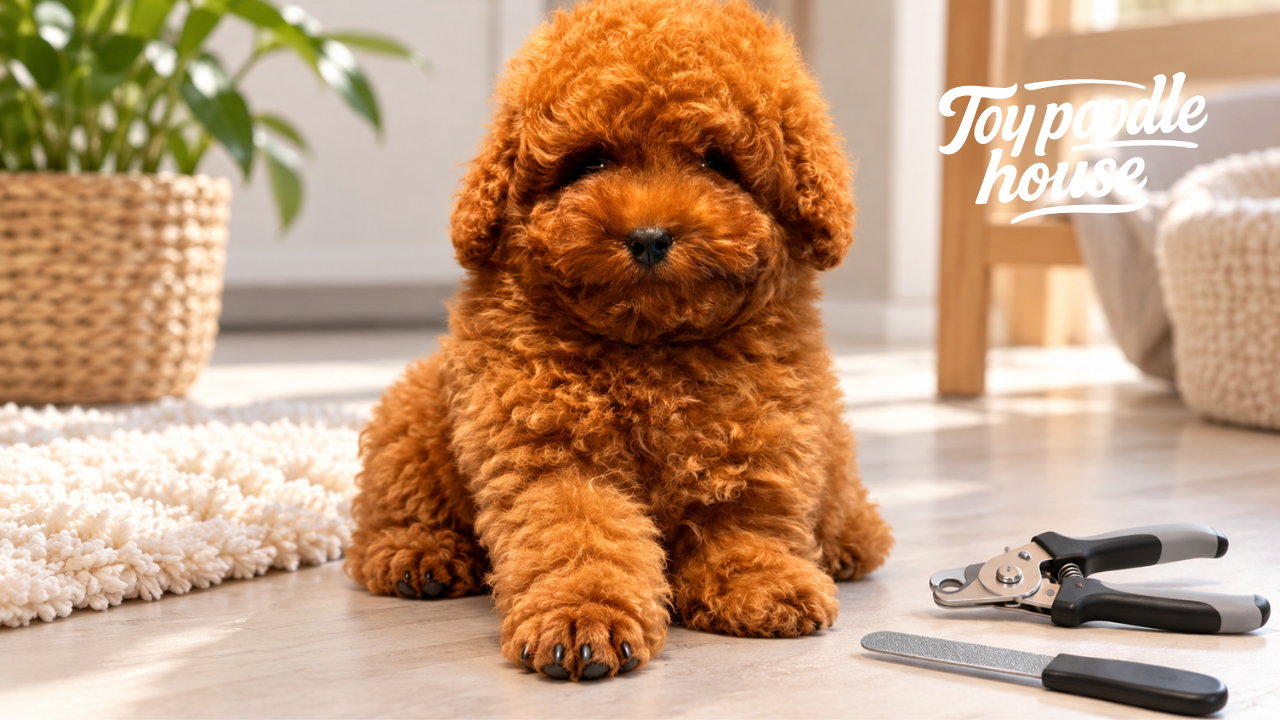
- Professional Grooming: Poodles require regular professional haircuts and grooming. This keeps their coats healthy and their skin aerated.
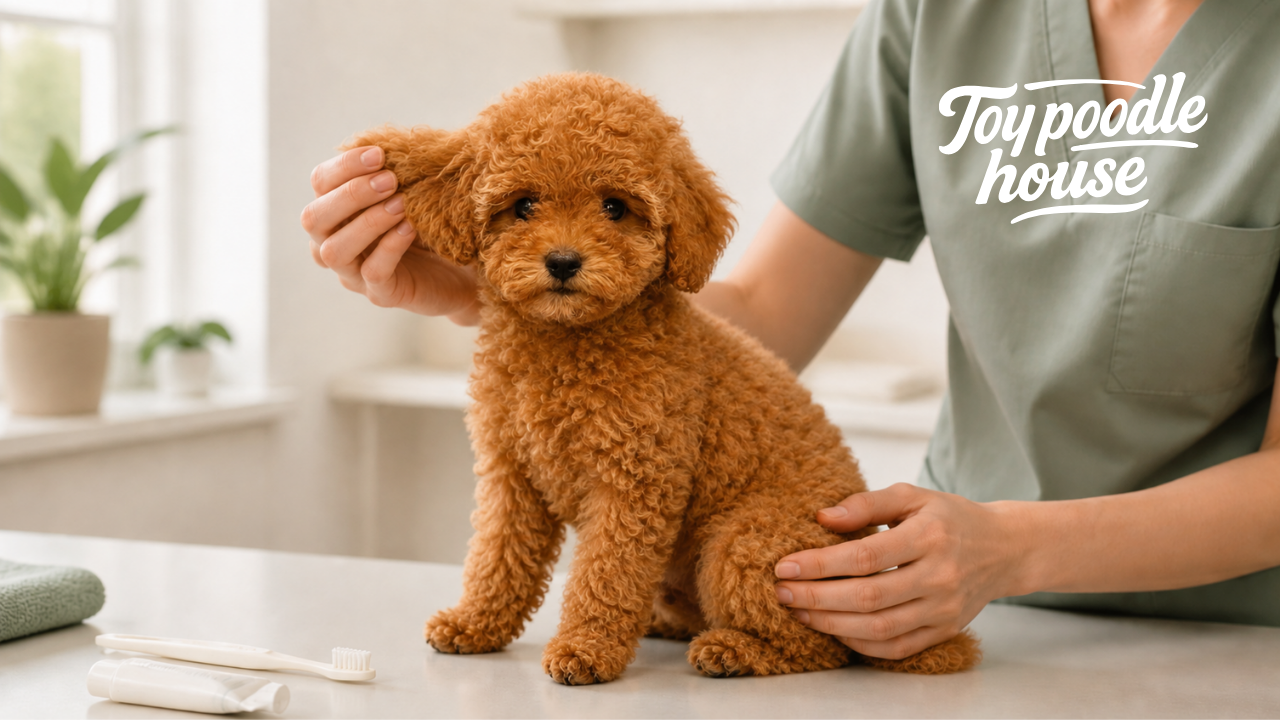
- Ear Cleaning: Poodles’ ears are prone to infections due to their floppy structure. Regularly cleaning the hair inside the ears and cleaning the ears with special solutions prevents ear infections.
Good coat care not only makes your dog look good but also protects its skin health and supports its overall hygiene.
Golden Tips You Can Apply to Extend Your Poodle’s Life
As a Poodle owner, there is a lot you can do to give them a long and happy life. Here are some important tips to help extend your friend’s life:
- Feed with Quality Food: Choose a high-protein, natural, and quality food that is appropriate for your Poodle’s age and size.
- Provide Regular Exercise: Keep them both physically and mentally active with daily walks and playtime.
- Give Importance to Dental Health: The buildup of tartar can lead to serious health problems. Protect their dental health with regular brushing, dental-friendly toys, and foods.
- Provide a Stress-Free, Happy Environment: Poodles are very attached and emotional dogs. Providing them with a loving, peaceful, and safe home is vital for their psychological health.
- Don’t Skip Age-Appropriate Vet Checkups: Regular vet checkups at every age from puppyhood to old age ensure your friend’s health.
- Show Your Love: Poodles are insatiable for love and attention. The more love you give them, the more love and happiness they will return to you. Remember, a dog’s best medicine is its owner’s love.
Frequently Asked Questions (F.A.Q.)
1. What is the longest-living Poodle on record? The longest-living Poodle on record lived for over 20 years. Of course, while such situations are exceptional, it is common to see Poodles live up to 18-19 years thanks to proper care, love, and genetic factors.
2. Why do Poodles live so long? There are several reasons why Poodles have a long lifespan:
- Genetic Makeup: They are a breed with a generally healthy genetic heritage.
- Small Size: Small breeds tend to age more slowly than large breeds.
- Quality Care: Good nutrition, regular exercise, and vet follow-ups directly extend the life of Poodles.
3. How do I know my Poodle is getting old? As your dog gets older, you may observe some physical and behavioral changes. These include:
- Slowing down and less energy in their movements.
- Lightening or graying of their coat color.
- Changes in appetite (either increasing or decreasing).
- A desire to sleep more and joint pain.
- Loss of sight or hearing. When you notice these symptoms, it is important to talk to your veterinarian to create a care plan appropriate for the senior period.
4. What should I pay attention to in the care of a senior Poodle? The care of a senior Poodle requires more special attention.
- Frequent Vet Checkups: Have checkups more often for the early diagnosis of diseases that may arise in old age.
- Senior Dog Food: Switch to special foods that are appropriate for their age, easy to digest, and support joint health.
- Comfortable and Warm Environment: Provide soft beds and a warm environment that will be good for their joints.
- Shorter Walks: Instead of reducing their exercise, reduce the load on their joints by taking shorter and more frequent walks.
5. Is there a health guarantee for puppies from Toy Poodle House? Yes, our biggest priority at Toy Poodle House is the health of our puppies. All our puppies undergo genetic health tests, have regular vet checkups, and are delivered to their families with their vaccinations completed. With our after-sales support service, we are always by your side during and after your puppy’s adjustment to its new home. We are committed to providing all the support necessary for you to adopt a healthy, happy, and long-lived friend.
Becoming a Family from Toy Poodle House: Not Just a Puppy, a Lifelong Companion
Adopting a Poodle is much more than just getting a pet. It is getting a life companion that will give you unconditional love and happiness throughout your life. Poodles are one of the creatures in this world that are most deserving of love and attention, and every love you show them will be returned to you many times over.
If you also want to adopt a healthy, long-lived, and loving Toy Poodle puppy, we welcome you to the Toy Poodle House family! 🐾 Remember, a Poodle’s life is directly related to the love, care, and quality attention you give it! ❤️
Cherish every moment you spend with your friend and do your best to offer them the best life they deserve. Wishing you a full life with your Poodle, with love!