Poodle Dog Characteristics and Care: Are You Ready to Get a Furry Friend That Will Add Joy to Your Life?
We all know the unique joy, warmth, and unconditional love that our furry friends bring to our lives. But what if we told you about a breed that can make you feel all these emotions and more, and will also win your heart with its intelligence, elegance, and curly hair? Yes, you guessed it right: Poodles! These wonderful friends, who have captured our hearts with their tiny sizes, especially the Toy Poodle and Miniature Poodle, are perfectly suited for city dwellers despite the limitations of apartment living. If you are also dreaming of sharing your home with a Poodle, you are in the right place! In this comprehensive guide, you will step into the fascinating world of Poodles and find answers to all your questions, from their characteristics to their care, nutrition, and training. Get ready, because Poodle love is about to knock on your door!
Entering the Poodle Universe: Why Should a Poodle Be a Family Member?
Poodles are among the most beloved and widely adopted dog breeds worldwide. This, of course, has its justified reasons. They are not just beautiful; they are also known for their extraordinary intelligence and cheerful, friendly personalities. When you start living with a Poodle, you are not just getting a pet, but a true family member who will add color to your life and share every moment with you. The origins of Poodles are actually much older than is commonly believed, tracing back to Germany, where they were originally bred for water retrieval. The word “Pudel” in German means “to splash in water,” which clearly highlights their abilities in the water. Over time, thanks to their elegant appearance and playful temperament, they became favorites of noble families and have maintained their popularity to this day.
The Mysterious World of Poodles: From Physical Characteristics to Temperament
Like every dog breed, Poodles have their own unique traits. Let’s take a closer look at the unique features that set them apart.
Varieties by Size: Which Poodle is Right for You?
Poodles are divided into three main categories based on their size. This allows them to adapt to different living spaces and needs.
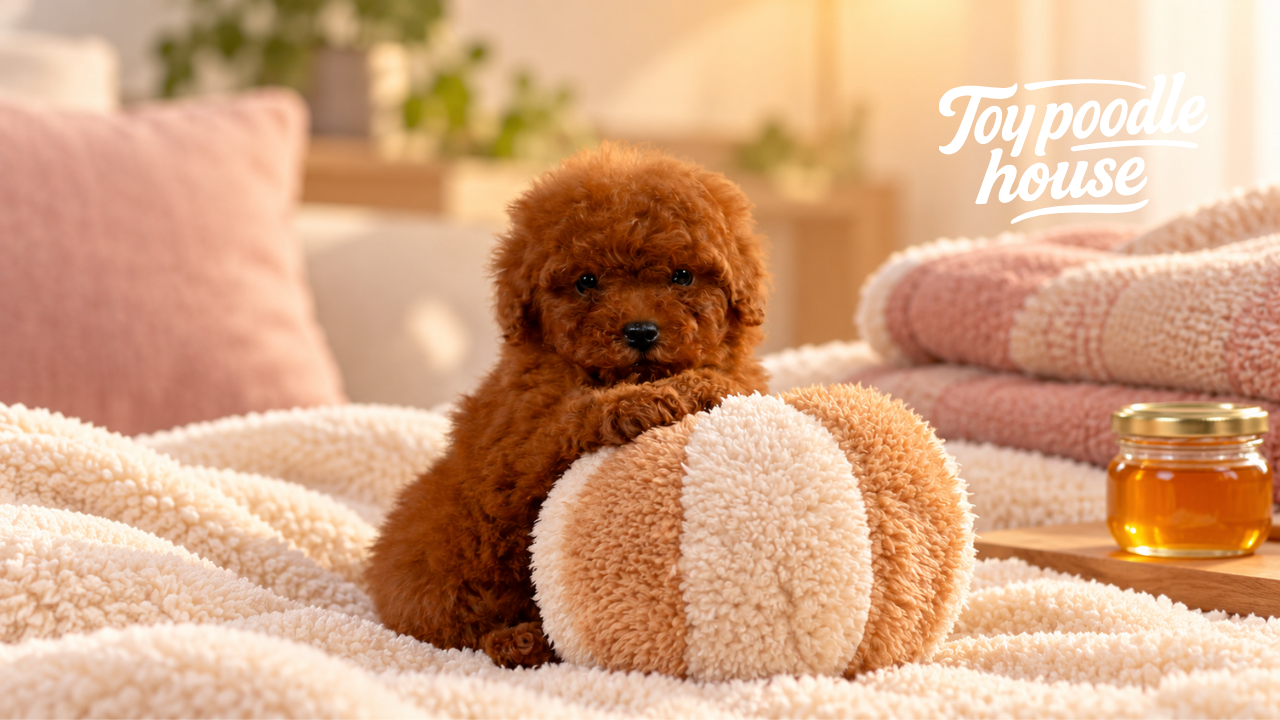
- Toy Poodle: The tiniest members of the Poodle family! They are on average 24-28 cm tall and weigh 2-4 kg. They are perfect lap dogs and are ideal for apartments and small homes. Despite their tiny bodies, they hold a great deal of energy and love. At Toy Poodle House, we are especially proud to connect you with these cute friends.
- Miniature Poodle: A bit larger than the Toy Poodle but still quite compact. They are generally 28-38 cm tall and weigh 4-6 kg. Like Toy Poodles, they are very adaptable to apartment living and are great companions for active families.
- Standard Poodle: The largest and most majestic members of the Poodle family. They can be 45-60 cm tall and weigh 20-32 kg. They need larger spaces and more exercise. They stand out with their energy and intelligence, making them ideal for families with an active and outgoing lifestyle.
Curly Coat Heaven: The Secret of Poodle Fur
One of the most distinctive features of Poodles is, of course, their unique coat structure.
- Hypoallergenic and Non-Shedding Coat: Poodles have curly and dense hair. One of the best parts is that this hair is hypoallergenic. This means they are much more suitable than many other breeds for people with allergies. Also, they do not shed heavily on a seasonal basis like other dogs. This means you will have much less hair to clean up at home, which is a big advantage for many people!
- The Dance of Colors: Poodles also captivate with the wonderful spectrum of colors that nature has given them. In addition to solid colors like white, black, gray, cream, brown, and apricot, there are also two-colored parti-colored Poodles. Each color adds a unique elegance and beauty to Poodles.
Character and Temperament: A Heart Full of Intelligence, Love, and Play
As much as their physical characteristics, their temperament also makes Poodles unique. When you touch a Poodle’s heart, you understand how special they are.
- Intelligent Companions: Poodles rank among the most intelligent dog breeds in the world. They are like sponges; they learn new commands, tricks, and even human behaviors at an incredible speed. This intelligence makes them successful in obedience training and advanced dog sports (agility, obedience). Training them is a fun and rewarding process for both you and your Poodle.
- Playful and Energetic Souls: Especially puppy Poodles are incredibly active. They love to play, run, and jump. It is very important for their physical and mental health to expend this energy with regular exercise and play. Puzzle games and interactive toys are great tools to keep their minds active.
- Social Butterflies and People-Oriented Companions: Poodles love to form strong bonds with people. For them, family is everything. They absolutely do not like to be left alone and enjoy being with their owners. Therefore, if you are not at home for long hours or cannot spend enough time with your Poodle, this breed may not be the best fit for you. They crave attention and love, and they reciprocate this with unconditional affection.
- Sensitive and Intuitive: Poodles are very good at sensing their owners’ emotional states. They become cheerful with you when you are happy and try to console you when you are sad. This intuitive nature makes them great therapy dogs.
Poodle Care: Every Touch Done with Love is Valuable
Poodle care is vital for them to be healthy, happy, and shiny. They need a regular care routine, especially because of their coat structure.
Coat Care and Brushing: The Key to Poodle Beauty
The care of a Poodle’s stunning coat is perhaps the most important thing for owners to pay attention to.
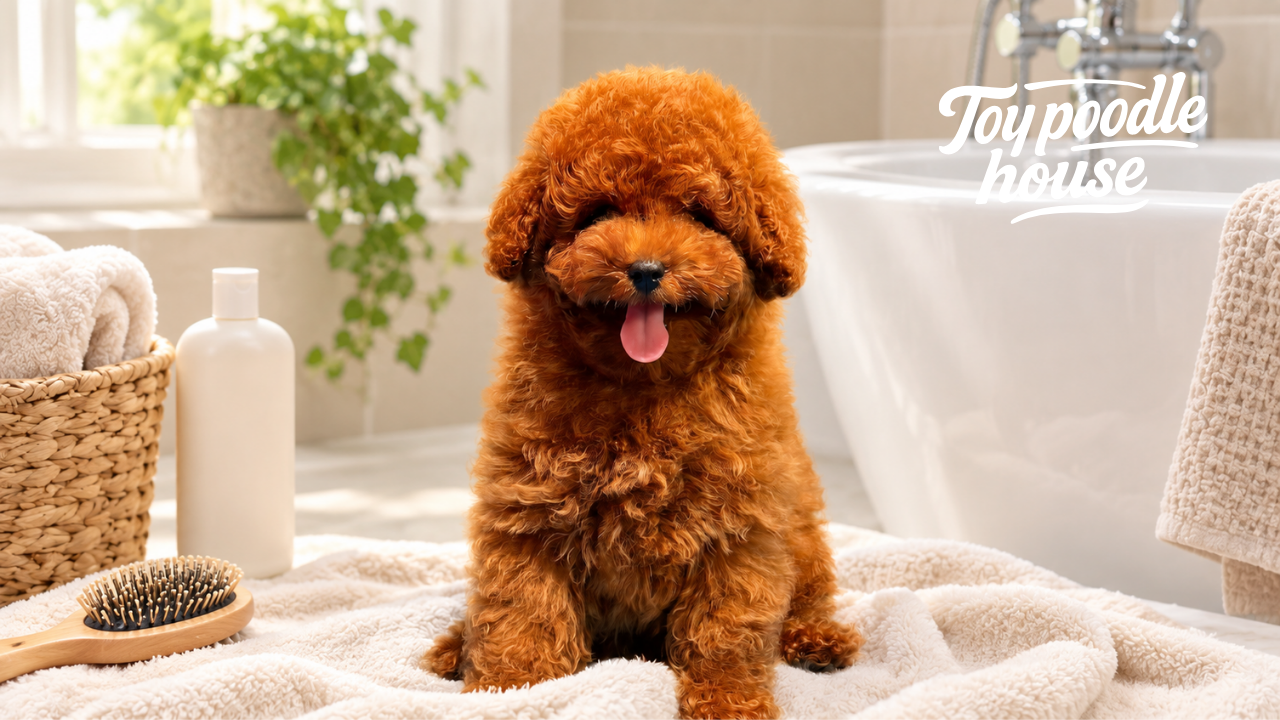
- Regular Brushing is a Must: A Poodle’s curly hair can easily get tangled and matted if not brushed regularly. This can lead to skin problems and discomfort. Therefore, it is very important to gently brush their hair with a special brush or comb at least 2-3 times a week. Pay attention to knots in areas prone to friction, such as behind the ears, armpits, and paws.
- Professional Grooming: Poodle hair grows continuously, and this growth makes professional help necessary for them to look well-groomed and healthy. It is recommended that you take them to a professional groomer every 6-8 weeks. Professional groomers will give them a cut suitable for their hair type, ensuring your Poodle looks stylish and healthy. Also, these grooming sessions are very important for untangling mats and allowing the skin to breathe. If you plan to do it yourself at home, you must use quality equipment and be careful.
- Eye Area Cleaning: The hair around a Poodle’s eyes can get stained, especially in light-colored Poodles. These stains can also create a breeding ground for bacterial infections. Therefore, it is important to regularly and gently wipe the eye area with a damp cloth or special eye cleaning solution.
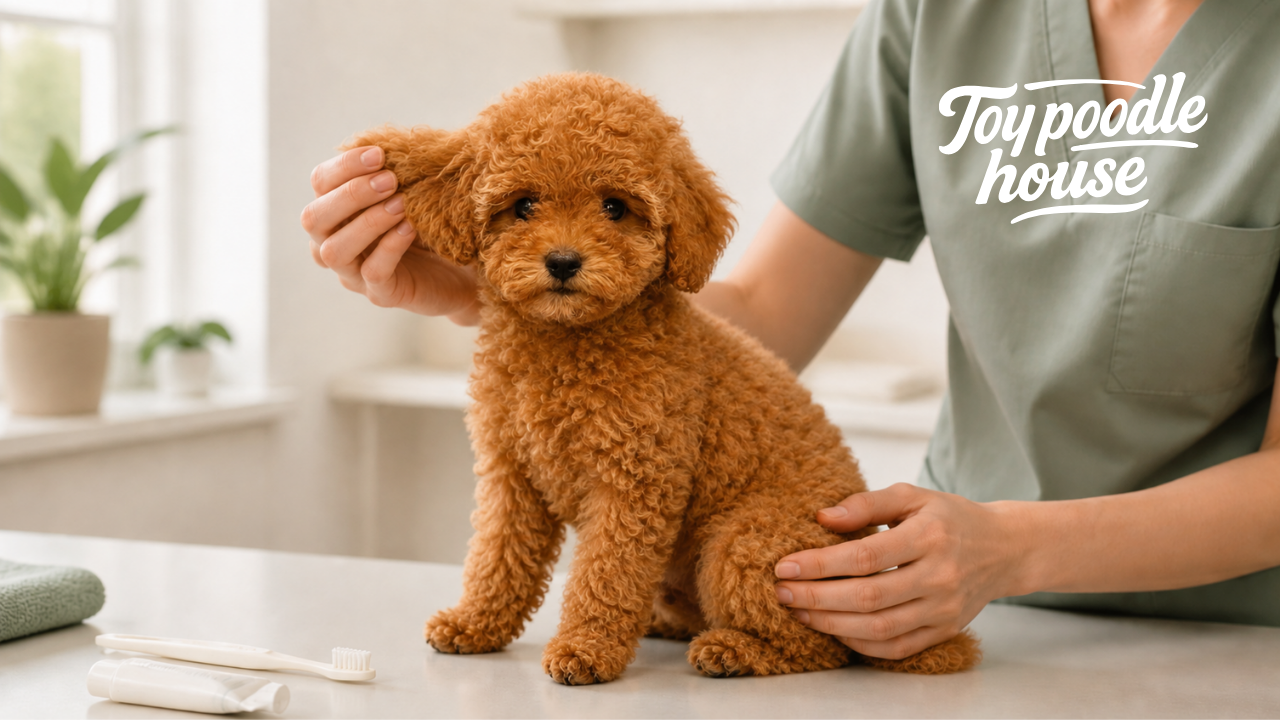
- Ear Care: A Poodle’s floppy ears create an environment with limited airflow. This means they are prone to ear infections. It is important to regularly clean the hair inside the ears and clean the ears with a special solution. If you notice a bad smell, redness, or discharge in the ear, consult your veterinarian immediately.
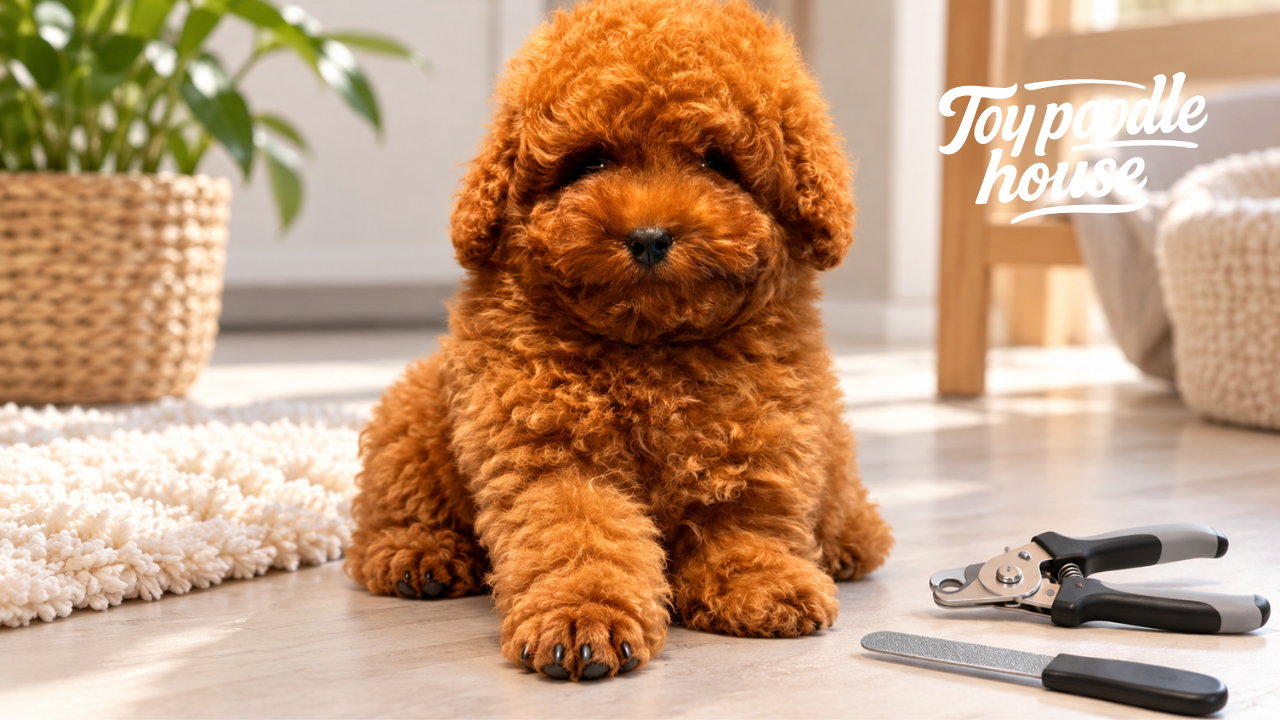
- Paw Care: When a Poodle’s hair on its paws gets long, it can get tangled between the nails and make it difficult for them to walk. This hair should be trimmed regularly, and the nails should also be clipped by your vet or a professional.
Nutrition and Diet: The Key to a Healthy Poodle
A proper nutrition program is a must for a healthy Poodle.
- Choose High-Quality Dry Food: It is very important to choose a high-quality dry food that is appropriate for your Poodle’s age, size, activity level, and potential sensitivities. Make sure the food contains high-quality protein sources (chicken, lamb, fish), healthy fats (Omega-3, Omega-6), and vitamins/minerals. Low-quality food can cause digestive problems, hair loss, and low energy.
- Portion Control: Obesity can lead to many health problems in dogs. Therefore, adjust the amount of food your Poodle should eat daily according to the instructions on the package or your vet’s recommendations. Avoid overfeeding.
- Treats and Supplements: Treats given during training should be within portion control and not overdone. If you think your Poodle needs a special supplement (for joint health, coat health, etc.), be sure to consult your vet. Be very careful with human foods; definitely avoid foods that can be poisonous to Poodles, such as chocolate, onions, and garlic.
- Fresh Water: Make sure they always have access to clean and fresh water.
Exercise and Play Needs: Directing Energy Correctly
Poodles are quite energetic dogs for their size and need to expend this energy.
- Daily Walks and Play: For Toy and Miniature Poodles in particular, 30-60 minutes of daily walking and play time will be sufficient. Standard Poodles, however, need more exercise. Regular walks, running, and playing fetch are very important for both their physical health and mental stimulation.
- Puzzle Games: Because Poodles are very intelligent, they need to be stimulated mentally as well as physically. Tools like puzzle toys, interactive feeders, and puzzles keep their minds active and prevent boredom. Training sessions are also an important part of this mental stimulation.
Health Checks and Vaccinations: For a Long and Healthy Life
Although Poodles are generally a healthy breed, they can be prone to some genetic diseases. Therefore, regular veterinary check-ups are very important.
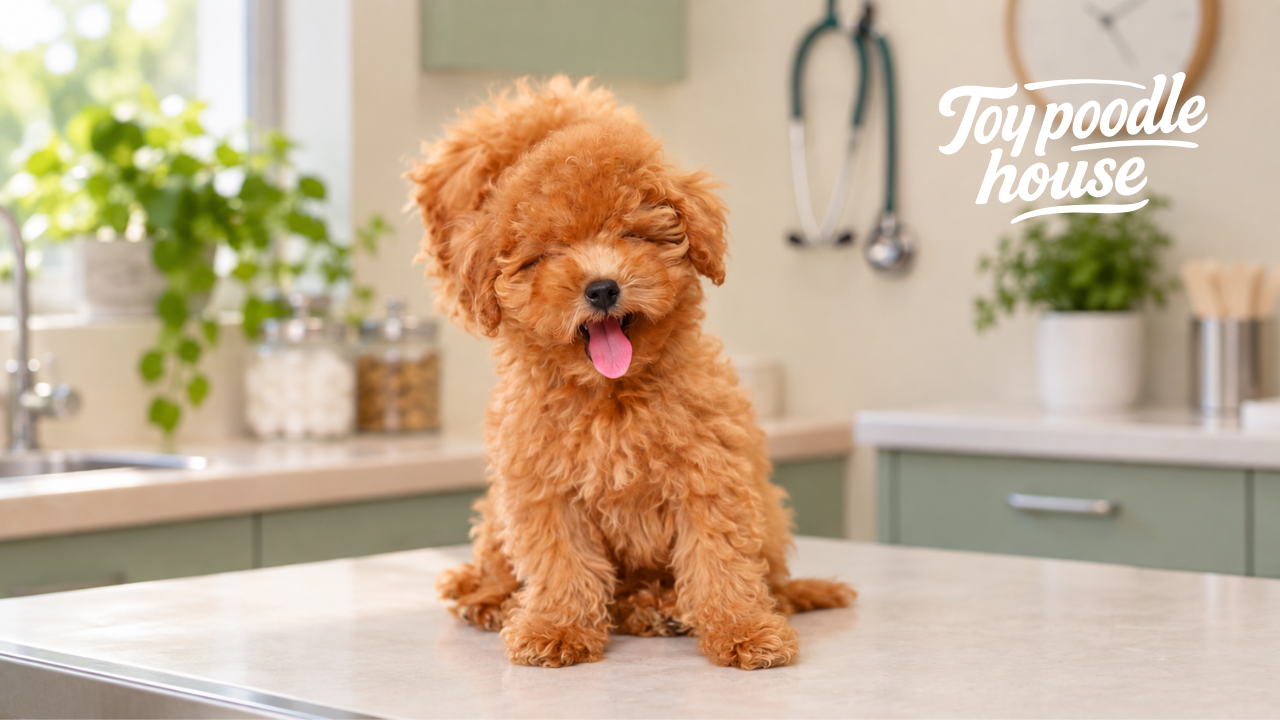
- Veterinary Check-ups: Take your Poodle to your vet regularly. Regular checks should be performed for diseases that can occur in Poodles, such as hip dysplasia, patellar luxation, eye problems (progressive retinal atrophy, cataracts), epilepsy, and ear infections. Early diagnosis plays a critical role in the treatment of many diseases.
- Vaccination Schedule and Parasite Treatments: Follow the vaccination schedule set by your vet completely. Vaccinations against diseases like rabies, distemper, and parvovirus are vital for your Poodle’s health. Also, don’t neglect parasite treatments (for fleas, ticks, heartworms, etc.). Parasites can threaten your Poodle’s health and also pose a risk of transmission to you and other pets.
- Dental Health: Tartar buildup and gum disease can be common in Poodles. Protect their dental health with regular teeth brushing, special dental chew toys, and periodic vet check-ups.
Things to Know Before Adopting a Poodle: Are You Ready?
Adopting a Poodle is a long-term and beautiful commitment. Before making this decision, there are some important points to consider:
- Long-Lived Friends: Poodles can live for an average of 12-15 years with good care. This means you need to be ready for a friendship that will last for many years.
- They Can’t Stand Being Alone: As we mentioned before, Poodles are people-oriented dogs and absolutely do not like to be alone. If you are unable to be at home for long hours and can’t give your Poodle enough attention and time, this breed may not be suitable for you. Separation anxiety can lead to behavioral problems in Poodles.
- Early Training and Socialization: Poodles are easy to train because they are intelligent, but it is very important for this training and socialization to start at a young age. Introducing a puppy to different people, other animals, and various environments ensures they become balanced and well-adjusted adults. Positive reinforcement methods (treats, praise) are the most effective approach in training. Never use harsh or punishing methods, as this will harm their sensitive souls.
- Financial Responsibility: Adopting a Poodle is not only about giving love and time; it also brings with it a serious financial responsibility. You will need to budget for food costs, vet check-ups, vaccinations, parasite medications, grooming supplies, professional grooming, toys, and potential health issues.
- Suitability for Apartment Living: Toy and Miniature Poodles are very suitable for apartment living due to their size and exercise needs. However, it is essential not to neglect their regular walks and playtime.
F.A.Q. (Frequently Asked Questions): All Your Questions Answered
Let’s clarify the questions that people thinking about adopting a Poodle are most curious about:
1. Do Poodle dogs shed? Great news! No, Poodles do not shed like other dog breeds. Thanks to their hypoallergenic coat structure, they are quite suitable even for people with hair allergies. However, “non-shedding” does not mean they don’t lose any hair. Old hairs shed but are held in the skin due to their curly structure, so these hairs need to be removed with regular brushing. Otherwise, matting and tangles will occur.
2. How active are Poodle puppies? They are quite energetic! Especially during puppyhood, they are little balls of energy. They need plenty of playtime and exercise during the day. Directing this energy correctly is very important for their healthy development and peace at home.
3. Is Poodle training difficult? It is definitely not difficult, on the contrary, it is very easy! Poodles are one of the most intelligent dog breeds in the world and learn new commands and tricks very quickly. They can be easily trained with positive reinforcement methods (treats, praise, games). Early training and socialization ensure they become balanced and well-adjusted adults.
4. Do Poodles get along with children? Yes, they definitely do! Poodles are wonderful friends for families with children because of their social and affectionate nature. They enjoy playing with children and spending time with them. However, as always, children should be taught how to interact with the dog gently and respectfully, and the interactions between the child and the dog should be supervised by an adult.
5. How long do Poodles live? On average, they can live for 12-15 years. It is possible to extend this lifespan with good care, a balanced diet, regular exercise, and vet check-ups.
6. What is the price of Poodles? Poodle prices vary depending on the dog’s size (Toy, Miniature, Standard), color, lineage (pedigree), the health tests of the parents, and the reputation of the breeder. Adopting a healthy, purebred, and pedigreed Poodle puppy may be a bit more expensive initially, but it is very important for preventing potential health problems and genetic disorders in the long run. At Toy Poodle House, we are waiting for you with our healthy, pedigreed, and loving puppies! The health, character, and the bond they will form with you are more important than anything else to us.
The Toy Poodle House Family is Waiting for You!
If you are also ready to add one of these intelligent, elegant, and loving friends to your life, we at Toy Poodle House would be happy to help you. Our puppies are raised with love and care, their health checks are done regularly, and all their needs are met completely until they are united with their new families. By visiting our website or contacting us, you can get more information about our available Poodle puppies, look at their cute photos, and even set up an appointment to meet them. Remember, adopting a Poodle is not just getting a pet, but adding immense love and happiness to your life. Join the Toy Poodle House family and experience this unique journey yourself! 🐩💖