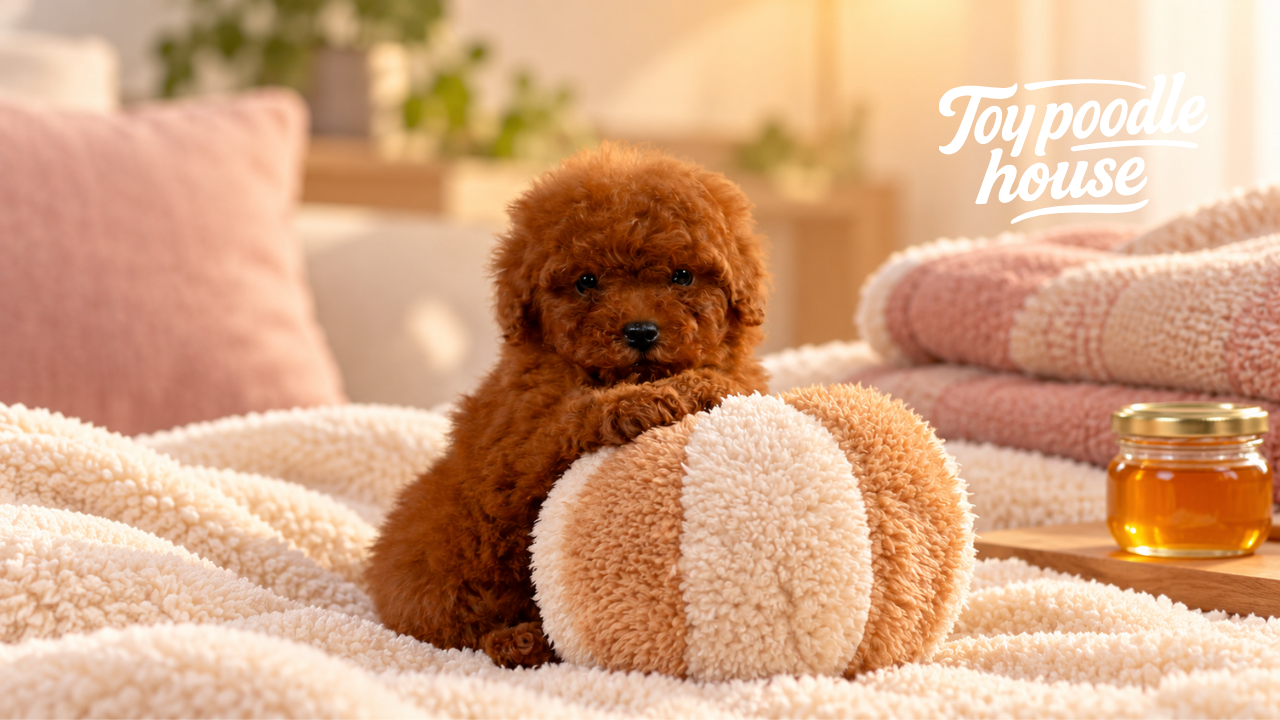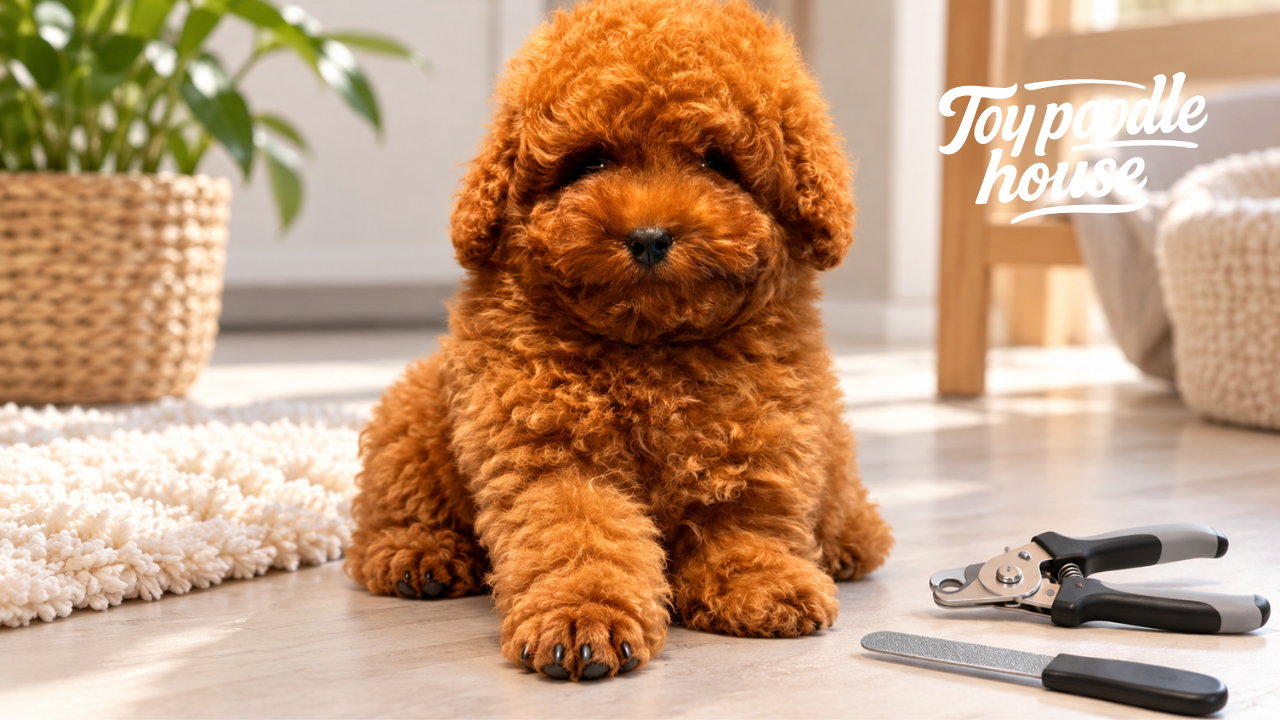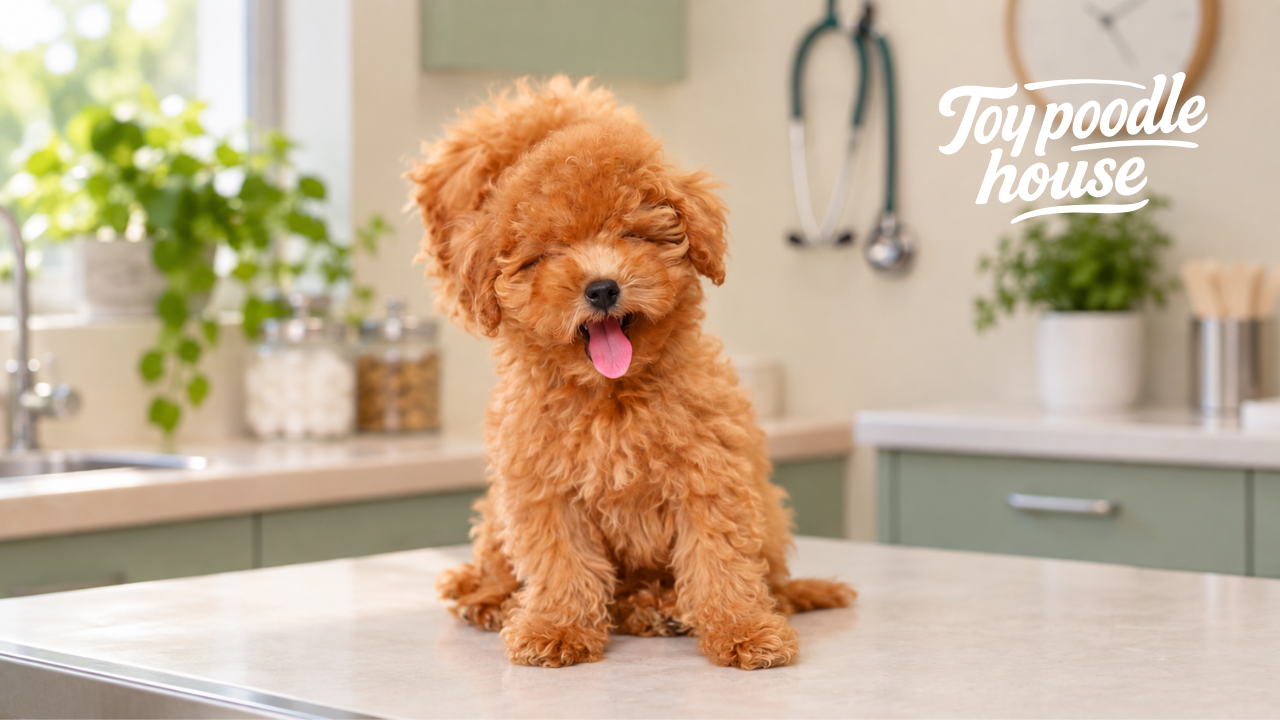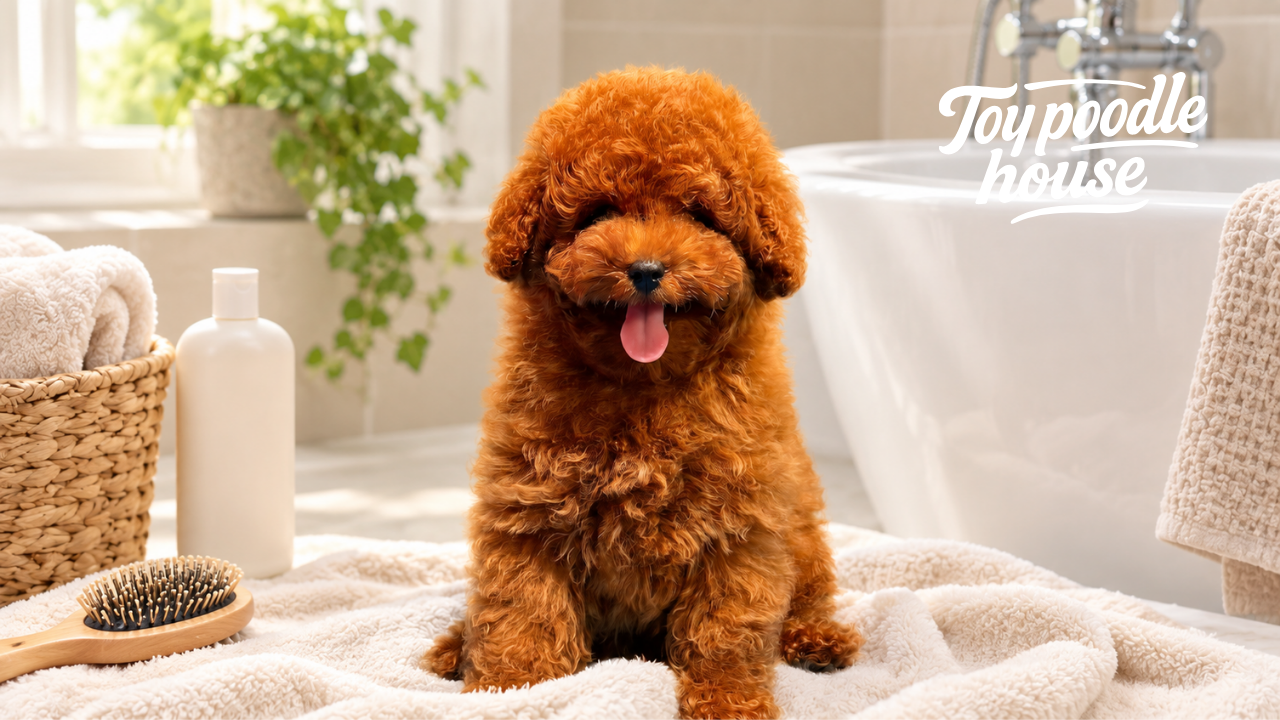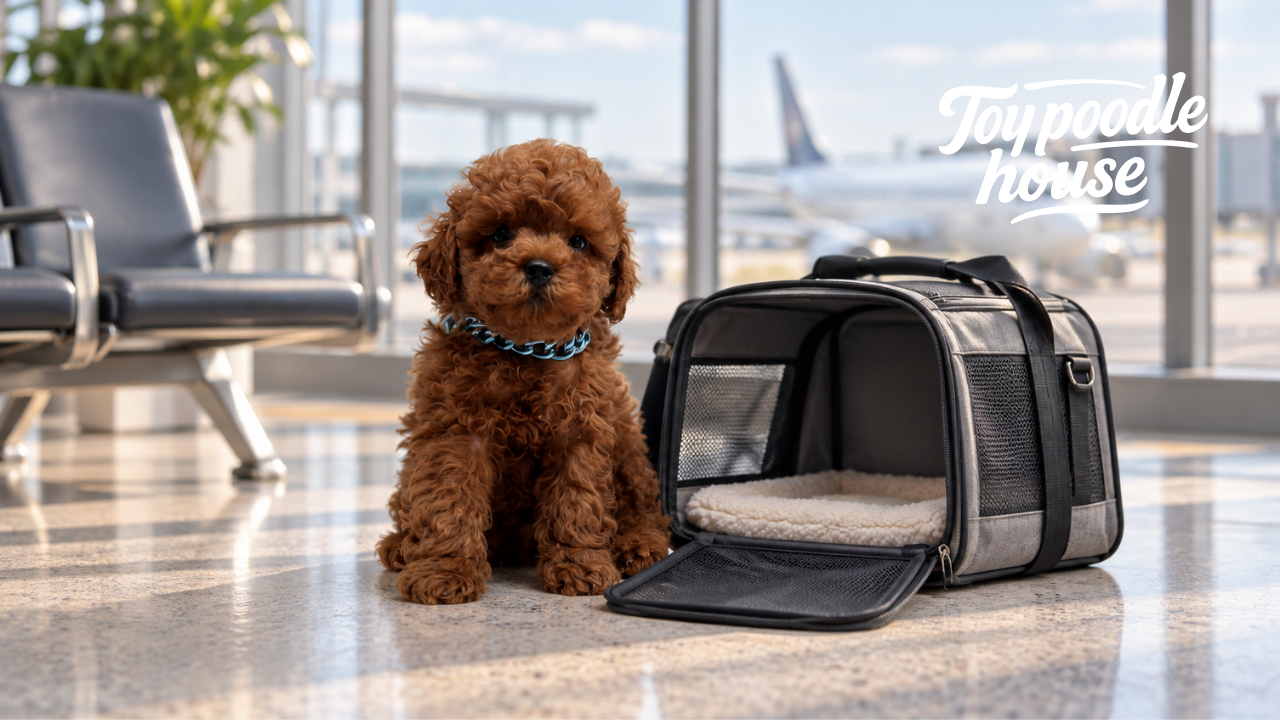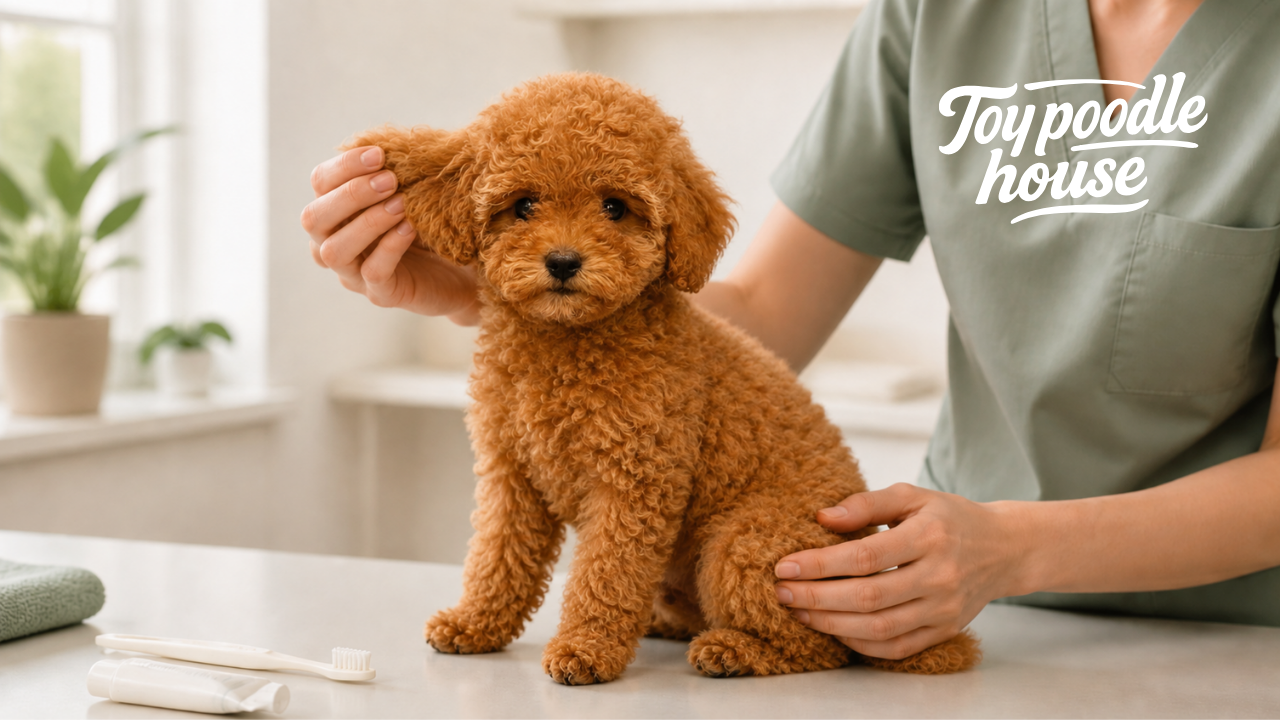
The Teacup Poodle has become one of the most searched small dog types in recent years. With its tiny body, curly coat, toy-like appearance and strong connection with people, it is easy to understand why so many families are interested in this little companion. For people looking for an intelligent, affectionate and apartment-friendly dog, the Teacup Poodle often appears as a very attractive option.
However, there is an important point that should be understood from the beginning. “Teacup Poodle” is not always recognised as a separate official breed category. In many cases, the term is used to describe very small individuals within the Toy Poodle size range.
In other words, when people search for a Teacup Poodle, they are usually looking for a very small Toy Poodle. But focusing only on size can be misleading. Health, parent information, pedigree, breeder reliability, coat care, feeding, training and early development are just as important as how small the puppy may stay.
Small dogs can look easy to care for from the outside, but in reality, they may require extra attention in some areas. A Teacup Poodle puppy can be delicate. Irresponsible breeding, poor nutrition, early separation from the mother, lack of veterinary checks or incorrect care can create serious problems later.
In this guide, we will cover the most common questions people ask about Teacup Poodles. What is a Teacup Poodle? How big does it get? How long does it live? Does it bark a lot? Can it live in an apartment? Does it shed? Is it hard to care for? Why do prices vary? And most importantly, how should you choose a healthy and reliable puppy?
What Is a Teacup Poodle?
A Teacup Poodle is a popular term used for very small Poodle individuals. The first thing to know is that a Teacup Poodle is not usually considered a completely separate official breed from the Toy Poodle. It is more commonly used to describe very small Toy Poodles that remain tiny in adulthood.
The Poodle breed has different size categories. Standard Poodle, Miniature Poodle and Toy Poodle are the most widely known. “Teacup” is a popular expression used for especially small Toy Poodle individuals.
Because the term is popular, it is also sometimes misused. Some sellers may describe any tiny, curly-haired puppy as a Teacup Poodle. But a puppy does not become a Poodle just because it is small, fluffy and cute.
To understand whether a puppy is truly a Poodle, you need more than a photo. Parent information, lineage, pedigree, breeder transparency and veterinary history are all important.
This is especially important because Maltipoo, Maltese mixes or other small mixed-breed puppies may sometimes be presented under the name of Poodle. This can mislead families who are specifically looking for a purebred Poodle.
What Is the Difference Between a Teacup Poodle and a Toy Poodle?
Toy Poodle is a recognised small size variation of the Poodle breed. Teacup Poodle, on the other hand, is a popular term used for very small individuals within the Toy Poodle category.
So when we say Teacup Poodle, we are usually referring to a very small Toy Poodle.
Toy Poodles are small, elegant and highly suitable for home and apartment life. Teacup Poodles are generally expected to remain even smaller than the average Toy Poodle. However, every puppy develops differently.
A puppy’s adult size depends on genetics, parent size, nutrition and general development. That is why an ethical breeder should not say, “This puppy will definitely stay at this exact weight.” A more responsible approach is to make a reasonable estimate based on the parents and the puppy’s growth pattern.
In short, Toy Poodle is the more official size term. Teacup Poodle is a popular description for very small Toy Poodles.
How Big Does a Teacup Poodle Get?
One of the most common questions about Teacup Poodles is: “How big will it be when fully grown?”
The answer depends on the puppy’s genetic background. In general, dogs described as Teacup Poodles may weigh around 1.5 to 3 kg as adults. Their height may often be around 18 to 24 cm.
However, these numbers should not be seen as a strict guarantee. Some puppies may grow a little larger or smaller than expected.
The most important point is healthy development. Some people mistakenly believe that feeding less will help a puppy stay smaller. This is a very wrong and dangerous idea. A growing puppy needs proper nutrition to develop safely.
The goal should not be to keep the dog tiny at all costs. The goal should be to raise a healthy, well-developed and happy puppy.
When choosing a Teacup Poodle, the best question is not “Which one is the smallest?” The better question is: “Which puppy is healthy, properly raised and suitable for my lifestyle?”
How Long Does a Teacup Poodle Live?
With proper care, quality nutrition, regular veterinary checks and a safe living environment, a Teacup Poodle can live for many happy years. Poodles are generally known as long-lived dogs.
Toy Poodles and small Poodle individuals often have an average lifespan of around 12 to 15 years. Some well-cared-for dogs may live even longer.
Of course, lifespan depends on several factors. Genetics, diet, dental health, weight control, exercise, heart health, regular veterinary care and home safety all play a role.
Because Teacup Poodles are very small, extra care is especially important during puppyhood. Low blood sugar, falls, sensitive digestion, dental issues and sensitivity to cold are among the points that should be watched carefully.
A long and healthy life requires more than cuteness. It requires conscious care, responsible ownership and regular veterinary follow-up.
Teacup Poodle Personality and Traits
The Teacup Poodle is not only loved for its small size. Its personality is also one of the biggest reasons families are interested in this dog. Poodles are generally intelligent, social, trainable and strongly connected to people. These traits are often seen in Teacup Poodles as well.
Intelligent and Easy to Train
Poodles are among the dog breeds most often associated with intelligence. Teacup Poodles can learn basic commands, toilet habits and home rules when trained properly.
But intelligence alone is not enough. If the owner is inconsistent, delays training or allows the puppy to get everything by barking, behavioural issues may develop. Smart dogs can become very well-behaved with good training, but they can also create their own rules if they are not guided.
That is why boundaries should be taught gently from an early age.
People-Oriented
Teacup Poodles usually enjoy being close to their owners. They may follow people around the home, ask for attention, enjoy cuddles and love interactive play.
This makes them wonderful family companions. However, being people-oriented does not mean they should be carried all the time.
Too much attention can create dependency. A Teacup Poodle should also learn to rest in its own bed, spend short periods alone and play independently.
Suitable for Apartment Life
Because of its small size, the Teacup Poodle can adapt well to apartment life. It does not need a large garden. With a safe indoor space, daily play and short walks, it can be very happy at home.
Still, being apartment-friendly does not mean it will never bark or never need exercise. Doorbells, hallway sounds, strangers or separation stress may trigger barking.
With good socialisation and routine, a Teacup Poodle can become a calm and pleasant apartment companion.
Curly Coat That Needs Regular Care
The curly and dense coat of a Teacup Poodle looks adorable, but it requires regular care. Poodles are known for low shedding, but their hair can easily become tangled or matted if not brushed.
Areas behind the ears, under the legs, around the chest and between the limbs may become tangled more quickly.
Regular brushing and professional grooming should not be ignored.
Can a Teacup Poodle Live at Home?
Yes, a Teacup Poodle is suitable for home life. Its small size, strong bond with people and adaptable nature make it a good choice for indoor living. It can be especially suitable for families living in apartments.
However, the home should be prepared carefully. Because Teacup Poodles are small and delicate, falling from sofas, beds or stairs may be risky. This is especially important during puppyhood.
Electrical cables, small objects that can be swallowed, cleaning products, open balconies and slippery floors should be controlled.
The puppy should have its own bed, food and water area, safe play area and toilet routine. When a puppy first comes home, it should not be expected to learn everything immediately. Patience, routine and calm guidance are necessary.
Does a Teacup Poodle Bark a Lot?
A Teacup Poodle can bark. Barking is a natural form of communication for dogs. Doorbells, unfamiliar sounds, hallway movement, separation anxiety or attention-seeking may trigger barking.
However, this does not mean every Teacup Poodle will bark constantly. Barking behaviour is strongly related to training, socialisation, daily energy balance and the owner’s reactions.
If the puppy gets what it wants every time it barks, barking can become a learned behaviour. For example, if barking results in being picked up, fed or played with, the puppy learns that barking works.
Early guidance is important. Doorbell training, alone-time training, basic commands and daily play can help reduce unnecessary barking.
Can a Teacup Poodle Stay Alone?
A Teacup Poodle can learn to stay alone for short periods. However, because this breed forms close bonds with people, leaving it alone for long hours is not recommended. Alone-time training should be introduced gradually, especially during puppyhood.
Many families carry a new puppy constantly, respond every time it cries and never allow it to spend time alone. This may look like love in the beginning, but it can later lead to separation anxiety.
Alone-time training should begin with very short separations. The time can be slowly increased as the puppy remains calm. Departures and returns should be calm, not overly emotional.
The puppy should have a safe area, bed and suitable toys. This helps it feel secure when alone for short periods.
Is Teacup Poodle Care Difficult?
Teacup Poodle care is not impossible, but it requires routine and attention. Thinking that a tiny dog needs less care is a common mistake.
The main care needs include:
- Regular coat brushing
- Professional grooming
- Suitable food
- Dental care
- Eye and ear cleaning
- Veterinary checks
- Toilet training
- Socialisation
- A safe home environment
Because Teacup Poodles can be delicate, feeding and safety are especially important during puppyhood. Skipping meals, staying hungry for long periods or living in stressful conditions may cause problems.
When a good care routine is created, a Teacup Poodle can become a very loving and enjoyable indoor companion.
How Should a Teacup Poodle Be Fed?
A Teacup Poodle’s diet should be suitable for its age, weight, activity level and health condition. During puppyhood, a high-quality small-breed puppy food is usually preferred.
Small-breed puppies may be more sensitive to low blood sugar. Therefore, meal intervals should not be too long. The feeding plan recommended by a veterinarian should be followed.
Food changes should not be sudden. If a new food will be introduced, a gradual transition over several days is usually healthier. Sudden changes may cause diarrhoea, vomiting or digestive upset.
Human foods should also be handled carefully. Spicy foods, chocolate, onion, garlic, grapes, bones, sugary foods and oily meals are not suitable for dogs.
Because a Teacup Poodle has a tiny body, even a small feeding mistake can affect it more strongly. Food, treats and supplements should be chosen carefully.
Does a Teacup Poodle Shed?
Poodles are known for low shedding. Teacup Poodles are also generally considered low-shedding dogs. However, saying “they never shed” would not be accurate. All dogs have some level of hair renewal.
Because of the curly coat structure, loose hairs may remain trapped in the coat. If the dog is not brushed regularly, tangles and mats can develop.
Regular brushing is essential. Brushing several times a week helps maintain coat health and reduces matting. Professional grooming should also be planned according to coat type and preferred haircut.
Poodles are often researched by people with allergies. However, no dog should be described as completely allergy-free. Allergies may come not only from hair, but also from dander, saliva and environmental factors.
Teacup Poodle Colours
Teacup Poodles may come in different colours. Common colours include red brown, apricot, cream, white, black, silver, brown and chocolate tones.
Colour choice is personal. Some families prefer warm red brown tones, while others like cream or white. However, colour should not be the main factor when choosing a puppy.
Health, lineage, parent information, temperament and breeder reliability should come before colour.
It is also important to know that some Poodle puppies may change colour as they grow. A puppy’s coat shade may lighten or shift over time.
How to Train a Teacup Poodle
Teacup Poodles are intelligent and trainable, so they often respond well to training. However, patience, consistency and positive methods are very important.
Rules should begin from the first day at home. Where will the puppy sleep? Where is the toilet area? Which rooms are allowed? When will meals be given? Which behaviours are not acceptable? The family should apply these rules consistently.
Toilet Training
Toilet training requires routine. Puppies usually need to go after waking up, eating and playing. Guiding the puppy to the correct place during these times makes learning easier.
If puppy pads are used, the location should not be changed constantly. If outdoor toilet training is preferred, vaccination status and veterinary advice should be considered.
Punishing, shouting or frightening the puppy makes training harder. Calm praise and reward when the puppy uses the correct place is more effective.
Basic Commands
Commands such as “come,” “sit,” “wait,” “no” and “leave it” can be taught from an early stage. Training sessions should be short.
Teacup Poodle puppies may get tired quickly during long and boring sessions. Short, fun and reward-based sessions of 5 to 10 minutes are often more effective.
When training feels like a game, Poodles enjoy learning.
Socialisation
A Teacup Poodle puppy should be introduced to different sounds, people, safe environments and controlled experiences. Socialisation helps the puppy become more confident and balanced later.
However, before vaccinations are complete, the puppy should not be taken into crowded or risky outdoor environments. Socialisation should progress safely with veterinary guidance.
Are Teacup Poodles Good with Children?
Teacup Poodles can live with children, but interaction should be supervised because of their small and delicate body structure. Young children may unintentionally squeeze, drop or play too roughly with the puppy.
Children should be taught how to interact with the dog. They should not disturb it while sleeping, touch it while eating, pick it up suddenly or play roughly.
A Teacup Poodle can be a loving family dog, but it also needs a safe space, rest time and gentle handling.
Do Teacup Poodles Get Along with Other Pets?
With proper introductions, Teacup Poodles can get along with other pets. However, because of their tiny size, contact with larger dogs should be supervised. They may be accidentally injured during play.
If there is a cat at home, the first introduction should be controlled. Both animals should be given time. A Teacup Poodle’s quick and curious behaviour may feel too energetic for some cats at first.
A patient, gradual introduction helps pets adjust to each other more comfortably.
Are Teacup Poodles Prone to Health Problems?
Like every dog, Teacup Poodles may have some health sensitivities. In small dogs, dental issues, kneecap problems, eye sensitivity, ear infections, low blood sugar and sensitive digestion should be monitored.
This does not mean every Teacup Poodle will be unhealthy. But responsible ownership means being aware of possible sensitivities.
Regular veterinary checks, quality nutrition, weight control, dental care, ear cleaning and a safe living environment can help reduce risks.
For very small puppies, physical risks such as falls, bumps and jumping from high places are especially important. A small accident can have serious consequences for a tiny body.
What Affects Teacup Poodle Prices?
Teacup Poodle prices may vary depending on many factors. Lineage, parent quality, pedigree, colour, age, gender, health checks, breeder reliability and care conditions can all affect price.
However, price alone should never be the deciding factor. In very low-priced listings, the puppy’s true breed, health condition, parent information or care background may be unclear.
Because the term “Teacup Poodle” is popular, some sellers may use it for different small mixed-breed puppies. Maltipoos or Maltese mixes may sometimes be sold under the name of Poodle. This is why transparency is as important as price.
A high price also does not automatically guarantee trust. The important points are whether the puppy is truly a Poodle, whether health follow-up has been done and whether the breeder provides honest information.
What to Consider Before Buying a Teacup Poodle
Choosing a Teacup Poodle puppy should not be rushed. A cute social media photo or pressure such as “last puppy available” should not speed up your decision.
Here are the key points to consider:
Ask About the Parents
The puppy’s mother and father should be clearly known. If both parents are Poodles, this is important for families seeking a purebred Poodle. If one parent is Maltese, the puppy is a Maltipoo.
Check the Health Record
Ask about veterinary checks, vaccinations and parasite treatments. A health record should be reviewed during the selection process.
Ask About Pedigree or Lineage
For families looking for a purebred Poodle, pedigree or traceable lineage information is an important trust factor. A simple verbal claim is not enough.
The Puppy’s Age Matters
A puppy should not be separated from its mother too early. Mother’s milk, time with siblings and early social development are important. Puppies given too early may experience health or adaptation problems.
The Breeder Should Be Transparent
A reliable breeder does not avoid questions. Information about parents, health, care, food, transition process and after-puppy guidance should be shared openly.
Who Is a Teacup Poodle Suitable For?
A Teacup Poodle is suitable for people who can spend time with their dog at home, accept grooming responsibilities, provide regular care and understand the sensitivities of a very small dog.
It may be a good choice for apartment dwellers, small-breed lovers, families who want a close bond with their dog and people who can maintain a daily routine.
However, it may not be suitable for people who work very long hours, leave the dog alone for extended periods, ignore grooming or do not understand the delicate nature of small dogs.
A Teacup Poodle may look like a toy, but it is not a toy. It is a living companion with emotions, needs, fears and habits. The decision should be made with this awareness.
Choosing the Right Puppy with Toy Poodle House
Toy Poodle House values helping families choose not only a cute puppy, but the right companion for their lifestyle. For families searching for a Teacup Poodle, accurate information is one of the most important parts of the process.
The puppy’s true breed background, parent history, health status, care needs and suitability for the family should all be considered together. Not every puppy has the same personality. Some are calmer, some are more playful, and some are more people-oriented.
A responsible breeder does not only focus on making a sale. The family should also be informed about care, toilet training, grooming, nutrition and home adaptation.
For anyone considering a Teacup Poodle, trustworthy information is just as important as the puppy’s adorable appearance.
Conclusion: A Teacup Poodle Is Adorable, But It Needs Conscious Care
The Teacup Poodle is a special little dog with a tiny body, curly coat, intelligent personality and affectionate nature. It can adapt to home life, live happily in an apartment and build a strong bond with the right family.
However, choosing a Teacup Poodle should not be based only on appearance. True breed information, parent background, pedigree, health checks, care responsibilities and breeder reliability should all be evaluated.
A Teacup Poodle does not require less responsibility just because it is small. In some areas, it actually needs more careful attention. Feeding, grooming, safety, alone-time training and health follow-up should be handled consistently.
If you are thinking about welcoming a Teacup Poodle into your life, do not rush the decision. Choose with knowledge, patience and proper guidance. Because choosing the right puppy affects not only your happiness today, but also the friendship you will share for many years.
With Toy Poodle House, you can receive detailed information about Teacup Poodles and Toy Poodle puppies and make a more informed beginning when choosing a puppy that suits your lifestyle.
Frequently Asked Questions
Is a Teacup Poodle a separate breed?
In many cases, Teacup Poodle is not considered a separate official breed. It is a popular term used for very small individuals within the Toy Poodle category.
How big does a Teacup Poodle get?
Dogs described as Teacup Poodles may weigh around 1.5 to 3 kg as adults. However, every puppy develops differently, and exact weight should not be guaranteed.
How long does a Teacup Poodle live?
With proper care, quality nutrition and regular veterinary checks, a Teacup Poodle may live around 12 to 15 years. Some individuals may live longer.
Can a Teacup Poodle live at home?
Yes. Because of its small size and people-oriented personality, a Teacup Poodle can adapt well to home and apartment life. A safe environment, regular care and training are important.
Does a Teacup Poodle bark a lot?
A Teacup Poodle may bark in response to sounds, strangers or being left alone. Early socialisation, alone-time training and daily routine can help reduce unnecessary barking.
Does a Teacup Poodle shed?
Poodles are known for low shedding. However, regular brushing and professional grooming are still necessary. The coat can become matted if neglected.
Is Teacup Poodle care difficult?
It is not difficult when there is a routine, but it does require attention. Grooming, dental care, feeding, veterinary checks and home safety should be managed regularly.
Are Teacup Poodles good with children?
They can be good with children when socialised properly. However, because they are small and delicate, interaction with children should be supervised.
Can a Teacup Poodle stay alone?
It can learn to stay alone for short periods with gradual training. Long hours alone are not recommended.
Why do Teacup Poodle prices vary?
Price may vary depending on pedigree, lineage, parent quality, health checks, colour, age, care conditions and breeder reliability.
What should I check before buying a Teacup Poodle?
Parent information, health record, pedigree or lineage details, puppy age, care conditions and breeder transparency should all be considered.
Is a Teacup Poodle the same as a Maltipoo?
No. A Teacup Poodle refers to a very small Poodle individual. A Maltipoo is a mixed dog from a Maltese and Poodle pairing.
Is every small curly puppy a Teacup Poodle?
No. Curly hair alone does not prove that a puppy is a Poodle. Maltipoos or other small mixed-breed dogs may also have curly coats.
Is a Teacup Poodle suitable for first-time dog owners?
It can be suitable for first-time owners with the right information, regular care and patient training. However, its delicate nature and grooming needs should be understood.
Can a Teacup Poodle be happy in an apartment?
Yes. With enough attention, short walks, play, training and a safe environment, a Teacup Poodle can adapt well to apartment life.