The Ultimate Companion: A Comprehensive Guide to the Mini Poodle Puppy
Welcoming a new member into your home is one of life’s most exciting milestones—especially when that member is a curly-haired, bright-eyed, and endlessly energetic Mini Poodle. You’ve likely seen them on social media, looking like living teddy bears, captivating everyone with their playful antics. But behind that adorable exterior lies one of the most intelligent and versatile breeds in the world.
At Toy Poodle House, we believe that choosing a puppy is not just about finding a pet; it’s about choosing a life partner for the next 15 years. This guide is designed to peel back the layers of the “Mini Poodle” world. We’ll look at what makes them tick, how they grow, and why they have captured the hearts of families worldwide.
Defining the Mini Poodle: Clearing Up the Size Confusion
In the world of Poodles, size terminology can often be a bit of a labyrinth. When people use the term “Mini Poodle,” they are usually referring to the Miniature Poodle, but it often gets mixed up with the Toy Poodle. To be an informed owner, it’s essential to understand the official classifications recognized by international kennel clubs:
-
Standard Poodle: The largest of the group, originally bred as a water retriever.
-
Miniature Poodle (The Mini): Standing between 28 and 38 cm (11–15 inches) at the shoulder.
-
Toy Poodle: The smaller version, standing under 28 cm (10 inches).
-
Teacup/Tiny Toy: These are not official breed classifications but terms used to describe the very smallest Toy Poodles.
In this guide, we are focusing on the Mini Poodle puppy—the perfect middle ground. They are sturdy enough for active families and children, yet compact enough to thrive in apartment living. They are truly the “heart of the home.”
The Characteristics of a Mini Poodle: Why They Are So Beloved
What makes a Poodle a Poodle? It’s more than just the curls. It is a combination of centuries of breeding for intelligence, companionship, and elegance.
The Einstein of the Dog World
Did you know that Poodles are consistently ranked as the second most intelligent dog breed in the world, surpassed only by the Border Collie? This means your Mini Poodle puppy is a fast learner. They can grasp a new command in as few as five repetitions. Whether it’s basic potty training or complex tricks like “tidying up” their toys, their cognitive abilities will constantly surprise you.
The Non-Shedding Miracle: A Haven for Allergy Sufferers
One of the most significant barriers to dog ownership is allergies and the mess of shedding fur. Mini Poodles are a “game-changer” in this regard. Their coat is actually hair, not fur. It grows continuously and does not fall out on your furniture or clothes. This makes them hypoallergenic. If you have a family member who sneezes around dogs, a Mini Poodle is often the safest and cleanest choice.
A Social Butterfly with a Heart of Gold
Mini Poodles are deeply human-oriented. They don’t just live with you; they live for you. They are known for their “velcro” nature—they want to be wherever the action is. If you’re cooking dinner, they’re at your feet. If you’re watching a movie, they’re on your lap. This social nature makes them excellent companions, though it also means they don’t like to be left alone for very long periods.
Why Pedigree Matters: More Than Just a Piece of Paper
A common question we hear at Toy Poodle House is: “I’m not planning to show my dog in competitions, so why do I need a pedigree?” It’s a fair question, but as professional breeders, we view the pedigree (pedigree) as the puppy’s “genetic health certificate” and a guarantee of its future.
-
Predictable Size: Without a pedigree, you are playing a guessing game. A “Mini” could grow into a “Standard” or stay smaller than expected. A pedigree documents the sizes of parents and grandparents, ensuring your puppy grows into the size you prepared for.
-
Genetic Health: Purebred Poodles can be prone to certain hereditary conditions like luxating patellas (knee issues) or progressive retinal atrophy (eye issues). Responsible breeding, documented through a pedigree, ensures that parents are tested for these conditions.
-
Stable Temperament: Breeding isn’t just about looks; it’s about personality. Pedigrees help us track bloodlines to ensure the puppy comes from a lineage of calm, friendly, and confident dogs, rather than aggressive or overly timid ones.
How Big Will Your Mini Poodle Grow?
When that tiny ball of fluff arrives in your arms, it’s hard to imagine them as adults. Knowing their growth trajectory is essential for everything from buying the right crate to choosing the correct food.
-
Height: A full-grown Miniature Poodle stands between 28 cm and 38 cm (11 to 15 inches) at the shoulder.
-
Weight: A healthy adult typically weighs between 5 kg and 9 kg (12 to 20 lbs).
Most Mini Poodles reach their full height by 10 to 12 months of age, though they will continue to “fill out” and gain muscle mass until they are about 18 months old. Proper nutrition during this “building” phase is the difference between a fragile dog and a sturdy, athletic one.
Lifespan: A Long and Loyal Friendship
One of the greatest gifts of the Mini Poodle is their longevity. Small and medium breeds generally live much longer than larger dogs. With high-quality nutrition, regular exercise, and consistent veterinary check-ups, a Mini Poodle can live for 12 to 15 years, with many reaching 17 or 18. This means your puppy will be there for your children’s graduation, your house moves, and all of life’s major milestones.
The Professional Care Guide: How to Raise a Happy Poodle
Owning a Mini Poodle is a rewarding experience, but it requires a commitment to their specific needs.
1. Grooming: The Price of a Non-Shedding Coat
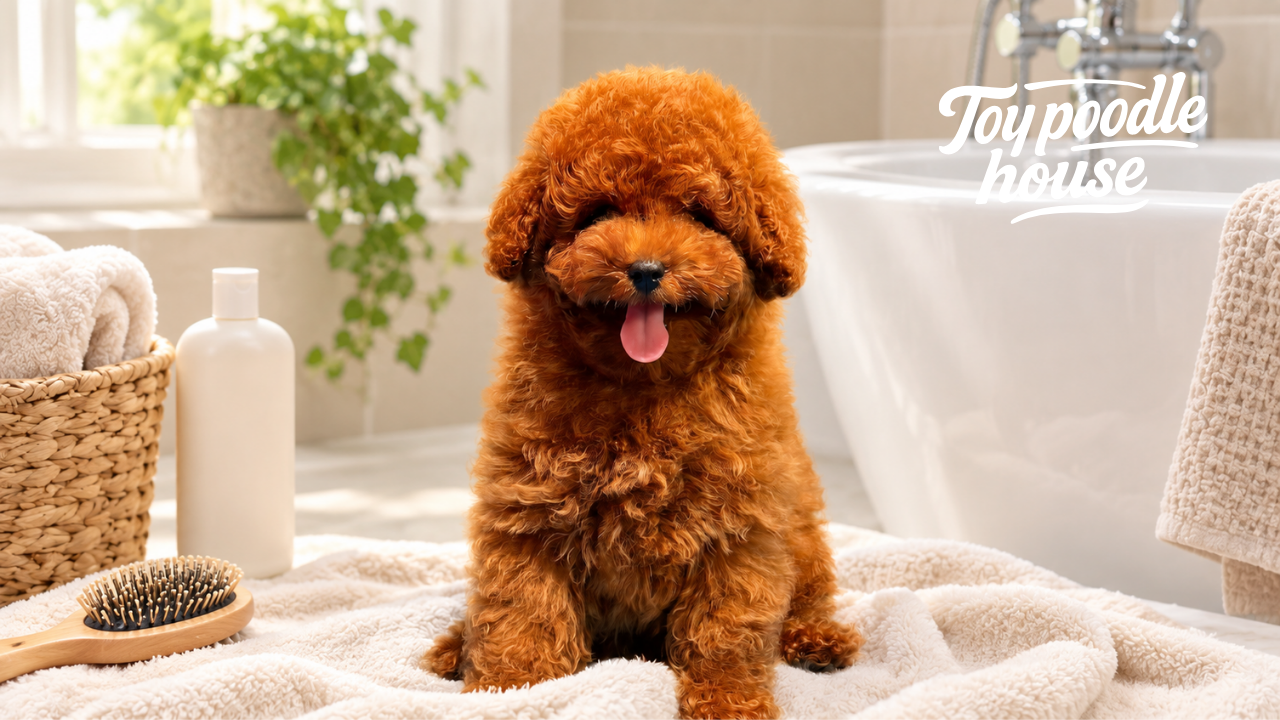
Since their hair doesn’t fall out, it continues to grow. This requires regular maintenance to prevent painful matting.
-
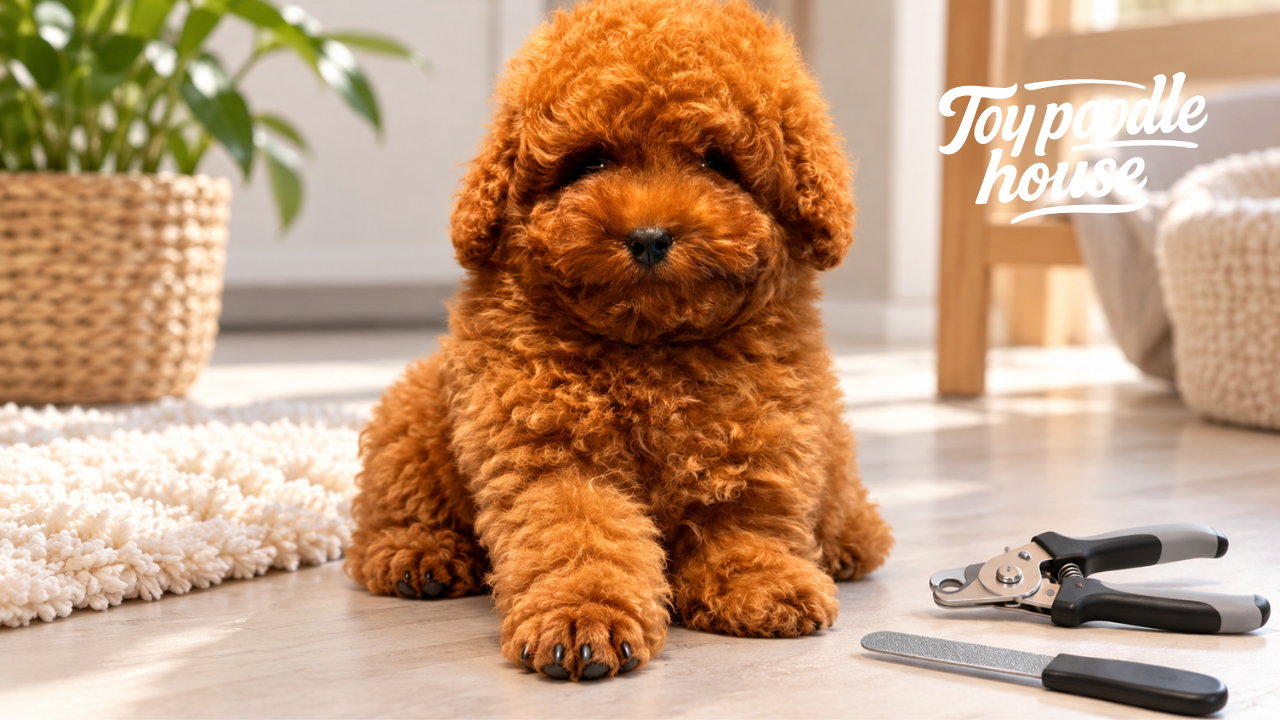
Brushing: At least 3–4 times a week with a high-quality slicker brush.
-
Professional Grooming: Every 6–8 weeks. The “Teddy Bear” cut is the most popular style for Mini Poodles, giving them that rounded, soft look that everyone loves.
2. Nutrition: Fueling a High-Performance Mind
Mini Poodles have fast metabolisms but small stomachs. They need “premium” food that is high in protein and healthy fats but low on fillers like corn or soy. Be careful with table scraps; Poodles are notorious for becoming “picky eaters” if they get too many treats from the dinner table.
3. Exercise and Mental Stimulation
A bored Poodle is a destructive Poodle. They need about 30 minutes of active walking per day, but they also need “brain games.” Puzzle feeders, hide-and-seek with toys, and clicker training sessions are essential to keep their sharp minds occupied.
4. Health Monitoring
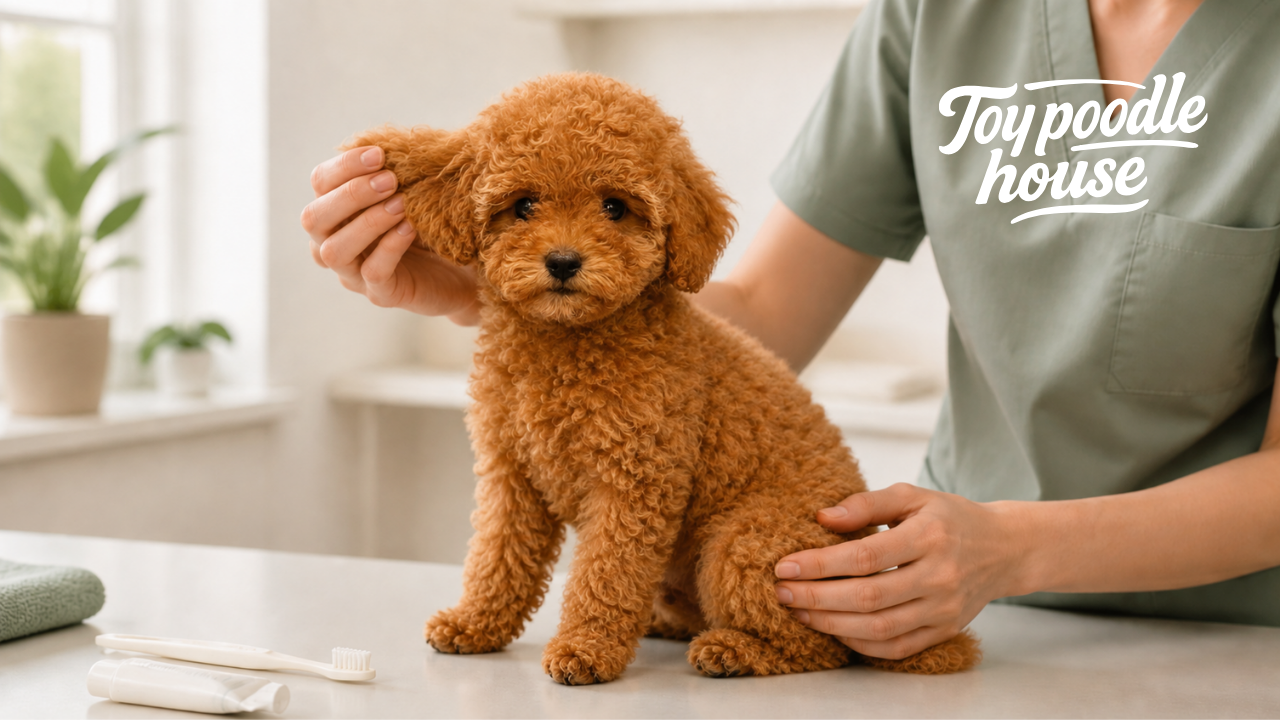
Pay close attention to their ears and teeth. Because their ears are floppy, they can trap moisture, making them prone to infections. Regular ear cleaning and daily teeth brushing (or dental chews) will significantly improve their quality of life.
Why Toy Poodle House?
We don’t just breed dogs; we create family members. At Toy Poodle House, our puppies are:
-
Raised with the best maternal care and socialized with humans from day one.
-
Up-to-date on all vaccinations and parasite treatments.
-
Sold with health guarantees and documented pedigrees.
-
Supported by our lifelong “Parent Partnership”—we are always just a phone call away for any questions you have about training or care.
Frequently Asked Questions (FAQ)
1. Are Mini Poodles good with children? Absolutely. Because they are sturdier than Toy Poodles but smaller than Standards, they are often considered the “perfect” size for kids. However, children should always be taught to handle dogs gently.
2. Do they bark a lot? Poodles are alert and will bark to let you know if someone is at the door. However, they are not “nuisance barkers.” With proper training and enough exercise, they are generally very quiet indoors.
3. Is potty training difficult? Not at all. Thanks to their high intelligence, they are among the easiest breeds to house-train. Consistency and positive reinforcement (treats and praise) are the keys to success.
4. Can they live in an apartment? Yes! As long as they get their daily walk, they are very adaptable to apartment living. Their non-shedding coat and lack of “doggy odor” make them ideal for smaller spaces.
Final Thoughts: More Than Just a Pet
Owning a Mini Poodle is like having a constant ray of sunshine in your home. Their intelligence will fascinate you, and their loyalty will touch your heart. It is a commitment that pays back in a million tail wags and a lifetime of unconditional love.
If you are ready to add this wonderful energy to your life, you are in the right place. At Toy Poodle House, we are dedicated to helping you find the perfect match. Your new best friend might be waiting for you right now, leaving their first paw prints in our nursery.
Disclaimer: This content is for informational purposes. Each puppy’s development is unique and can be influenced by genetics, environment, and care. Please consult with our experts for personalized advice.